
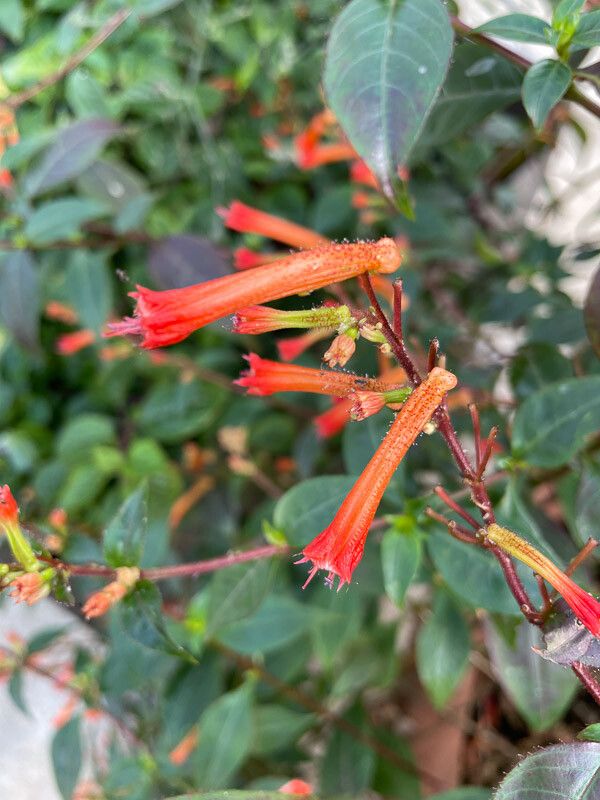
Propagating Cuphea subuligera: A Gardener’s Guide to the Firecracker Plant
Introduction:
Cuphea subuligera, commonly known as the firecracker plant, is a captivating annual or short-lived perennial boasting vibrant, tubular flowers resembling tiny firecrackers. Its prolific blooming, relatively low maintenance, and ability to attract pollinators make it a popular choice amongst gardeners. However, propagating this charming plant presents some unique challenges, making successful cultivation all the more rewarding. This article explores various propagation methods for Cuphea subuligera, weighing their effectiveness and practicality.
Seed Germination:
Currently, there are no known reliable methods for seed germination propagation of Cuphea subuligera. While some seeds may germinate sporadically under ideal conditions, the success rate is incredibly low, making this method impractical for consistent propagation. Further research into seed viability and potential pre-treatment methods is warranted.
Cuttings:
Challenges: Softwood cuttings are the most promising method, but even these can be challenging. Cuphea subuligera cuttings can be prone to rot if not provided with adequate drainage and humidity.
Practical Tips: Take 4-6 inch cuttings from softwood growth in spring or early summer. Remove lower leaves, dip in rooting hormone, and plant in a well-draining propagation mix (e.g., perlite and peat moss). Maintain high humidity using a humidity dome or plastic bag, ensuring good air circulation to prevent fungal diseases. Bottom heat can significantly improve rooting success.
Rewards: Cuttings offer a relatively reliable way to obtain genetic clones of a desirable mother plant, preserving its specific characteristics. This is particularly useful for propagating cultivars with unique flower colors or growth habit.
Division:
Challenges: Division is only feasible for established, larger plants and may even stress them substantially. Cuphea subuligera, depending on the cultivar, may not readily form substantial root systems suitable for division.
Practical Tips: Carefully dig up the parent plant in spring or autumn, gently separate it into several sections ensuring each has sufficient roots and stems, and replant immediately in well-draining soil. This method is not recommended for routine propagation.
Rewards: Division provides a quick way to increase the number of plants from an established specimen, although the low success rate makes it less suitable than cuttings in practice.
Tissue Culture:
Challenges: Tissue culture propagation of Cuphea subuligera requires specialized equipment, sterile conditions, and expertise in plant tissue culture techniques. The establishment of sterile cultures and optimization of growth media can be challenging, however, the procedure is relatively reliable once the conditions are optimized.
Practical Tips: This method requires a controlled environment with appropriate growth media and sterile techniques to prevent contamination. Using nodal segments or shoot tips as explants is recommended.
Rewards: Tissue culture offers the highest potential for large-scale propagation and disease-free plant production. It’s the most reliable method for obtaining a large number of uniform plants. This is particularly useful for commercial producers.
Conclusion:
Propagating Cuphea subuligera presents a unique set of challenges, with cuttings proving to be the most reliable and practical method for the home gardener. While seed germination and division are not ideal for consistent propagation, tissue culture presents a viable option from an commercial standpoint. Overcoming these hurdles, however, generates a profound sense of accomplishment. The vibrant burst of color that a successfully propagated firecracker plant brings to a garden is a reward well worth the effort. For aspiring propagators, patience, attention to detail, and a willingness to experiment are key to success. Remember, even with the most reliable method (cuttings), losses may occur, so patience and multiple attempts make progress more likely.