
Unraveling the Mystery: How to (and How NOT to) Propagate Dodder
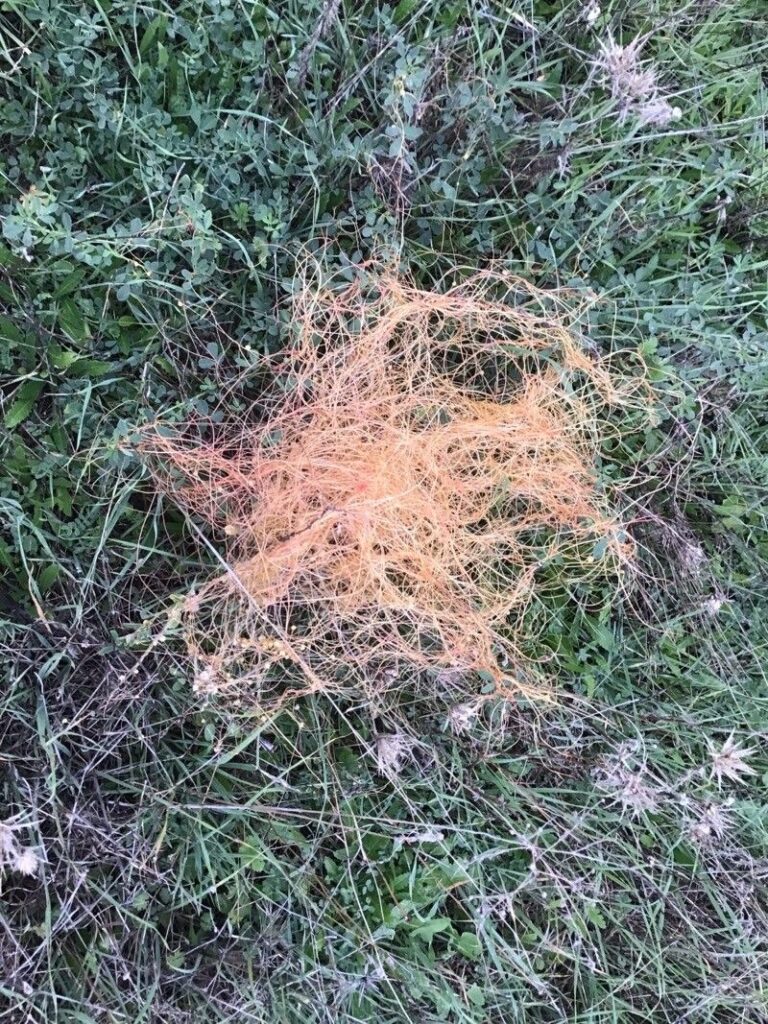
You’ve probably seen it, clinging to a beloved rose bush or smothering a vibrant tomato plant. Dodder (Cuscuta approximata), with its thread-like stems that seem to float in the air, is a fascinating but infamous plant. While its beauty is undeniable, its parasitic nature raises a contentious question: can you intentionally propagate this captivating, yet detrimental, species?
The short answer is yes, you can propagate dodder, but it’s not exactly a gardening project for the faint of heart. Unlike most plants, dodder doesn’t rely on its own roots for sustenance. Instead, it uses specialized structures called “haustoria” to tap into the vascular system of its host plant, stealing vital nutrients and water.
So, why would anyone want to propagate dodder?
While dodder can be a nuisance in gardens, it also holds a fascinating place in the world of nature. Understanding its propagation methods can help researchers study its unique biology and its impact on ecosystems. Additionally, certain species of dodder, like Cuscuta reflexa, are used in traditional medicine. While these applications are far from mainstream, the understanding of dodder’s propagation could potentially lead to valuable discoveries.
Here’s how dodder propagation works:
- Seeds are the key: Like most plants, dodder starts its life as a seed. The seeds are small and can remain dormant for years until suitable conditions arise.
- Light is essential: Dodder seeds germinate only when exposed to light. While this seems counterintuitive for a parasite, it allows the seedling to find a suitable host quickly.
- Contact is crucial: Once germinated, the dodder seedling needs to make contact with a host plant within a few days. It’s a race against time, as the seedling’s initial food reserves are limited.
- Haustoria take over: Once contact is made, the dodder seedling wraps itself around the host and develops haustoria that penetrate the host’s vascular tissue.
- New growth: The dodder then uses the stolen nutrients to grow rapidly, producing more stems that continue to spread and parasitize the host.
The ethical dilemma:
While propagating dodder in controlled environments can be useful for research purposes, it’s crucial to avoid introducing it to gardens or wild areas. This is because dodder can quickly overwhelm native plants, causing significant damage to ecosystems and impacting biodiversity.
Here’s why you should think twice before propagating dodder:
- Ecological impact: Dodder can quickly turn from a curiosity to a devastating pest, decimating entire plant communities.
- Economic consequences: Dodder infestation can lead to significant crop losses, impacting farmers and food security.
- Intentional spread is irresponsible: Even a small amount of dodder can quickly multiply and spread, causing irreversible damage.
In Conclusion:
Dodder’s unique ability to survive by stealing from others is a testament to nature’s incredible adaptability. While its propagation is a fascinating biological process, it’s crucial to remember its harmful potential. Understanding the methods of propagation helps us appreciate the complexity of this plant, but also emphasizes the importance of responsible stewardship of our ecosystems.