
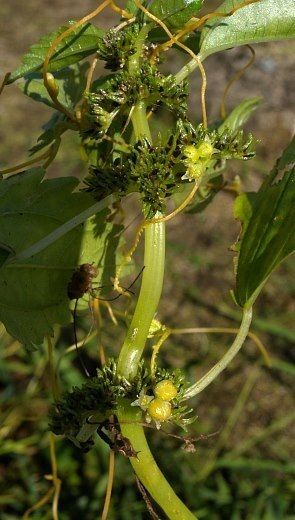
Ditch the Seeds, Embrace the Strangeness: Propagating the Parasitic Dodder (Cuscuta cephalanthi)
The plant world is full of surprises, and few are as surprising as the dodder (Cuscuta cephalanthi). Imagine a plant without leaves, without roots, and with a lifestyle more akin to a vampire than a peaceful photosynthesizer. This, my friends, is the intriguing world of the dodder, a parasitic plant that foregoes traditional roots in favor of tapping into the lifeblood of its unsuspecting host.
Before you grab your gardening gloves in horror, let’s explore the peculiar yet captivating world of dodder propagation. While some may consider it a pest, understanding its fascinating life cycle offers a unique glimpse into the extraordinary diversity of the plant kingdom.
Forget the Seeds (Mostly):
Unlike your typical garden variety, starting dodder from seed is a bit of a challenge. While they do produce seeds, dodder seedlings have a limited window to find a suitable host plant. Without a quick connection, they simply wither away. This makes intentional propagation from seed rather difficult, though not impossible for the dedicated plant enthusiast.
The Power of the Stem:
The real trick to propagating dodder lies in its seemingly fragile stems. These thread-like structures, often orange or yellowish in color, aren’t just for show. They possess a remarkable ability – they can form new parasitic attachments, essentially cloning themselves onto new hosts!
Here’s how it works:
- Harvesting: Carefully take a cutting from an established dodder plant. Choose a section of stem that is healthy and vigorous.
- Finding a Host: This is where your observation skills come into play. Dodder has preferences! C. cephalanthi, for example, favors hosts like buttonbush (Cephalanthus). Gently twine the cut stem around the stem of your chosen host.
- The Parasitic Embrace: Within a matter of days, the dodder’s stem will work its magic. It forms specialized structures called haustoria that penetrate the host’s tissue, tapping into its vascular system for water and nutrients.
- Success! Soon, you’ll witness the dodder thriving, drawing sustenance from its host and potentially producing small, clustered flowers.
A Note of Caution:
While fascinating, growing dodder should be approached with caution. Its parasitic nature can negatively impact the health of its host, especially in a garden setting. It is crucial to choose hosts wisely and monitor their health closely. Consider growing dodder in a controlled environment or designating a specific area where it can intertwine with carefully selected native plants.
Dodder: A Lesson in Adaptation:
Propagating dodder isn’t your typical gardening endeavor. It’s a journey into the bizarre and beautiful world of parasitic plants. By understanding its unique adaptations, we gain a deeper appreciation for the incredible diversity of life on Earth – even the seemingly “creepy” kind!