
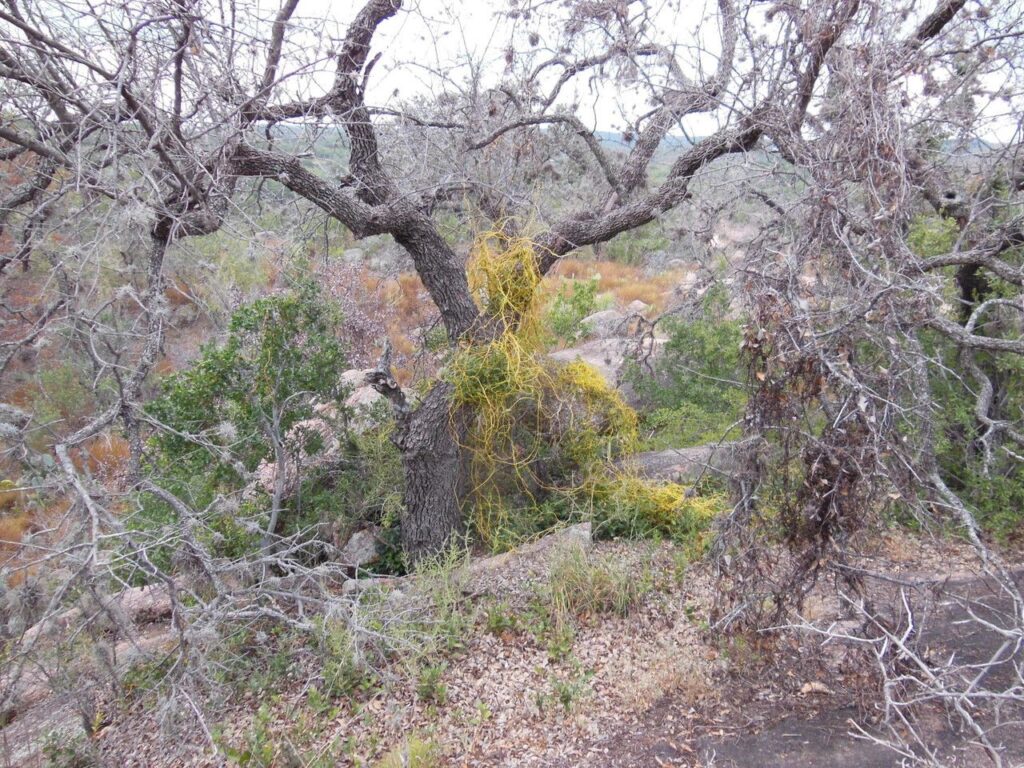
The Parasitic Plant that Needs No Soil: Propagating the Giant Dodder (Cuscuta exaltata)
The world of plants is full of wonders, and few are as strange and fascinating as the parasitic plants. Among these, the giant dodder (Cuscuta exaltata), stands out with its unusual lifestyle and intriguing propagation methods. Unlike most plants that draw nutrients from the soil, dodder species lack chlorophyll and obtain sustenance by latching onto host plants. This peculiar characteristic makes their propagation a unique and captivating process.
A Plant Without Roots:
Giant dodder starts life as a seemingly normal seed. However, things take a turn for the unusual as soon as it germinates. Instead of developing roots, the seedling produces a slender, twining stem that circulates in search of a suitable host. This initial stage is critical, as the seedling can only survive for a short period on its stored food reserves.
The Quest for a Host:
Once a potential host plant is located, the dodder seedling wastes no time in making contact. It wraps itself tightly around the host’s stem and develops specialized structures called haustoria. These haustoria penetrate the host’s tissues, tapping into its vascular system to syphon off water and nutrients.
Propagation Through Seed and Stem:
Giant dodder propagation mainly occurs through its abundant seed production. The seeds, once mature, fall to the ground and remain dormant until conditions are favorable for germination. Interestingly, this parasitic plant also exhibits vegetative propagation. Fragments of its stems, containing nodes, can develop haustoria when they come into contact with a suitable host, eventually growing into a new plant.
Cultivating the Uncultivated:
While considered a pest in agricultural settings, due to its potential to damage crops, giant dodder holds a certain fascination for botanists and plant enthusiasts. Cultivating it, however, proves challenging and requires a deep understanding of its parasitic nature.
Here’s what to keep in mind if you’re intrigued by the challenge:
- Selecting a Suitable Host: Research and choose a host plant species that can tolerate the parasitic relationship.
- Controlled Environment: Growing dodder is best done in a controlled environment like a greenhouse to prevent it from spreading to unwanted plants.
- Seed Germination: Sow dodder seeds in close proximity to the base of the host plant, ensuring they receive adequate moisture and sunlight.
- Stem Cuttings: Take cuttings from healthy dodder stems, ensuring each cutting contains at least one node. Gently press the cuttings against the host plant’s stem to encourage haustoria formation.
A Word of Caution:
Remember, while intriguing, cultivating giant dodder requires caution. Its parasitic nature means it can quickly spread and potentially harm other plants in its vicinity. Responsible cultivation practices are essential to prevent unintended consequences.
The world of parasitic plants like the giant dodder offers a glimpse into the remarkable diversity and fascinating adaptations found in nature. While their parasitic lifestyle might seem unusual, it highlights the intricate and often unexpected relationships that exist within the plant kingdom.