
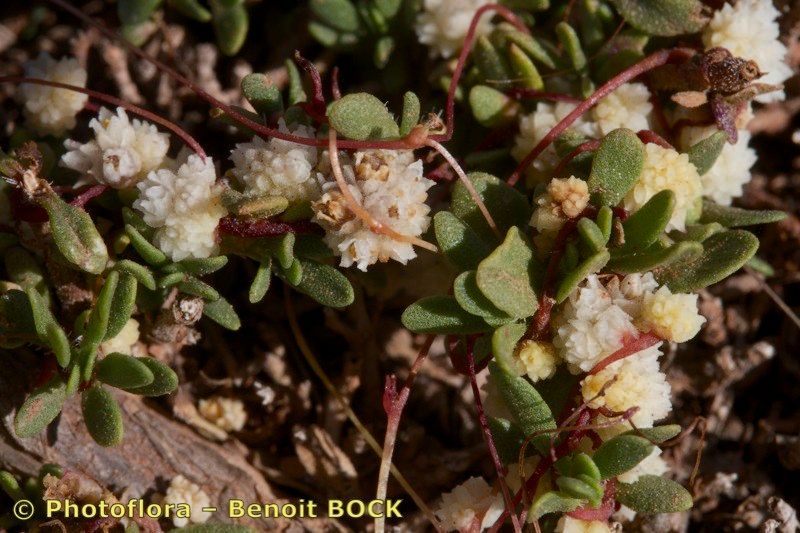
Cuscuta nivea: A Parasitic Plant That Doesn’t Play by the Rules (Propagation Insights)
Cuscuta nivea, also known as the “snow dodder,” might sound like a delicate winter flower, but don’t let the name fool you. This fascinating plant is a parasitic vine with a unique – some might even say ruthless – approach to survival. Unlike typical plants that rely on photosynthesis, Cuscuta nivea takes a shortcut, drawing nutrients directly from its host plants. This parasitic nature makes its propagation a fascinating and unusual process.
Understanding the Enemy: A Plant Without Roots or Leaves
Before diving into propagation, it’s essential to understand what makes Cuscuta nivea so unique. This parasitic plant lacks true roots and leaves, displaying a tangle of yellow or orange thread-like stems instead. It survives by attaching itself to host plants using structures called haustoria, which penetrate the host’s tissues and tap into their vascular system, siphoning off water and nutrients.
Propagation: An Exercise in Controlled Parasitism
Propagating Cuscuta nivea is a delicate dance between providing the right conditions and managing its parasitic tendencies. Here’s a glimpse into the process:
Seed Collection and Storage: Cuscuta nivea produces small seeds that can remain dormant for several years. Collect seeds from mature capsules and store them in a cool, dry place until ready for sowing.
Finding the Right Host: This is where things get interesting. Cuscuta nivea is not picky about its hosts and can parasitize a wide range of plants. However, for successful propagation, it’s best to choose vigorous, fast-growing species that can withstand some degree of parasitism.
Sowing and Attachment: Sow the seeds near the base of the selected host plant. The seeds will germinate, sending out thread-like stems that will circle in search of a host. Once they find a suitable target, they will attach using their specialized haustoria.
- Managing the Parasite: While you want the Cuscuta nivea to thrive, it’s essential to prevent it from overwhelming the host plant. Prune the parasitic vines regularly, keeping them in check and allowing the host plant to continue growing.
Ethical Considerations:
Due to its parasitic nature, cultivating Cuscuta nivea comes with ethical considerations. It’s crucial to ensure that its presence does not harm valuable plants in your garden or surrounding areas.
Beyond Propagation: The Importance of Understanding Parasitic Plants
While propagating Cuscuta nivea can be a fascinating challenge, it also offers a window into the intricate world of plant interactions. Studying parasitic plants like the “snow dodder” can provide valuable insights into plant physiology, ecology, and even the development of new agricultural strategies.
So, while Cuscuta nivea might not be your typical garden variety flower, its unique lifestyle and propagation methods offer a captivating glimpse into the hidden complexities of the plant kingdom.