
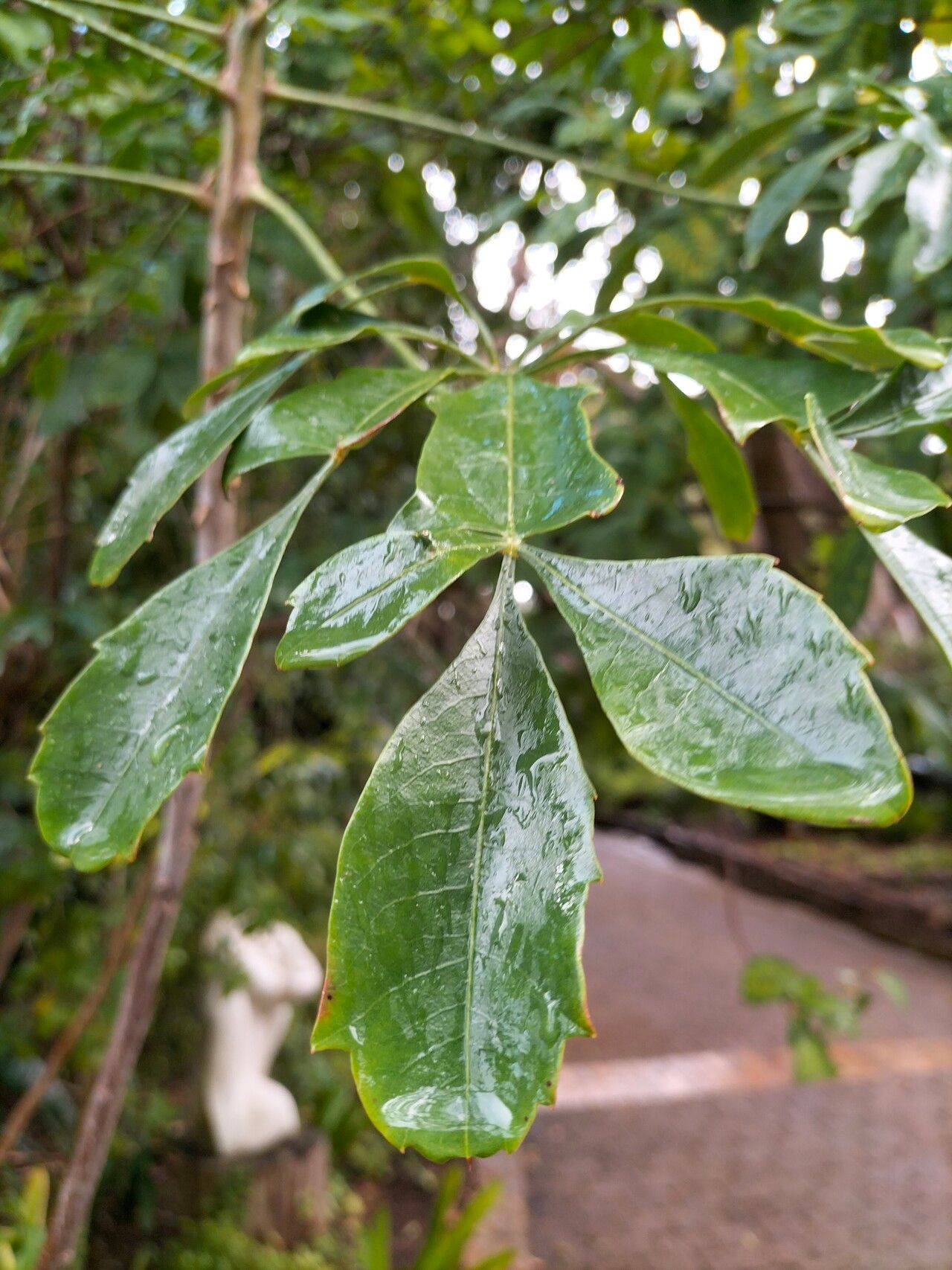
Taming the Mountain Cabbage: A Guide to Propagating Cussonia nicholsonii
Cussonia nicholsonii, more affectionately known as the Mountain Cabbage Tree, is a botanical marvel hailing from the Drakensberg Mountains of South Africa. This striking succulent-like tree, with its architectural form and unusual foliage, is quickly becoming a favorite amongst gardeners seeking unique statement pieces. But how do you go about adding this beauty to your landscape? Let’s dive into the world of Cussonia nicholsonii propagation.
Two Paths to Propagate:
The journey to a thriving Mountain Cabbage begins with propagation, and thankfully, you have two primary methods at your disposal:
1. Seed Propagation: A Test of Patience
The Process: Collect fresh seeds from mature seedpods (they resemble small, brown pebbles) in the fall. Sow them in a well-draining seed-raising mix, covering them lightly with soil. Keep the mix consistently moist, and provide a warm, bright location out of direct sunlight.
Timeline: Germination can be slow and erratic, taking anywhere from a few weeks to several months. Patience is key here!
Pros: Seed propagation is an economical way to grow multiple plants, and it allows you to witness the entire life cycle of your Mountain Cabbage.
- Cons: The slow germination rate can be discouraging, and you’ll need a fair amount of patience. Seed-grown plants also tend to take longer to develop their characteristic features.
2. Cuttings: A Faster Route to Success
The Process: In the spring, take semi-hardwood cuttings (about 4-6 inches long) from healthy, mature branches. Remove the lower leaves, leaving only a few at the top. Dip the cut end in rooting hormone and plant the cuttings in a well-draining rooting mix. Maintain a warm, humid environment and keep the soil consistently moist.
Timeline: Cuttings usually root within 4-6 weeks, offering a quicker turnaround time than seeds.
Pros: This method offers a higher success rate and allows you to replicate the characteristics of the parent plant.
- Cons: Finding viable cuttings might be challenging, and you’ll be working with a limited number of plants.
Nurturing Your Newly Propagated Mountain Cabbage:
Once your seeds have germinated or your cuttings have rooted, it’s time to shift your focus to care:
- Light: Provide your young Mountain Cabbage with bright, indirect light. Avoid direct sunlight, which can scorch the delicate leaves.
- Water: Allow the soil to dry out slightly between waterings, taking care not to overwater. These plants are somewhat drought-tolerant once established.
- Soil & Fertilizer: Use a well-draining potting mix and fertilize lightly during the growing season (spring and summer).
Reaping the Rewards:
Successfully propagating your own Cussonia nicholsonii is a deeply rewarding experience. You’ve not only mastered the art of multiplying this unique plant, but you’ve also invited a touch of the Drakensberg Mountains into your own garden. So, embrace the challenge, put these propagation tips into practice, and revel in the satisfaction of nurturing a stunning Mountain Cabbage of your very own!