
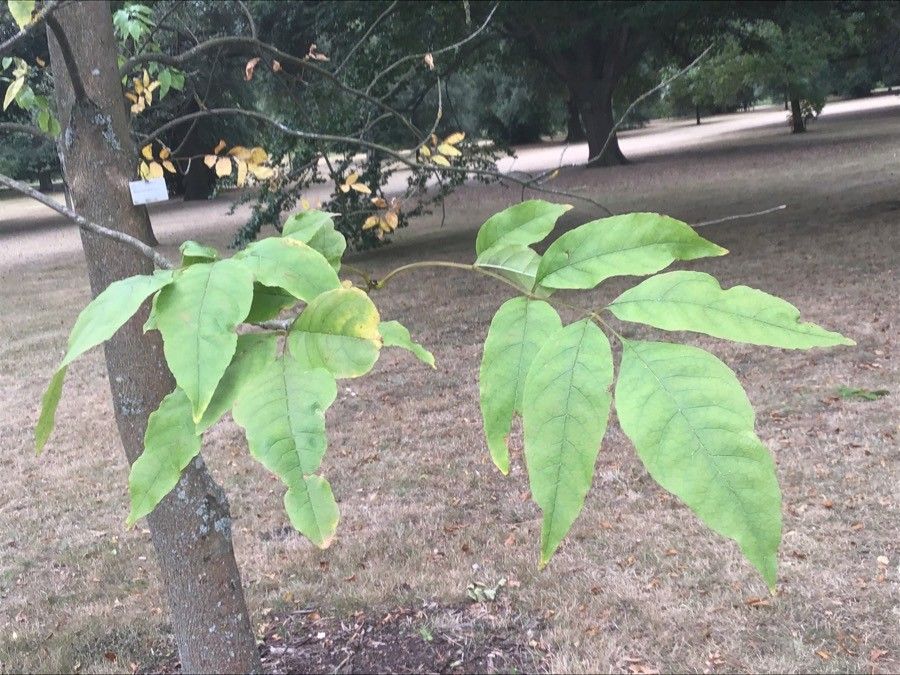
Deep Roots, Deeper Knowledge: Propagating the Mighty Pumpkin Ash (Fraxinus profunda)
The Pumpkin Ash (Fraxinus profunda), a majestic denizen of wetlands and floodplains, is sadly facing an uncertain future due to the Emerald Ash Borer’s devastating impact. However, there’s hope. Understanding how to propagate this magnificent tree is crucial for its conservation and potential repopulation efforts. Whether you’re a seasoned arborist or a budding green thumb, join us as we delve into the fascinating world of propagating Fraxinus profunda.
Seeds: Nature’s Blueprint
Propagating Pumpkin Ash from seed offers a rewarding (though slightly more challenging) journey. Here’s what you need to know:
- Seed Collection: Autumn is harvest time! Look for mature, winged seeds called “samaras.” These hang in clusters and have a distinct flattened, paddle-like shape.
- Stratification: Patience is key here. Pumpkin Ash seeds require a period of cold, moist storage (stratification) to break dormancy. Place the seeds in a moist mix of peat moss and sand, seal them in a plastic bag, and refrigerate for 90-120 days.
- Sowing: Once spring arrives, it’s time to wake up those seeds! Sow them in a seed tray filled with a well-draining potting mix. Plant the seeds about half an inch deep and water gently.
- Care and Transplanting: Keep the soil consistently moist but not waterlogged. Seedlings will emerge in a few weeks. Once they reach a manageable size (about 6 inches), they can be transplanted into individual pots or directly into the ground.
Cuttings: A Faster Path
For those seeking quicker results, propagating from cuttings offers a viable alternative:
- Timing is Everything: Collect hardwood cuttings during the dormant season, ideally in late fall or early winter. Choose healthy, one-year-old shoots.
- Preparing the Cuttings: Each cutting should be around 6-8 inches long with a node at the top and bottom. Make a clean cut below the bottom node. You can dip the cut end in rooting hormone to increase the chances of success.
- Planting and Care: Stick the cuttings into a well-draining rooting medium, such as a mix of perlite and peat moss. Keep the cuttings consistently moist and in a humid environment.
- Transplanting: Once roots develop, usually within a few months, you can transplant the rooted cuttings into individual pots or directly into the ground.
Key Considerations for Success:
- Soil and Sunlight: Pumpkin Ash thrives in full sun to partial shade and prefers moist, well-drained soils.
- Water Wisely: This species is adapted to wet conditions but avoid overwatering, which can lead to root rot.
- Patience is a Virtue: Trees take time to establish. Be patient and provide consistent care.
By understanding the unique propagation needs of Fraxinus profunda, we can actively participate in its conservation and ensure that this magnificent tree continues to grace our landscapes for generations to come. So, roll up your sleeves, get your hands dirty, and embark on the rewarding journey of propagating the mighty Pumpkin Ash!