
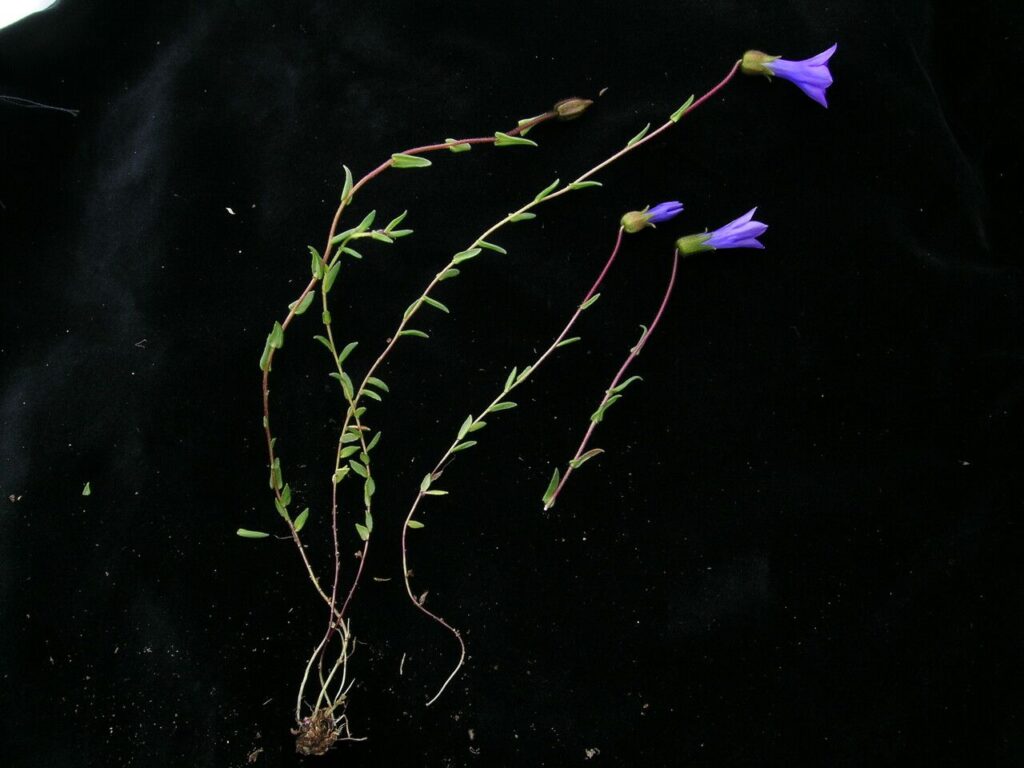
Unveiling the Secrets of Cyananthus Pedunculatus Propagation: A Guide to Growing This Himalayan Gem
The Cyananthus pedunculatus, fondly nicknamed the “trailing bellflower,” is a sight to behold. With its sky-blue, bell-shaped blooms cascading over rock gardens or draping elegantly from container edges, this Himalayan native captivates gardeners with its delicate charm. But cultivating this beauty from scratch is often shrouded in mystery.
Fear not, plant enthusiasts! This guide will unveil the secrets of Cyananthus pedunculatus propagation, empowering you to expand your collection and share the joy of this exquisite flower.
Understanding the Fundamentals:
Before diving into the methods, it’s essential to grasp the plant’s preferences. Cyananthus pedunculatus thrives in cool, well-drained soil and partial shade, mimicking its natural habitat in the high altitudes of the Himalayas. This understanding is key to successful propagation.
Methods for Success:
There are two primary ways to propagate Cyananthus pedunculatus:
1. Seed Sowing:
- Timing is Key: Sow seeds in late winter or early spring, ideally 6-8 weeks before the last frost.
- Sowing the Seeds: Use a well-draining seed starting mix and sprinkle the fine seeds on the surface. Do not bury them; instead, gently press them down to ensure good contact with the soil.
- Light and Moisture: Keep the soil consistently moist but not waterlogged. Place the seed tray in a bright location, out of direct sunlight.
- Germination Patience: Be patient, as germination can take anywhere from a few weeks to a couple of months.
- Transplanting: Once seedlings develop a few sets of true leaves, carefully transplant them into individual pots or your prepared garden bed after the danger of frost has passed.
2. Taking Cuttings:
- Ideal Timing: Take cuttings in late spring or early summer from healthy, non-flowering stems.
- Preparing the Cuttings: Using a sharp, sterile knife or pruning shears, make a clean cut just below a leaf node. Remove the lower leaves, leaving only a few at the top.
- Encouraging Root Development: Dip the cut end in rooting hormone (optional but beneficial) and then plant the cutting in a pot filled with a well-draining rooting mix.
- Creating a Humid Environment: Cover the pot with a plastic bag or use a humidity dome to create a warm, humid environment for optimal rooting.
- Monitoring Progress: Keep the soil consistently moist and check for root development after a few weeks. Gently tugging on the cutting should reveal if roots have formed.
- Transplanting: Once roots are established, carefully transplant the rooted cuttings into individual pots or your desired garden location.
Essential Tips for Success:
- Well-Draining Soil: Regardless of the propagation method, well-draining soil is paramount to prevent root rot.
- Avoid Overwatering: Water thoroughly when the soil feels dry to the touch. Err on the side of slightly drier conditions.
- Provide Adequate Sunlight: While Cyananthus pedunculatus prefers partial shade, ensure it receives at least 4-6 hours of indirect sunlight daily.
Propagating Cyananthus pedunculatus might require a touch of patience and care, but the reward of seeing this enchanting flower grace your garden is well worth the effort. With a little knowledge and dedication, you can successfully propagate this Himalayan gem and share its beauty for seasons to come.