
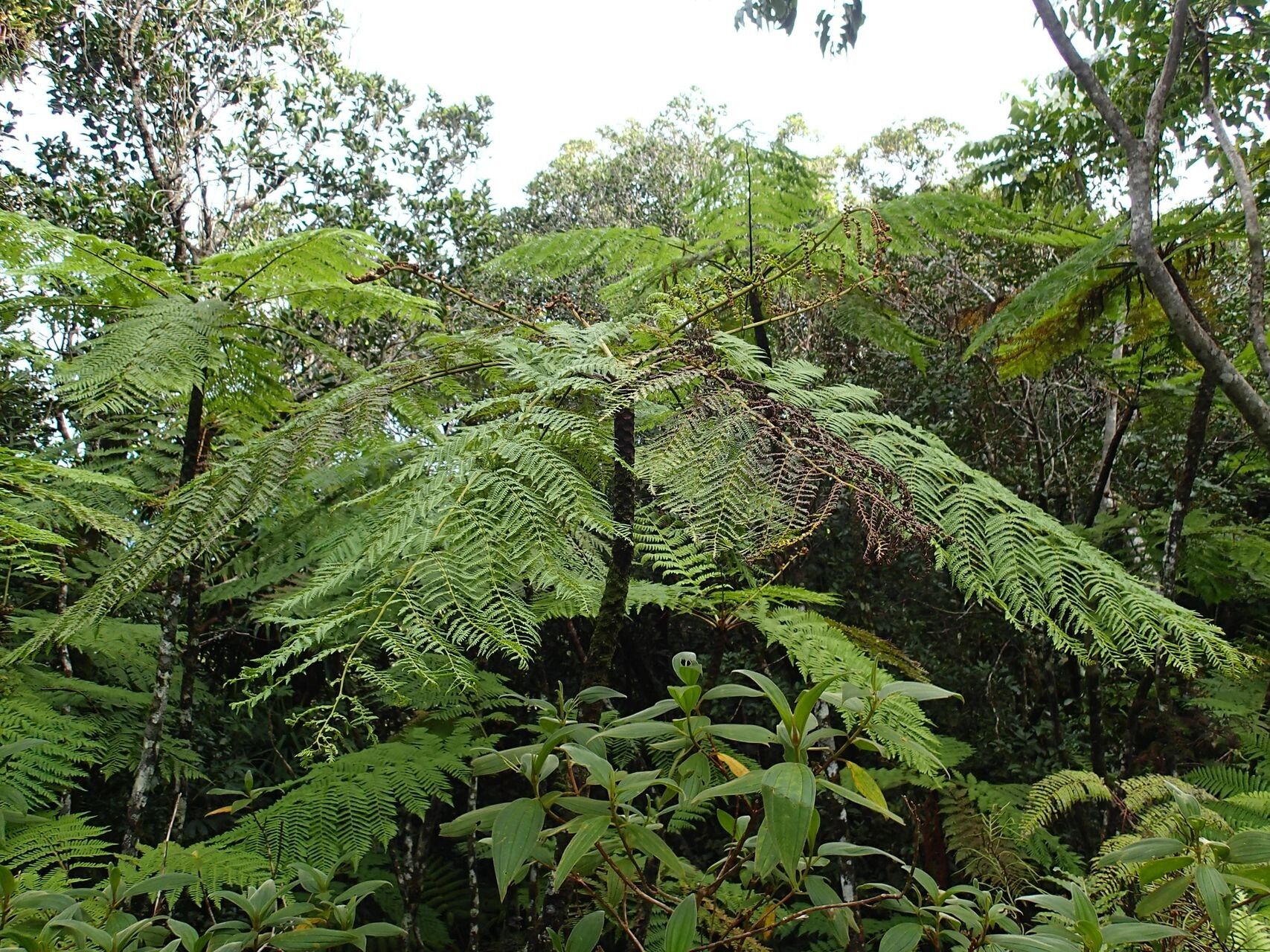
Unveiling the Secrets of Scaly Tree Fern Propagation: A Guide to Cyathea cicatricosa
The Cyathea cicatricosa, more commonly known as the Scaly Tree Fern, is an awe-inspiring botanical giant. Native to the cloud forests of New Guinea, this fern, with its majestic fronds and intriguing “scaly” trunk, can transform any space into a prehistoric paradise. But cultivating this ancient beauty might seem daunting for fern enthusiasts. Fear not, for we’re about to unravel the mysteries of Cyathea cicatricosa propagation.
Understanding the Challenges (and Triumphs) of Fern Reproduction:
Unlike many plants that readily reproduce from seeds, ferns propagate through spores – tiny, dust-like particles found on the underside of their fronds. While this might seem intimidating, understanding the life cycle of a fern is key to successful propagation.
Two Routes to Scaly Tree Fern Success:
1. Spore Propagation: A Journey of Patience and Precision
- Gathering Spores: When your Cyathea cicatricosa matures, it will develop small, brown structures called “sori” on the underside of its fronds. These contain the spores. Once the sori turn a deep brown, carefully remove a frond section and place it in a paper bag to dry. In a few days, the spores will release as a fine powder.
- Creating the Ideal Environment: Spores require a sterile, humid environment to germinate. Fill a seed tray with a mixture of peat moss and perlite and sterilize it by baking it in the oven at a low temperature. Moisten the mixture and evenly sprinkle the spores on the surface, avoiding overcrowding.
- Nurturing the Gametophytes: Cover the tray with a clear lid or plastic wrap to maintain humidity and place it in a warm, brightly lit location, out of direct sunlight. In a few weeks, you’ll notice tiny, heart-shaped structures called “gametophytes.” These are not yet ferns but the precursors needed for fertilization. Mist regularly and keep the environment humid.
- From Gametophyte to Sporophyte: With consistent moisture and light, the gametophytes will fertilize and develop into sporophytes – the actual fern plants. This process can take several weeks. Once the sporophytes are large enough to handle, carefully transplant them into individual pots filled with a well-draining potting mix.
2. Offsets: A Quicker Path to a New Fern
- Identifying Offsets: Cyathea cicatricosa sometimes produces “offsets” or “pups” at the base of the main trunk. These are essentially clones of the parent plant.
- Separating the Offset: Carefully remove the offset from the main plant using a clean, sharp knife, ensuring a good portion of roots are attached.
- Potting the Offset: Plant the offset in a pot slightly larger than its root system using a well-draining potting mix. Keep the soil consistently moist and provide indirect sunlight.
Providing the Right Care for Your New Fern
Propagating Cyathea cicatricosa is only half the journey. To ensure its thriving growth, remember these key points:
- Humidity is Key: Mist your fern regularly and provide a humid environment, especially during dry spells.
- Bright, Indirect Light: Place your fern in a location with bright, indirect light. Avoid direct sunlight, which can scorch the delicate fronds.
- Well-draining Soil and Consistent Moisture: Plant your fern in a well-draining potting mix and maintain consistent moisture without overwatering.
With patience, dedication, and a little know-how, you can successfully propagate the majestic Cyathea cicatricosa and enjoy its prehistoric beauty for years to come. This rewarding experience allows you to not only cultivate a stunning fern but also participate in the fascinating life cycle of these ancient plants.