
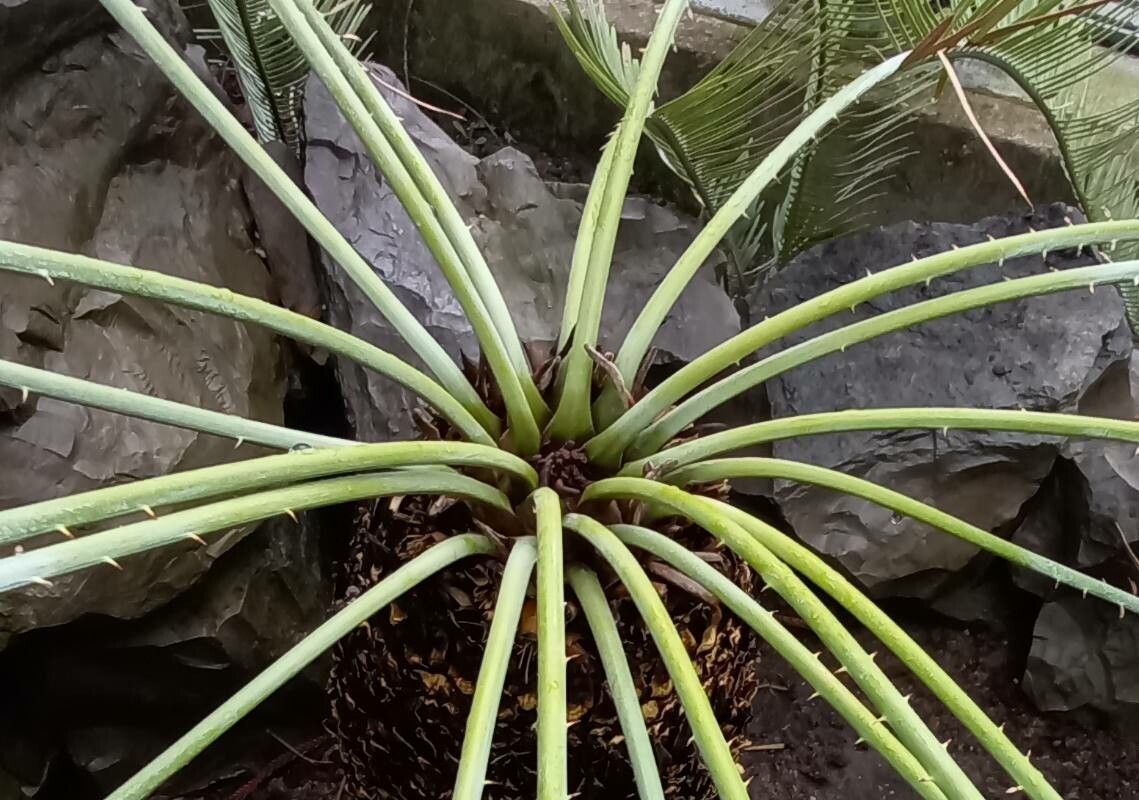
Propagating the Cairns Cycad (Cycas cairnsiana): A Gardener’s Guide
Introduction
Cycas cairnsiana, commonly known as the Cairns Cycad, is a striking cycad species native to northeastern Queensland, Australia. Characterized by its robust, erect trunk and striking, dark green, pinnate leaves, it possesses a unique architectural presence that makes it highly sought after by gardeners specializing in cycads and drought-tolerant landscaping. Its relatively slow growth adds to its allure, contributing to a sense of permanence in the garden. While its propagation presents certain challenges, the rewards of successfully cultivating this majestic plant are well worth the effort. The slow growth presents a unique challenge, however, making propagation methods crucial for wider distribution and conservation.
Seed Germination
Seed germination is a viable, albeit challenging, method for propagating Cycas cairnsiana. The primary challenge lies in obtaining viable seeds, as seed viability can be significantly affected by factors like seed age and collection methods. Furthermore, the seeds often exhibit dormancy.
Challenges: Low germination rates, dormancy, susceptibility to fungal infections.
Practical Tips:
- Seed Collection: Collect seeds only from healthy, mature plants after they have fully ripened and turned a brownish color.
- Pre-treatment (Stratification): Seeds benefit from a period of stratification, mimicking natural conditions. This involves soaking the seeds in water for 24-48 hours, followed by a period of cold stratification (e.g., 2-3 months in a moist medium at 4°C).
- Sowing: Sow seeds in a well-draining potting mix (e.g., a blend of perlite, vermiculite, and potting soil) at a shallow depth. Keep the mix consistently moist but not waterlogged. Maintain warm temperatures (25-30°C).
- Protection: Protect seedlings from direct sunlight and fungal diseases by ensuring good air circulation and using a fungicide if necessary.
Rewards: High genetic diversity in the resulting plants, potential for large-scale propagation.
Cuttings
Currently, there are no known reliable methods for propagation of Cycas cairnsiana via cuttings. Cycads generally don’t readily propagate from stem or leaf cuttings.
Division
Division of the offshoots or suckers at the base of the trunk is a possible method but is limited by the infrequent production of these offshoots.
Challenges: Infrequent sucker production, risk of damaging the mother plant, slow growth of divisions.
Practical Tips: If suckers are present, carefully separate them from the mother plant, ensuring each division has a substantial root system. Plant the divisions in well-draining soil, keeping them shielded from direct sun until established.
Rewards: Relatively faster establishment compared to seed propagation, preservation of maternal characteristics.
Tissue Culture
Tissue culture offers a promising pathway for the propagation of Cycas cairnsiana, potentially allowing for rapid multiplication of desirable genotypes and contributing to conservation efforts. However, the establishment of reliable protocols specifically for Cycas cairnsiana may still require further research and development.
Challenges: Specialized equipment and laboratory conditions are necessary, high initial investment costs and the need for specialized expertise.
Practical Tips: This method is best left to experienced tissue culture laboratories with experience in cycad propagation.
Rewards: Potential for large-scale, rapid propagation. Production of disease-free plants. Conservation of endangered genotypes.
Conclusion
Propagating Cycas cairnsiana presents unique challenges across all methods, from the low germination rates of seeds to the limited availability of suckers for division and the specialized requirements for tissue culture. However, the rewards of successfully cultivating this magnificent cycad are substantial. The slow growth itself fosters a deeper appreciation for the plant’s resilience and longevity. Whether through the patience required for seed germination, the careful technique of division, or the technological advancement of tissue culture, each successful propagation contributes to the conservation and enjoyment of this remarkable species. While the journey may be challenging, the accomplishment of cultivating this iconic plant provides a unique and deeply satisfying experience for the dedicated gardener. Aspiring propagators should research thoroughly, choose the method best suited to their resources and expertise, and appreciate that success may require time and persistence.