
Propagating Desmanthus virgatus: A Guide to Cultivating the Sprawling Wonder
Introduction:
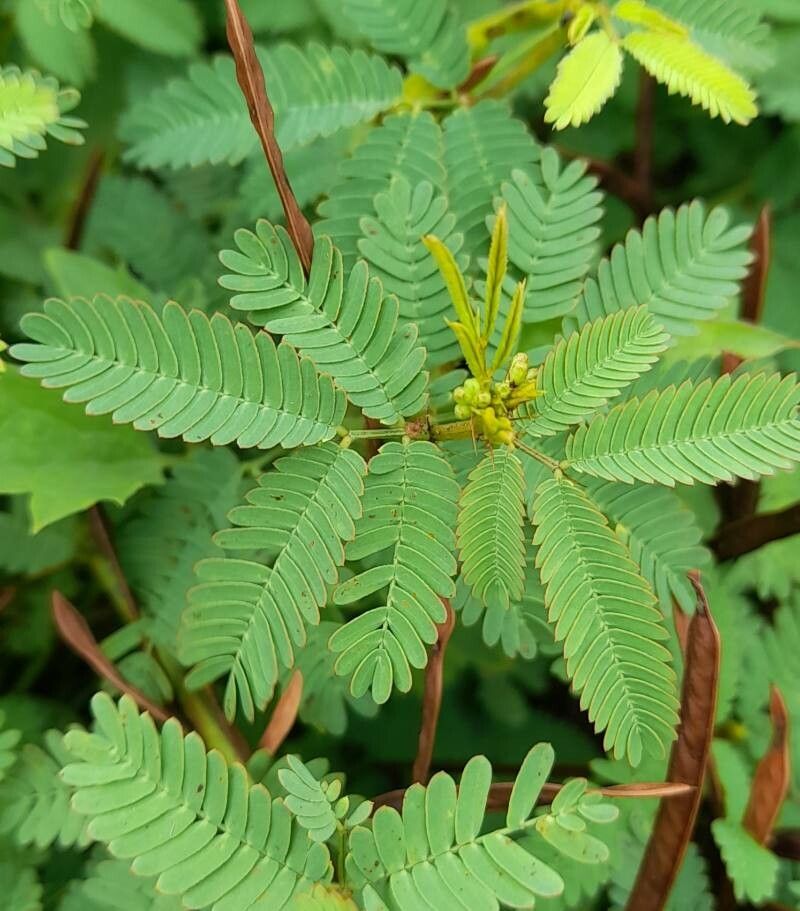
Desmanthus virgatus, also known as the sprawling desmanthus or, less commonly, the winged tick trefoil, is a charming perennial legume admired for its delicate, fern-like foliage and attractive, puffball-like seed pods. Its sprawling habit makes it an excellent groundcover or filler plant, adding textural interest to gardens. While not as widely known as some other ornamentals, its adaptability and ease of propagation (through certain methods) have made it increasingly popular among gardeners seeking low-maintenance yet visually striking additions to their landscapes. Its unique propagation characteristics, however, present certain challenges and rewards worthy of exploration.
Seed Germination:
Seed germination is a viable method for propagating Desmanthus virgatus, though it presents some challenges. The seeds possess a hard seed coat that can inhibit water uptake and germination.
Challenges: Hard seed coat preventing germination.
Practical Tips: Scarification is crucial. This can be achieved through mechanical means (nicking or sanding the seed coat) or chemical methods (using concentrated sulfuric acid for a short period – always exercise extreme caution when handling sulfuric acid). Soaking the seeds in warm water for 24-48 hours prior to sowing can also improve germination rates. Sow seeds in well-draining soil mix, preferably a seed starting mix, and maintain consistently moist but not soggy conditions. Warm temperatures (around 70-80°F/21-27°C) are beneficial.
Rewards: Seed propagation offers significant genetic diversity, allowing for a wider range of plant characteristics and improved adaptability. It also provides the potential for large-scale propagation, making it a cost-effective method for establishing large plantings.
Cuttings:
Cuttings propagation is a relatively straightforward method for Desmanthus virgatus.
Challenges: While relatively easy, success hinges on maintaining optimal humidity and warmth to prevent the cuttings from drying out before rooting occurs.
Practical Tips: Take semi-hardwood cuttings (partially mature stems) in late spring or early summer. Use a rooting hormone to enhance root development. Plant cuttings in a well-draining mix, ideally a mix containing perlite or vermiculite to improve aeration. Maintain high humidity by covering the cuttings with a clear plastic dome or bag. Consistent warmth (70-75°F/21-24°C) is also crucial.
Rewards: Cuttings provide a quicker method of propagation compared to seeds, and genetically identical plants to the parent plant are produced.
Division:
Division of established plants is another successful propagation method for Desmanthus virgatus.
Challenges: This method is best suited for larger, well-established plants. Care must be taken to avoid damaging the root system during division.
Practical Tips: Divide the plant during its dormant period (late fall or early spring). Ensure each division has a healthy portion of roots and several shoots. Replant divisions immediately in well-prepared soil, providing adequate watering to help them establish.
Rewards: Division is a relatively simple and fast method, producing instant flowering plants that are readily able to establish themselves in the new environment.
Tissue Culture:
Currently, there are no widely available and reliably documented protocols for tissue culture propagation of Desmanthus virgatus. Further research is needed to establish effective methods.
Conclusion:
Propagating Desmanthus virgatus presents a range of challenges and rewards depending on the chosen method. Seed germination, while viable, necessitates scarification to overcome the hard seed coat. Cuttings offer a faster route to propagation, prioritizing humidity control, while division provides a simple yet plant size-dependent method. Tissue culture remains an area needing further exploration. The unique satisfaction of successfully cultivating this plant stems from overcoming these hurdles. The visual reward of a flourishing patch of Desmanthus virgatus, whether achieved through patient seed germination or the quick success of cuttings, is a testament to the grower’s dedication. Don’t be discouraged by the initial challenges; persevere, experiment with different techniques, and enjoy the journey of bringing this attractive legume into your garden.