
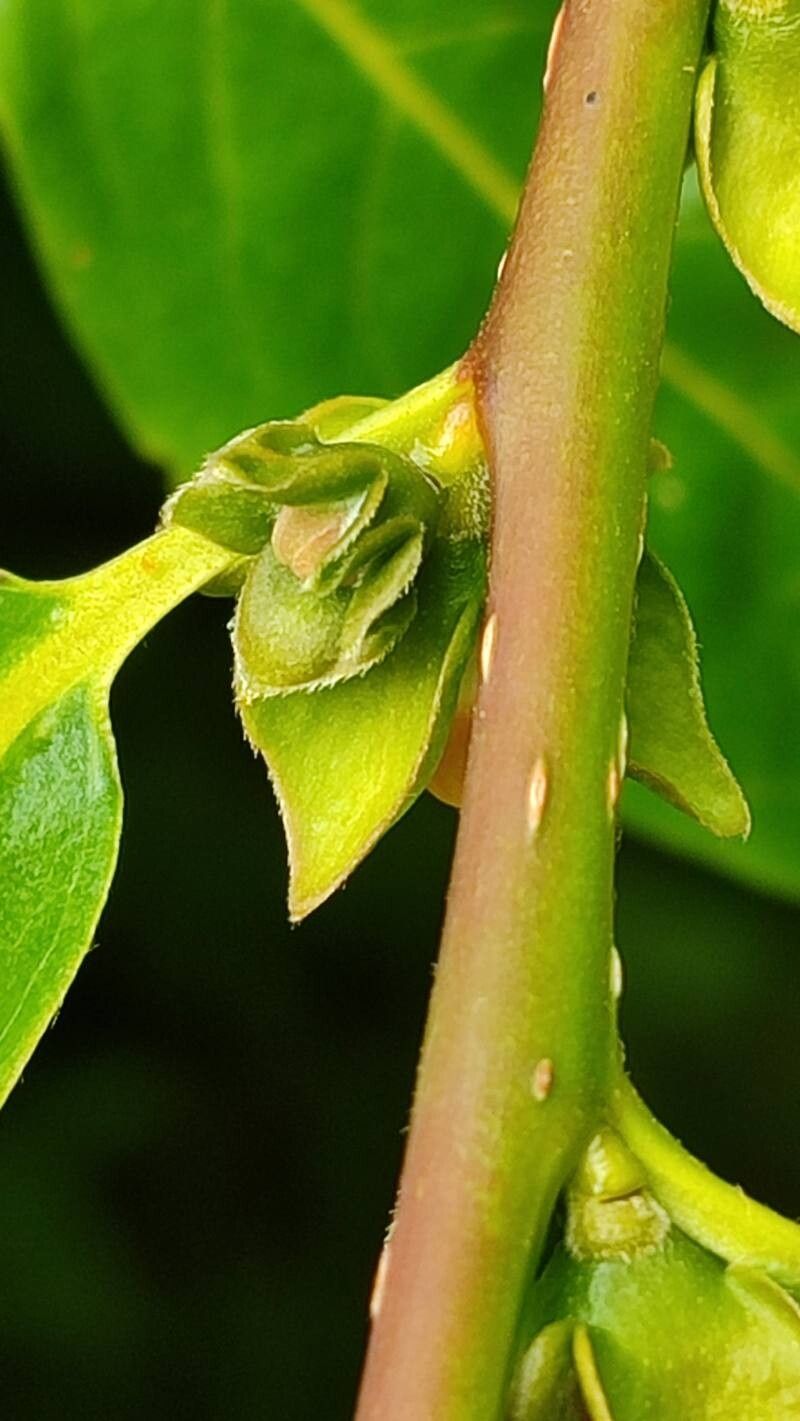
Propagating Diospyros japonica: Challenges and Rewards of Cultivating the Japanese Persimmon
Introduction:
Diospyros japonica, commonly known as the Japanese persimmon or kurogami kaki, is a captivating small tree or large shrub prized for its attractive foliage, often displaying vibrant autumn colours, and its edible, albeit astringent, fruit. While not as widely cultivated as its larger fruiting relatives, its ornamental value and unique characteristics make it a desirable addition to many gardens. Its propagation, however, presents several challenges, making success all the more rewarding. This article explores various methods of propagating Diospyros japonica, weighing their viability and effectiveness.
Seed Germination:
Currently, there are no known reliable methods for seed germination propagation of Diospyros japonica. While seeds may be produced, germination rates are notoriously low and inconsistent, even under ideal conditions. The long dormancy period and the need for specific environmental cues often prove insurmountable obstacles for home gardeners.
Cuttings:
Cuttings offer a more reliable method for propagating Diospyros japonica than seed germination. However, success is not guaranteed and requires specific techniques.
Challenges: Rooting cuttings of Diospyros japonica can be difficult. They are prone to fungal infections and slow to root. The use of rooting hormones is highly recommended.
Tips: Semi-hardwood cuttings taken in late summer or early autumn, using a sharp, clean blade, are preferred. The cuttings should be approximately 4-6 inches long, with the lower leaves removed. Dip the cut ends in a rooting hormone solution before planting in a well-draining propagation mix, such as a perlite and peat moss blend. Maintain high humidity using a propagator or plastic bag. Rooting may take several months.
Rewards: Cuttings produce genetically identical plants to the parent, preserving desirable traits. This method is ideal for smaller-scale propagation.
Division:
Division is generally not a practical method for propagating Diospyros japonica. The plant’s root system is not easily divisible, and division often results in the death of the divided sections.
Tissue Culture:
Tissue culture presents a potentially effective method for mass propagation of Diospyros japonica.
Challenges: Establishing a sterile tissue culture laboratory and obtaining the necessary expertise can be expensive and time-consuming. Specialized media and protocols are needed for successful propagation.
Tips: Sterile techniques are crucial to prevent contamination. The use of appropriate plant growth regulators is essential for shoot multiplication and root induction. The process requires a skilled technician with experience in plant tissue culture.
Rewards: Tissue culture allows for large-scale, rapid propagation of genetically identical plants, making it ideal for commercial production or conservation efforts.
Conclusion:
Propagating Diospyros japonica presents several challenges, particularly with seed germination and division. Cuttings offer a more viable option for home gardeners, though success requires patience and attention to detail. Tissue culture represents the most efficient method for large-scale propagation but demands specialist knowledge and resources.
The difficulties inherent in cultivating this species only heighten the sense of accomplishment derived from successfully propagating it. The vibrant autumn colors and unique charm of this Japanese persimmon reward the persistent gardener. For those venturing into the world of Diospyros japonica propagation, remember patience, meticulousness, and a willingness to experiment are key to success. Even partial success – whether a single rooted cutting or a thriving tissue culture – provides a deep sense of satisfaction, demonstrating the gardener’s skill and dedication.