
Unleash the Power of Sago Palms: A Guide to Propagation
The majestic Sago Palm (Cycas revoluta) is a popular choice for gardeners seeking a touch of tropical elegance. But did you know that you can easily expand your Sago Palm collection by propagating new plants from existing ones? It’s a rewarding process that allows you to share the beauty of these ancient plants with others or simply add more greenery to your own garden.
This guide delves into the two main methods of Sago Palm propagation: seed propagation and offshoot propagation. We’ll explore the pros and cons of each method and provide step-by-step instructions to help you achieve successful propagation.
Seed Propagation: Patience is Key
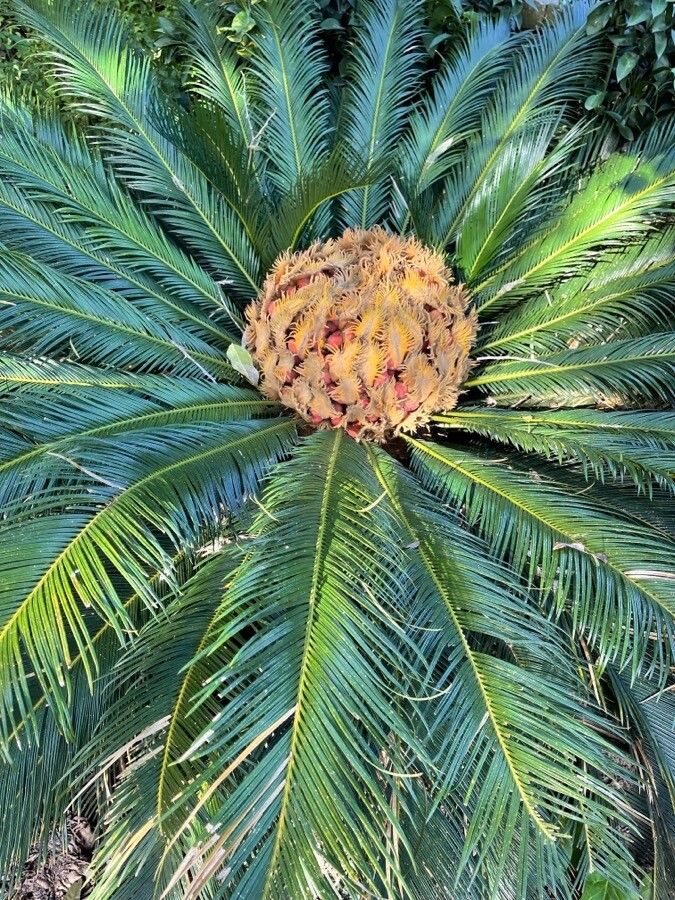
Sago Palms produce cones that contain seeds. While this method offers an abundance of new plants, it requires patience. Here’s how it works:
- Harvest the seeds: Once the cones ripen and turn a reddish-brown color, carefully collect the seeds.
- Prepare the seeds: Remove the fleshy outer layer of the seeds and soak them in water for 24 hours.
- Sowing the seeds: Use a well-draining potting mix and sow the seeds in individual pots or seed trays. Cover the seeds with a thin layer of soil and water thoroughly.
- Germination: Keep the seeds in a warm, sunny location and maintain consistent moisture. Germination can take several months to a year, so be patient!
Pros of Seed Propagation:
- Abundant offspring: One Sago Palm can produce a large quantity of seeds, giving you multiple new plants.
- Genetic diversity: Seed propagation introduces genetic variation, making the resulting plants slightly different from the parent plant.
Cons of Seed Propagation:
- Time-consuming: Germination can take a very long time.
- Slow growth: Seedlings grow slowly and may take several years to reach a significant size.
Offshoot Propagation: A Quicker Path
Sago Palms often produce offshoots, or “pups,” at the base of the stem. This method offers a faster route to a new plant.
- Identify the offshoots: Look for healthy, well-developed offshoots with roots emerging from the base.
- Separate the offshoot: Use a sharp knife or pruning shears to carefully cut the offshoot from the parent plant, ensuring the roots remain intact.
- Prepare the offshoot: Remove any damaged or decaying roots and treat the cut area with a fungicide.
- Planting the offshoot: Pot the offshoot in a well-draining potting mix and water thoroughly.
- Care and maintenance: Keep the offshoot in a warm, shaded location and water regularly, allowing the soil to dry slightly between waterings.
Pros of Offshoot Propagation:
- Faster growth: Offshoots have already developed roots, allowing them to grow faster than seedlings.
- Easier maintenance: Offshoot propagation requires less time and effort than seed propagation.
Cons of Offshoot Propagation:
- Limited availability: Not all Sago Palms produce offshoots.
- Potential for damage: Careless separation can injure the parent plant or the offshoot.
General Propagation Tips
Regardless of the method you choose, here are some general tips for success:
- Use a well-draining potting mix: Sago Palms prefer well-draining soil to prevent root rot.
- Water regularly: Keep the soil consistently moist, but avoid overwatering.
- Provide adequate light: Sago Palms need bright, indirect light.
- Fertilize regularly: Use a balanced fertilizer during the growing season.
Propagating your Sago Palms is a rewarding experience that allows you to enjoy these beautiful plants for years to come. By understanding the different methods and following the guidance outlined in this guide, you can successfully grow new Sago Palms and share their tropical charm with others.