
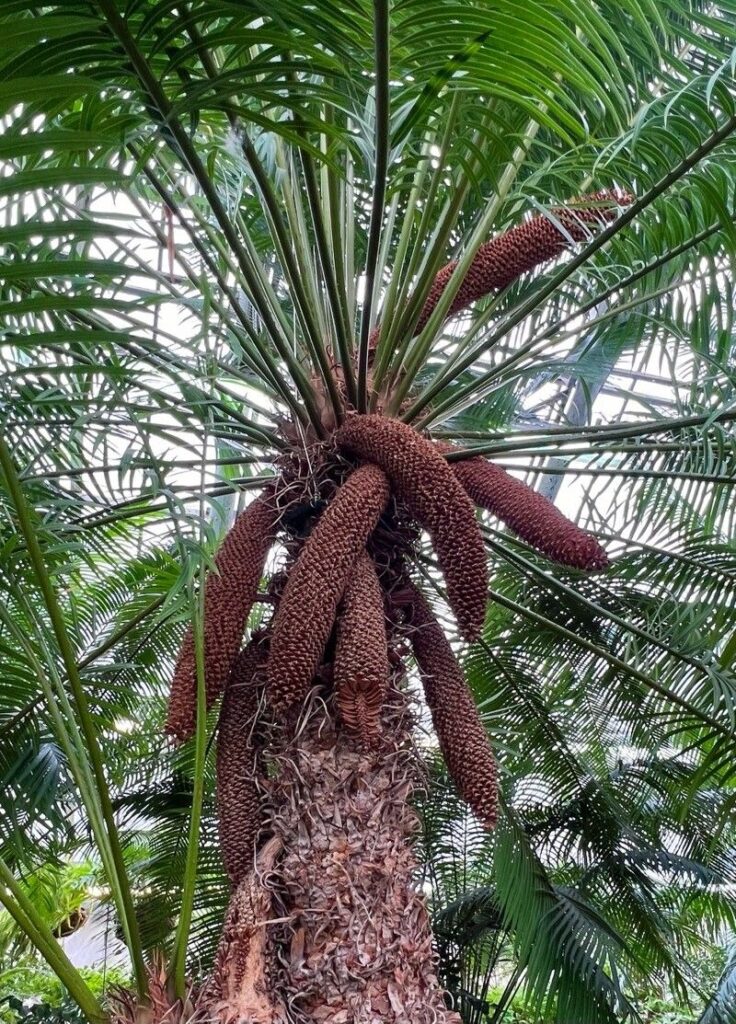
From Seed to Sago: Unveiling the Secrets of Cycas rumphii Propagation
The Cycas rumphii, also known as the Queen Sago Palm, stands as a magnificent symbol of tropical elegance in many gardens. Its graceful, fern-like fronds and robust trunk make it a coveted plant, but acquiring new specimens can be a challenge. Thankfully, the beauty of Cycas rumphii extends beyond its appearance; it also offers the exciting possibility of propagation, allowing you to grow your own miniature rainforest paradise.
But before you dive headfirst into this horticultural endeavor, it’s crucial to understand the different propagation methods available and their nuances. Typically, Cycas rumphii can be propagated through two methods: seeds and offsets.
Seed Propagation: A Journey of Patience and Growth
The most common propagation method for Cycas rumphii is through seeds. While it might seem daunting, it’s surprisingly accessible and rewarding. Here’s a step-by-step guide:
- Harvest Mature Seeds: Begin by collecting ripe seeds from a healthy Cycas rumphii. They are typically brown and hard, found within a fleshy, orange-red fruit.
- Prepare the Seeds: Gently remove the fleshy outer layer and soak the seeds in warm water for 24 hours. This helps soften the outer coating and aids in germination.
- Sow the Seeds: Fill a pot with a well-draining potting mix and sow the seeds about 1 inch deep, spacing them a few inches apart.
- Provide Sunlight and Moisture: Ensure the pot receives ample sunlight and maintain consistent moisture.
- Patience is Key: Germination can take several months, sometimes even a year! The rewards of your patience will be evident as tiny seedlings emerge, showcasing the promise of future majestic cycads.
Offset Propagation: Divide and Conquer
For those seeking a quicker route to new plants, offset propagation offers an attractive alternative. This method involves separating the “pups” or offsets that develop at the base of the parent plant.
- Identifying Offsets: Look for small, independent plantlets growing near the base of the Cycas rumphii. These offsets will resemble miniature versions of the parent plant, with their own roots.
- Prepare for Separation: Gently loosen the soil around the offset, ensuring it’s not too tightly attached to the parent plant.
- Clean Separation: Use a sharp, sterile knife to carefully cut the offset from the parent plant. Aim to include a decent portion of roots for successful growth.
- Repotting and Care: Plant the offset in a pot with a well-draining potting mix, keeping it moist while it establishes its roots.
Essential Tips for Success
No matter which method you choose, here are some essential tips to ensure the success of your Cycas rumphii propagation:
- Ideal Temperature: Cycas rumphii prefers warm temperatures, so keep your seeds or offsets in an environment between 70-80 degrees Fahrenheit.
- Well-Draining Soil: Utilize a potting mix that promotes water drainage to prevent root rot, crucial for the healthy development of your new plants.
- Sun Exposure: Cycas rumphii thrives in bright, indirect sunlight. Avoid exposing them to direct sunlight, which can scorch their delicate fronds.
- Fertilization: Once established, regular fertilization with a balanced fertilizer will encourage optimal growth.
A New Generation of Green Beauty
Propagating Cycas rumphii is a rewarding experience that allows you to appreciate the intricate life cycle of these majestic plants. Whether you embrace the patient journey of seed propagation or the efficient approach of offset propagation, you’ll be creating a new generation of green beauty to enrich your home or garden.
So, embark on this horticultural adventure and witness the remarkable transformation from seed to Sago, from offset to thriving Cycas rumphii, a testament to the wonders of nature and the joy of cultivation.