
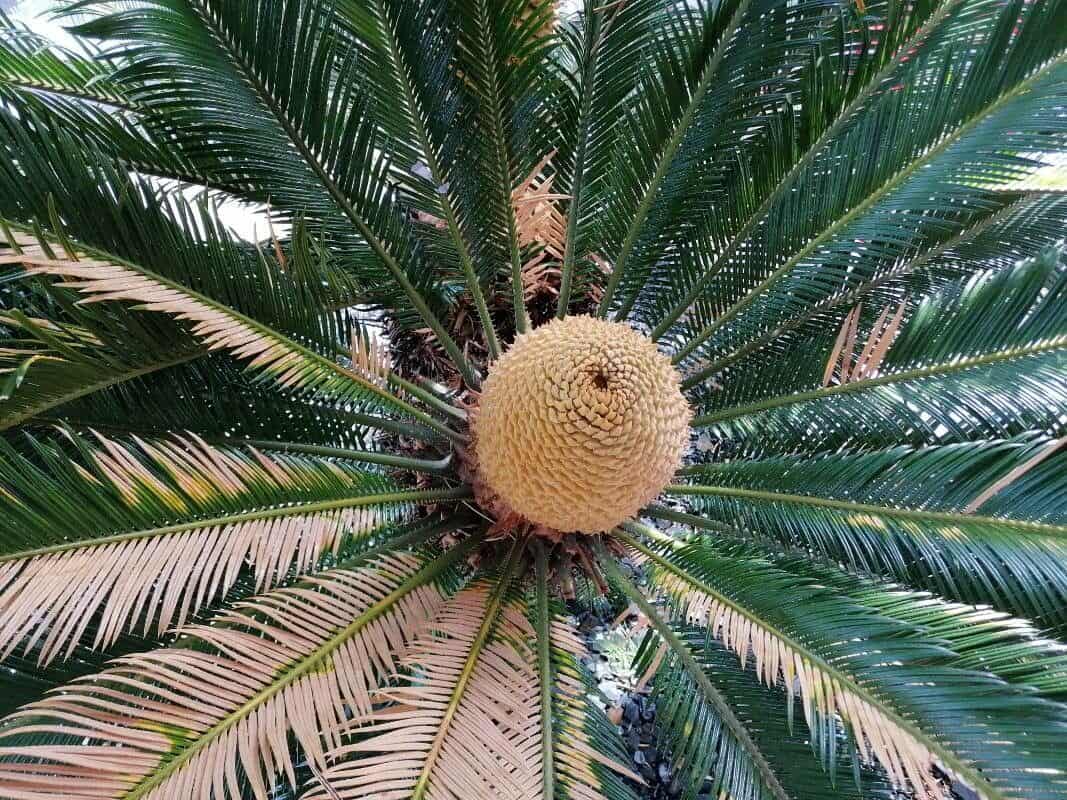
Unlocking Ancient Secrets: Propagating the Majestic Cycas seemannii
The Cycas seemannii, a palm-like cycad radiating prehistoric charm, adds a touch of the Jurassic to any landscape. But did you know that propagating this living fossil is an attainable feat, even for non-experts? While it requires patience and care, successfully bringing forth new life from this ancient lineage is a rewarding experience.
This guide unveils the mysteries surrounding Cycas seemannii propagation, focusing on two primary methods:
1. Seeds: A Test of Time and Dedication
- Source Your Seeds Wisely: Obtaining viable seeds is crucial. Look for reputable suppliers specializing in cycads or collect them from mature plants, ensuring they are fully ripened (typically orange or red).
- Break Dormancy’s Grip: Cycas seemannii seeds possess a natural dormancy mechanism. To encourage germination, soak them in lukewarm water for 24-48 hours, changing the water daily. This helps soften the tough outer layer and jumpstart the process.
- Provide a Nurturing Bed: Prepare a well-draining potting mix specifically designed for cycads or palms. Sow the seeds about an inch deep, leaving adequate space between them for root development.
- Patience is Your Virtue: Germination can be a waiting game, ranging from a few months to a year. Maintain consistently moist (not soggy) soil and provide warmth (around 70-80°F).
- Embrace the Green Sprouts: Once seedlings emerge, ensure they receive bright, indirect sunlight. Gradually acclimate them to more direct light as they mature.
2. Pups: Offspring of the Ancients
- Identify Potential Candidates: Mature Cycas seemannii often produce “pups” or offsets at the base. These miniature versions of the parent plant offer a quicker propagation route.
- Carefully Separate the Offspring: Using a sharp, sterilized knife or pruning shears, detach the pup from the main stem. Ensure a clean cut to minimize the risk of infection.
- Hormonal Boost (Optional): While not mandatory, dipping the pup’s base in a rooting hormone powder can enhance root development.
- Potting and Aftercare: Plant the pup in well-draining soil, burying the base just below the surface. Maintain consistent moisture and provide bright, indirect light.
- Witness Growth and Celebration: With proper care, the pup will establish its root system and develop into an independent plant.
Beyond the Basics – Nurturing Success:
- Well-Draining Soil is Key: Cycas seemannii are susceptible to root rot. Opt for a soil mix designed for succulents or palms, or create your own using ingredients like perlite, bark chips, and coarse sand.
- Light is Life: These plants thrive in bright, indirect light. While they tolerate some shade, ample sunlight is crucial for robust growth.
- Fertilize Sparingly: During the growing season (spring and summer), feed your Cycas seemannii with a balanced, slow-release fertilizer specifically formulated for cycads.
- Be Patient and Observant: Growing Cycas seemannii is a journey. Regularly check for pests, diseases, or signs of stress. Adjust your care routine accordingly to ensure their well-being.
Propagating Cycas seemannii is an act of preserving a botanical legacy. By mastering these techniques, you contribute to the continuation of this ancient lineage while adding a touch of prehistoric beauty to your surroundings. Embrace the challenge, and revel in the satisfaction of cultivating your very own Jurassic giant.