
Unveiling the Secrets of Star Lily Propagation: How to Cultivate Toxicoscordion Fremontii
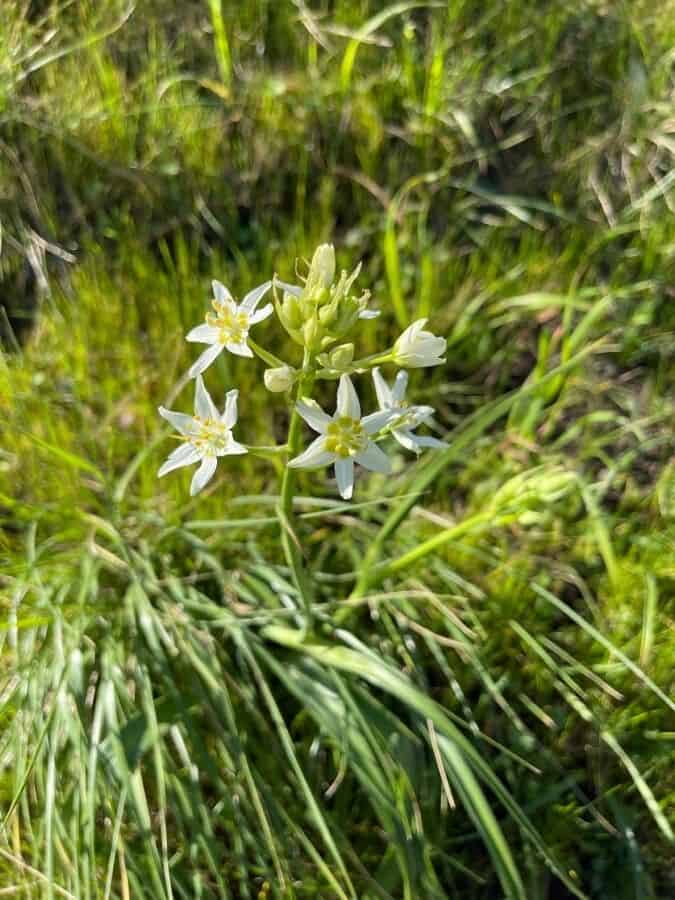
Toxicoscordion fremontii, more affectionately known as the Star Lily or Frémont’s Deathcamas, is a captivating wildflower native to Western North America. With its elegant, star-shaped blooms adorning tall stalks and vibrant green foliage, this enchanting plant can be a stunning addition to gardens within its natural range. However, its beauty belies a degree of difficulty when it comes to propagation. Today, we delve into the secrets of successfully cultivating this captivating yet somewhat challenging species.
Understanding the Challenges:
Before embarking on your propagation journey, it’s crucial to acknowledge the intricacies involved:
- Slow Growth: Patience is paramount with Star Lilies. These beauties are notoriously slow-growing, often taking several years to reach flowering maturity from seed.
- Toxicity: As the name “Deathcamas” suggests, all parts of this plant are highly toxic if ingested. Exercise extreme caution and wear gloves when handling any part of the plant.
- Specific Growing Requirements: Star Lilies thrive in well-drained soil and prefer a period of summer dormancy, mimicking their natural habitat.
Propagation Methods:
While challenging, propagating Star Lilies is not impossible. Here’s a breakdown of the two most common methods:
1. Seed Propagation:
- Collection: Harvest ripe seed capsules in late summer or early fall after they have turned brown and begun to split open.
- Stratification: Star Lily seeds require cold stratification to mimic natural winter conditions and break dormancy. Store seeds in a moist medium like vermiculite in the refrigerator for at least 3 months.
- Sowing: In spring, sow the stratified seeds in a well-drained seed starting mix, barely covering them.
- Germination: Be patient! Germination can be erratic and may take several months.
- Transplanting: Once seedlings are large enough to handle, carefully transplant them into individual pots or your garden in their desired location.
2. Division:
- Timing is Key: Divide established clumps in late summer or early fall during their dormant period.
- Careful Extraction: Gently unearth the entire clump, being careful not to damage the fleshy bulbs.
- Division: Using a clean, sharp knife, carefully divide the clump into smaller sections, each with healthy roots and bulbs.
- Replanting: Replant the divisions immediately at the same depth they were originally growing, ensuring good spacing.
Nurturing Your Star Lilies:
- Well-drained Soil: These beauties are susceptible to root rot. Choose a location with excellent drainage or amend your soil with sand or grit.
- Sun or Shade: While they tolerate some shade, Star Lilies generally prefer full sun to partial shade.
- Watering: Water deeply but infrequently during the growing season, allowing the soil to dry out between watering sessions.
- Summer Dormancy: Cease watering once the foliage starts to yellow and die back in summer, mimicking their natural dormancy period.
Propagating Toxicoscordion Fremontii requires patience, knowledge, and a touch of resilience. However, the reward of these exquisite wildflowers gracing your garden makes the journey worthwhile. By understanding their unique needs and embracing the challenge of their propagation, you can help preserve and share the beauty of this captivating native species.