
Propagating Cyclamen cilicium: Unveiling the Secrets of the Cilician Cyclamen
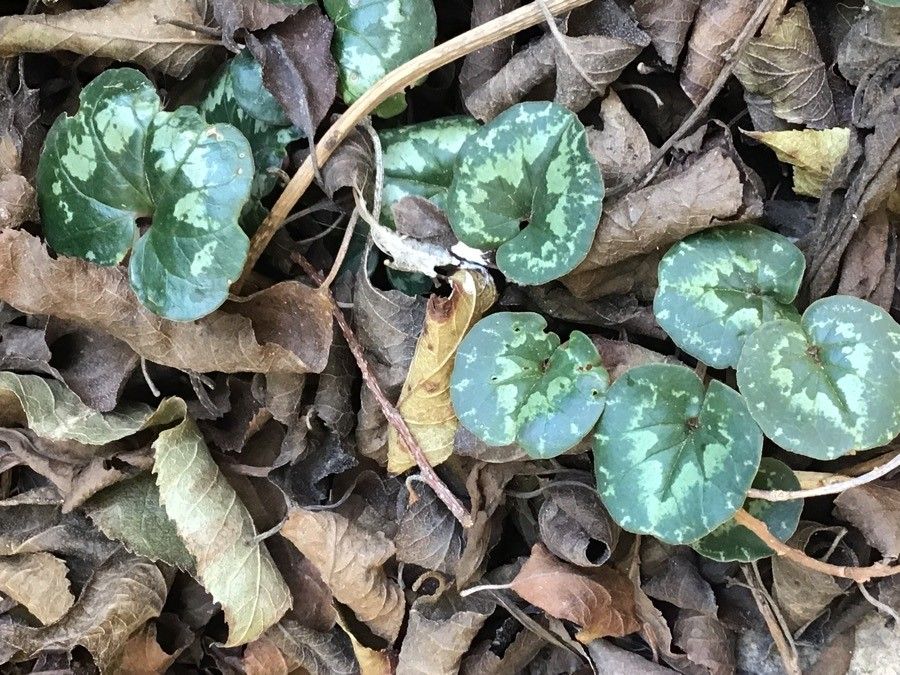
Cyclamen cilicium, also known as the Cilician cyclamen, is a captivating member of the Primulaceae family. Native to the Taurus Mountains of southern Turkey and parts of Syria, this species stands out for its delicately fragrant, upward-facing flowers in shades of pink, lilac, and white, often exhibiting a distinctive dark eye. Its heart-shaped, marbled leaves add to its aesthetic appeal, making it a prized possession amongst plant enthusiasts and a welcome addition to rock gardens or shady borders. Its relative ease of cultivation, once established, belies the challenges inherent in its propagation. This article explores the various methods of propagating Cyclamen cilicium, weighing their successes and difficulties.
Seed Germination:
Seed germination is a viable method for propagating Cyclamen cilicium, but it presents certain challenges. Freshly collected seeds are crucial for success, as viability decreases rapidly with time. A period of cold stratification (2-4 weeks at 4°C) is almost essential to break dormancy. Sow seeds thinly in a well-draining seed compost, preferably a mix of peat, perlite, and vermiculite, maintaining consistently moist (but not waterlogged) conditions. Germination typically occurs within a few weeks at temperatures around 15-20°C, although it can be erratic. Patience is key; some seeds may germinate much later.
Challenges: Low germination rates, slow germination, unpredictable seed dormancy.
Tips: Fresh seeds, cold stratification, consistent moisture, well-draining compost.
Rewards: Greatest genetic diversity, potential for large-scale propagation for conservation or commercial purposes.
Cuttings:
Currently, there are no known reliable methods for propagating Cyclamen cilicium from cuttings. The plant’s physiology does not readily lend itself to this propagation technique.
Division:
Division is also a largely unsuccessful method for propagating Cyclamen cilicium. The plant’s corms are not easily divisible without significant damage resulting in the death of the plant. Attempts at division seldom result in viable, thriving offspring.
Tissue Culture:
While tissue culture is a theoretically viable method for propagating Cyclamen cilicium, it requires specialized equipment, sterile laboratory conditions, and significant expertise in plant tissue culture techniques. This is not a practical method for the home gardener. Successful propagation through tissue culture would largely address the challenges associated with seed and other methods but incurs high costs.
Challenges: Requires specialized expertise and lab facilities, high initial investment.
Tips: Seek professional guidance or facilities with experience in tissue culture propagation of cyclamen.
Rewards: High propagation success rate, potential for disease-free plants
Conclusion:
Propagating Cyclamen cilicium presents unique challenges regardless of the method employed. Seed germination offers the highest potential for genetic diversity but requires patience and careful technique to overcome unpredictable germination rates. Other methods, like cuttings and division, prove largely impractical. Tissue culture offers the most reliable results but is expensive and inaccessible to most enthusiasts. The rewards, however, are substantial. Successfully nurturing a new plant from seed, overcoming the inherent challenges, brings a profound sense of accomplishment. The unique fragrance and beauty of the Cilician cyclamen more than compensate for the effort involved. For those inclined to try seed propagation, patience, attention to detail, and high-quality seed are your greatest assets. Embrace the learning curve, and the reward of flourishing Cilician cyclamen will be all the sweeter.