
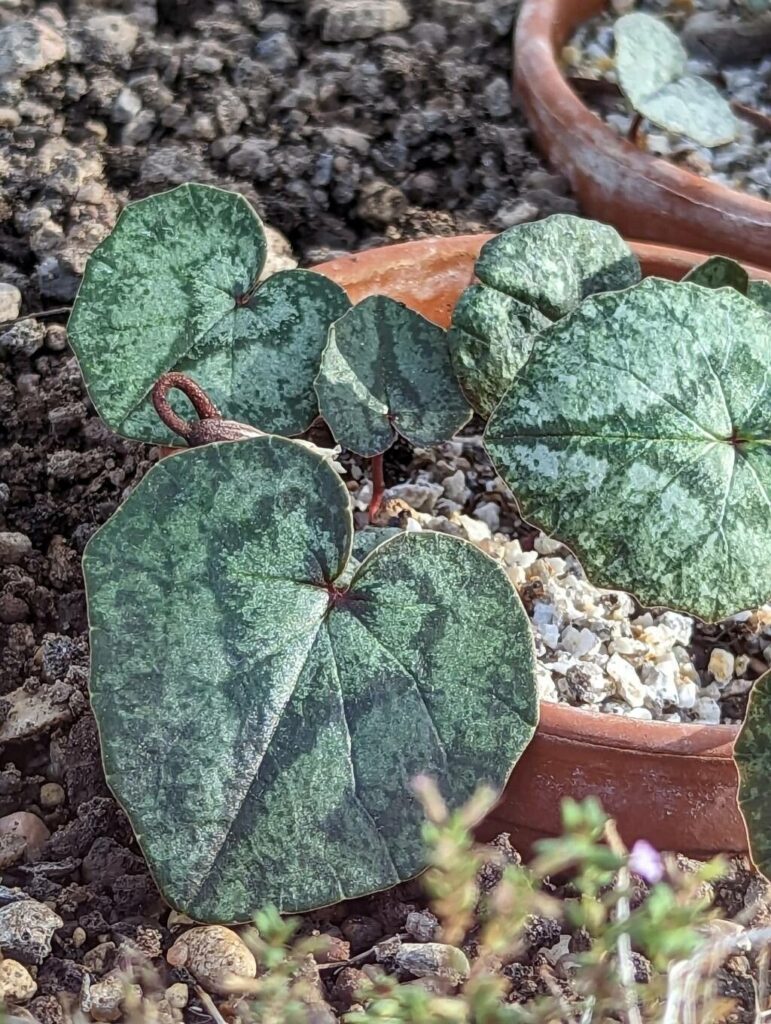
Unveiling the Mysteries: Propagating the Exquisite Cyclamen libanoticum
The Cyclamen libanoticum, with its charming swept-back petals and vibrant hues, is a sight to behold. Native to the mountains of Lebanon and Syria, this captivating species adds a touch of exotic elegance to any plant collection. But its delicate beauty often intimidates aspiring propagators. Fear not, fellow plant enthusiasts! This guide delves into the secrets of successfully propagating Cyclamen libanoticum, allowing you to share the joy of this exquisite species.
Understanding the Cyclamen Libanoticum Life Cycle:
Before embarking on your propagation journey, it’s crucial to understand the plant’s unique life cycle. Cyclamen libanoticum is a tuberous plant, meaning it stores energy in an underground structure called a tuber. It follows a distinct cycle of active growth during the cooler months, followed by a dormant period in summer when the foliage dies back. Propagation efforts are best timed to coincide with this natural rhythm.
Two Paths to Propagation Success:
Two primary methods exist for propagating Cyclamen libanoticum:
1. Seed Propagation: A Rewarding, Long-Term Approach
- Source Your Seeds: Purchase seeds from a reputable supplier or collect them from your own mature plants. Look for seed pods that form after flowering, typically around late spring.
- Break the Dormancy: Cyclamen libanoticum seeds exhibit dormancy, requiring a chilling period to trigger germination. Mimic their natural environment by placing the seeds in a moist paper towel inside a sealed plastic bag. Refrigerate them for 8-12 weeks.
- Sow with Care: After the chilling period, sow seeds in a well-draining seed starting mix. Cover them lightly with a fine layer of vermiculite or soil and maintain consistent moisture. Place the pots in a cool, bright location, out of direct sunlight.
- Patience is Key: Germination can take anywhere from a few weeks to several months. Once seedlings develop their first true leaves, transplant them into individual pots.
2. Tuber Division: A Quicker, More Immediate Method
- Timing is Everything: Divide tubers when the plant is dormant, typically in late summer or early fall.
- Careful Extraction: Gently dig up the plant and carefully brush away excess soil to expose the tuber.
- Precise Division: Using a sharp, sterilized knife, carefully cut the tuber into sections. Ensure each section has at least one growth point (a small bump on the surface).
- Potting the Divisions: Allow the cut surfaces to dry for a day or two before potting them up in well-draining soil. Water sparingly until new growth emerges.
Nurturing Your New Progeny:
Regardless of your chosen propagation method, successfully raising Cyclamen libanoticum requires understanding their specific needs:
- Well-Draining Soil: Use a mix specifically designed for cyclamen or create your own with equal parts peat moss, perlite, and vermiculite.
- Bright, Indirect Light: Place in a location with plenty of bright, indirect light. Avoid direct sunlight, especially during the hottest parts of the day.
- Cool Temperatures: Cyclamen libanoticum thrives in cooler temperatures, ideally between 50-65°F (10-18°C).
- Proper Watering: Water thoroughly when the soil surface feels dry to the touch, but avoid overwatering, which can lead to tuber rot.
Propagating Cyclamen libanoticum might seem daunting at first, but armed with the right knowledge and techniques, even novice gardeners can experience the joy of bringing these botanical beauties to life. With patience and care, you can cultivate your own captivating collection, ensuring the legacy of this exquisite species lives on.