
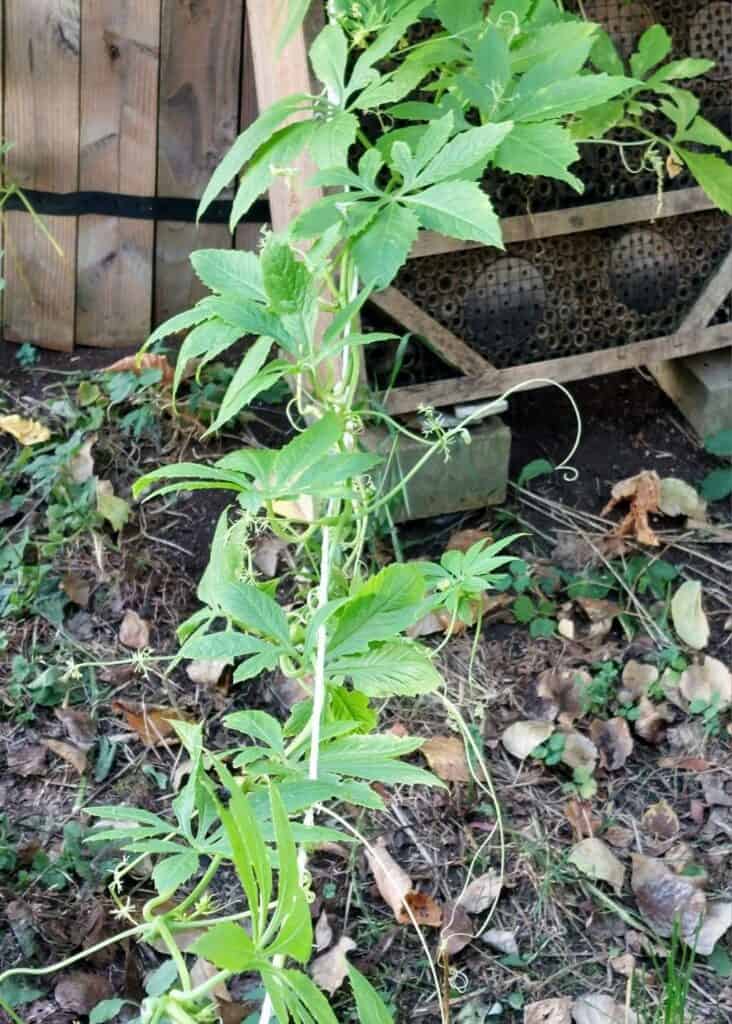
Unlocking the Secrets of the Achocha: Your Guide to Propagating Cyclanthera Pedata
The achocha, also known as caigua or Cyclanthera pedata, is a fascinating and versatile vine hailing from South America. This unique plant, boasting curious, spiky fruits and edible shoots and leaves, is gaining popularity for its delightful taste and impressive nutritional value. Intrigued? Let’s delve into the rewarding world of propagating your very own achocha vine!
Seed Starting: The Gateway to Achocha Abundance
The most common and reliable method for propagating Cyclanthera pedata is through seeds. Here’s a step-by-step guide:
- Seed Selection: Choose fresh, plump seeds from a mature, healthy achocha fruit. Lightly squeezing the seed should reveal a firm texture, indicating viability.
- Pre-Soaking (Optional): While not mandatory, soaking the seeds in lukewarm water for 12-24 hours can hasten germination. This softens the outer layer and kickstarts the sprouting process.
- Sowing the Seeds: Utilize a well-draining seed starting mix. Sow the seeds about half an inch deep and 12-18 inches apart. This spacing allows for optimal root development.
- Warmth and Moisture: Achocha seeds thrive in warm temperatures (70-80°F). Keep the soil consistently moist but not waterlogged. A humidity dome or placing the seed trays on a heating mat can help maintain ideal conditions.
- Germination Time: Be patient – germination typically takes 1-3 weeks. Once the seedlings emerge, provide ample light. A sunny windowsill or grow lights will do the trick.
Transplanting: Giving Your Achocha Room to Thrive
Once your seedlings develop a few sets of true leaves (beyond the initial cotyledons) and the danger of frost has passed, it’s time to transplant them outdoors:
- Harden Off: Gradually acclimatize your seedlings to outdoor conditions. Introduce them to increasing durations of sunlight and wind over a week or two.
- Choosing the Right Spot: Select a sunny location with well-drained soil. Achocha vines love to climb, so ensure there’s ample support, such as a trellis, fence, or sturdy stakes.
- Planting and Care: Dig a hole slightly larger than the root ball. Gently place the seedling, backfill with soil, and water generously. Mulching around the base helps retain moisture and suppress weeds.
Beyond Seed Starting: Exploring Other Propagation Techniques
While seed propagation reigns supreme, achocha can also be propagated through cuttings:
- Stem Cuttings: Take cuttings from healthy, mature stems. Remove the lower leaves and dip the cut end in rooting hormone (optional). Plant the cutting in a moist, well-draining potting mix and keep it warm and humid.
- Root Cuttings: In early spring, carefully dig up a portion of established achocha plants. Section the thicker roots into pieces, ensuring each has a growth bud. Plant these sections horizontally in a seed tray with moist potting mix, burying them lightly.
Reaping the Rewards: Harvesting Your Achocha Bounty
With proper care and attention, your achocha vine will reward you with an abundance of curious fruits in a few months. Harvest them young when they are tender and crisp. Remember to also savor the edible leaves and shoots, which add a delightful crunch to salads and stir-fries!
Propagating your own Cyclanthera pedata is a rewarding experience that grants access to a world of culinary possibilities. So why not embark on this horticultural adventure and discover the unique delights of the achocha!