
Propagating the Swan Orchid: A Guide to Cycnoches loddigesii
Introduction:
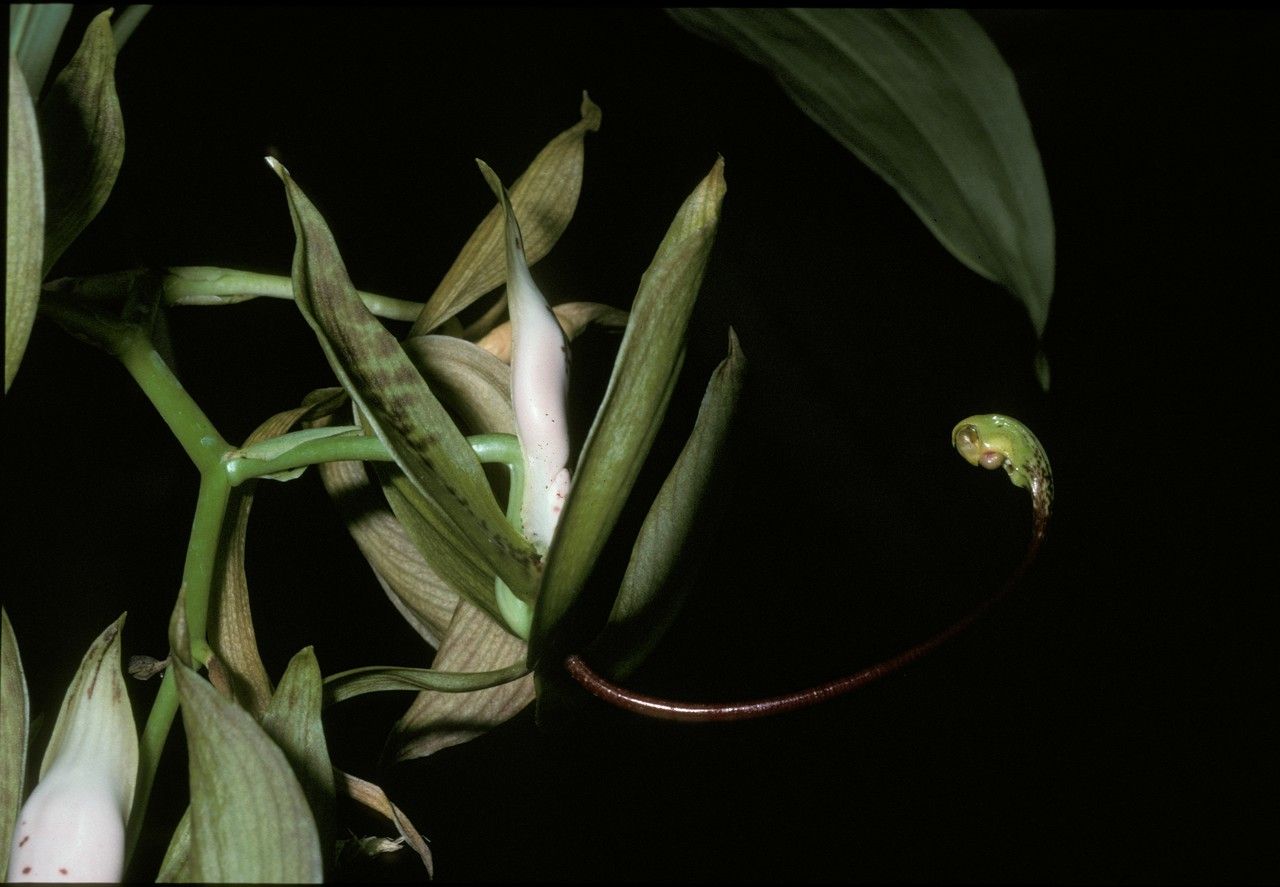
Cycnoches loddigesii, also known as the Swan Orchid, is a captivating epiphytic orchid prized for its dramatically shaped, fragrant flowers resembling swan necks. Its unique blooms, appearing in striking shades of green, yellow, and brown, coupled with varying levels of fragrance, make it a sought-after addition to any orchid collection. While not as common as some other orchid species, its captivating beauty and relative ease of care (compared to some other Cycnoches species) have cultivated a devoted following among orchid enthusiasts. However, propagation of Cycnoches loddigesii presents some unique challenges, making success a particularly rewarding experience.
Seed Germination:
Currently, there are no known reliable methods for seed germination propagation of Cycnoches loddigesii. Orchid seeds, including those of Cycnoches, are dust-like and lack endosperm (the nutrient-rich tissue that typically supports seedling development). They require a symbiotic relationship with specific mycorrhizal fungi for successful germination, a complex relationship difficult to replicate outside of a specialized laboratory setting. Attempts at seed germination without the proper fungal partner typically result in failure.
Cuttings:
Cuttings are not a viable method for propagating Cycnoches loddigesii. Unlike some other plants, orchids, particularly epiphytes, do not readily produce roots from stem cuttings. Attempts to root stem segments are virtually certain to fail.
Division:
Division is the most practical and reliable method for propagating Cycnoches loddigesii. This involves carefully separating a mature, established plant into multiple sections, each possessing sufficient roots and pseudobulbs.
Challenges: Successful division requires a mature plant with a robust root system. Dividing too early can severely weaken or even kill the parent plant. Care must be taken to avoid damaging the delicate roots during separation. Each section should ideally have at least three pseudobulbs and a healthy root mass.
Practical Tips: The best time to divide Cycnoches loddigesii is during the active growth period following flowering. Use a sharp, sterilized knife or shears to divide the rhizome. Ensure each division is repotted in a well-draining medium, such as a mix of bark chips, perlite, and sphagnum moss, and provide appropriate humidity and warmth.
Rewards: Division allows for a relatively quick increase in the number of plants, utilizing established genetics and bypassing the complexities of seed germination or tissue culture.
Tissue Culture:
Tissue culture is a viable, though technically demanding, method for propagating Cycnoches loddigesii. It involves growing plantlets from small pieces of sterile tissue in a controlled laboratory environment using specialized nutrient media.
Challenges: Tissue culture requires specialized equipment, a sterile environment (laminar flow hood), and a detailed understanding of orchid tissue culture techniques. Contamination is a significant risk. The process is time-consuming and requires expertise.
Practical Tips: Successful tissue culture requires access to a suitable laboratory setup, appropriate media formulations, and aseptic techniques. Experienced orchid tissue culture laboratories are usually the best option for undertaking this propagation method.
Rewards: Tissue culture enables large-scale propagation, cloning superior specimens, and the potential for disease-free plants.
Conclusion:
Propagating Cycnoches loddigesii presents unique challenges across all methods. While seed germination is currently unreliable, division offers the most practical approach for the home grower, requiring patience and careful attention to detail. Tissue culture presents the potential for large-scale production but demands specialized skills and equipment. The rewards, however, are significant: successfully propagating this stunning orchid, overcoming the inherent difficulties, brings an immense sense of accomplishment and allows you to share the beauty of the Swan Orchid with others. For aspiring propagators, starting with division and gradually developing skills is a sensible strategy, leading to the immense satisfaction of nurturing the growth and bloom of this remarkable plant.