
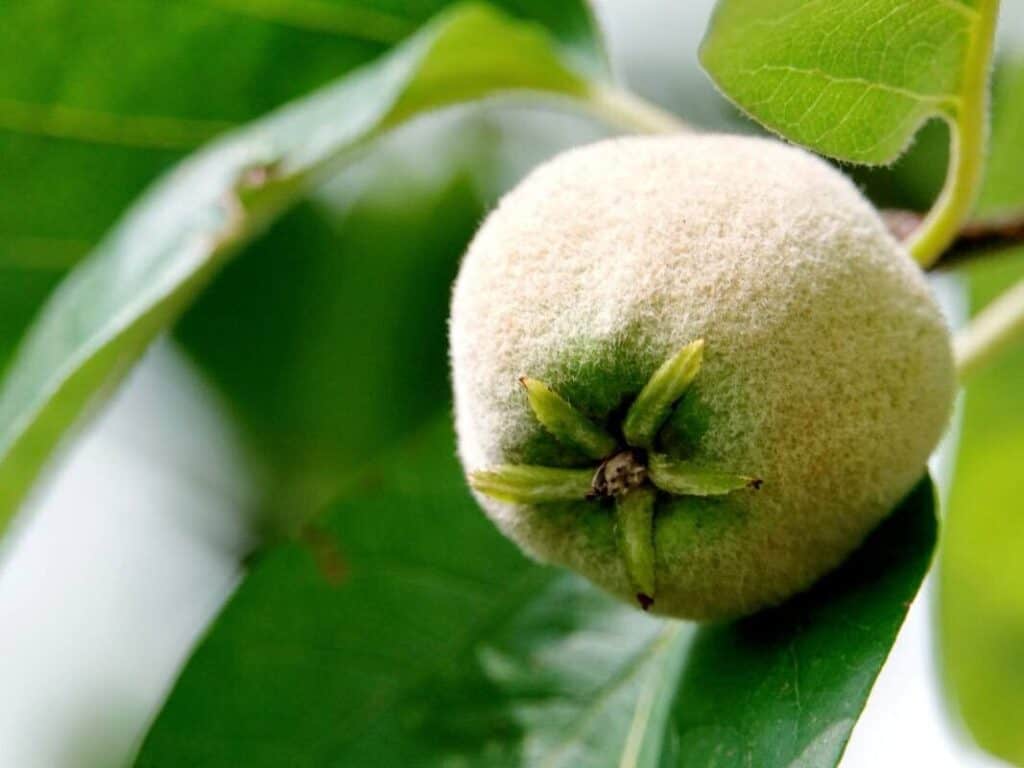
From Quince Seed to Sweet Success: A Guide to Propagating Cydonia Oblonga
The quince (Cydonia oblonga), with its fragrant, golden fruit and charming, old-world feel, is a rewarding addition to any garden. While readily available at nurseries, there’s a special satisfaction that comes from propagating your own. Plus, doing so opens up possibilities for creating unique varieties and sharing the joy of this fruit with others.
Here, we’ll explore the two most common methods of propagating Cydonia oblonga:
1. Seed Propagation: Embracing the Element of Surprise
Planting quince seeds is a straightforward process, perfect for the adventurous gardener. Here’s how:
- Harvesting Seeds: Collect ripe quince fruits in fall. Cut them open, extract the seeds, and rinse off any remaining pulp.
- Stratification: Quince seeds need a period of cold treatment to germinate. Mix the seeds with moist sand or peat moss and seal them in a plastic bag. Store in your refrigerator for 6-8 weeks.
- Sowing: Once stratified, sow seeds about ½ inch deep in seed-starting mix. Water well and keep the soil consistently moist.
- Patience is Key: Germination can take anywhere from a few weeks to several months.
- Transplanting: Once the seedlings have several sets of true leaves and are large enough to handle, they can be transplanted to individual pots or directly into the garden.
A Word of Caution: Quince trees grown from seed may not be true to the parent variety. This means the fruit they produce could be different in size, flavor, and even color. However, it’s this element of surprise that makes seed propagation so exciting!
2. Cutting Propagation: Cloning Your Favorite Quince
If you’re looking for a surefire way to get an exact replica of your favorite quince variety, taking cuttings is the best approach:
- Timing is Everything: Early morning during the dormant season (late fall to early spring) is the ideal time to take hardwood cuttings.
- Selecting Cuttings: Choose healthy, one-year-old stems that are about 6-8 inches long and free of diseases.
- Preparing the Cuttings: Make a clean cut just below a leaf node at the bottom and above a node at the top. Remove any leaves from the lower third of the cutting.
- Encouraging Root Development: Dipping the base of the cutting in rooting hormone powder can greatly increase success rates.
- Planting: Insert the cut end into a well-draining potting mix, burying at least a third of the cutting. Water thoroughly.
- Creating a Humid Environment: Cover the pot with a plastic bag or use a propagator to retain moisture and promote rooting.
- Transplanting: After 8-12 weeks, gently tug on the cutting. Resistance indicates successful rooting, and the cutting can be transplanted.
Advantages of Cuttings: This method ensures you’ll get a tree genetically identical to the parent plant, guaranteeing fruit characteristics.
Nurturing Your Quince Progeny
Regardless of your chosen propagation method, provide young quince plants with:
- Well-drained soil: Quinces thrive in loamy soil with good drainage.
- Full sun: These fruit trees prefer at least 6 hours of direct sunlight daily.
- Regular watering: Keep the soil consistently moist, especially during the first year after planting.
- Pruning: Annual pruning in late winter helps maintain shape, promotes air circulation, and encourages fruit production.
The Joys of Homegrown Quinces
Propagating your own quince trees is a rewarding experience that allows you to cultivate this versatile fruit for generations to come. Whether you choose to embark on the adventure of seed propagation or prefer the certainty of cuttings, the joy of biting into a homegrown quince is a reward worth savoring.