
Propagating the Cane Cholla (Cylindropuntia kleiniae): A Guide for the Determined Gardener
Introduction
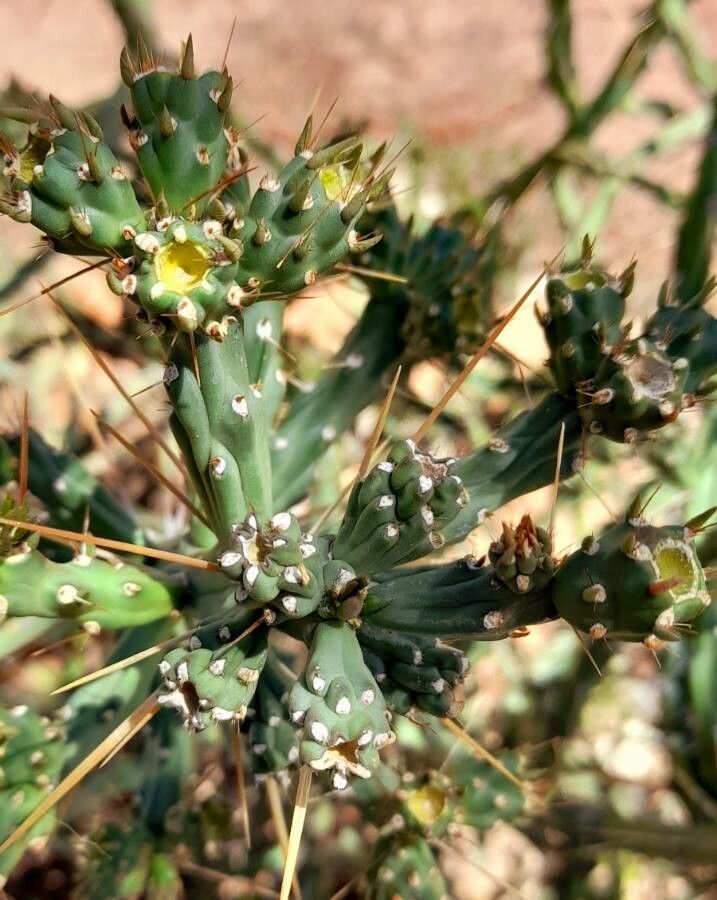
Cylindropuntia kleiniae, commonly known as the Cane Cholla, is a striking cactus characterized by its tall, upright, cylindrical stems that branch prolifically. Its spiny, greyish-green pads and charming flowers make it a sought-after addition to xeriscape gardens and arid-climate collections. While its beauty is undeniable, propagating this cholla presents unique challenges, making successful cultivation a rewarding experience for the dedicated gardener. Its popularity stems from its relatively easy care once established, contrasting with the hurdles presented during propagation.
Seed Germination
While Cylindropuntia kleiniae produces seeds, germination presents significant challenges. The seed coat is notoriously hard and requires scarification (breaking the seed coat) to facilitate water uptake. Even with scarification, germination rates are often low and unpredictable. Furthermore, seedlings are slow-growing and vulnerable to fungal diseases. Successfully germinating seeds rewards you with increased genetic diversity within your collection compared to other methods. However, there is no guarantee of success, demanding significant patience and attention to detail.
Tips for (Challenging) Seed Germination:
- Scarification: Use sandpaper or a file to gently roughen the seed coat. Avoid damaging the embryo.
- Soaking: Soak scarified seeds in warm water for 24-48 hours before sowing.
- Sowing: Sow seeds in a well-draining cactus potting mix, barely covering them with soil.
- Conditions: Maintain consistently warm temperatures (20-30°C) and high humidity. Avoid direct sunlight initially.
- Sterility: Maintaining sterile conditions is important to limit fungal infections.
Cuttings
Propagation from cuttings is a considerably more reliable method for Cylindropuntia kleiniae. Mature stem segments, approximately 10-15 cm long, are suitable.
Advantages & Challenges:
- Advantages: High success rate, relatively fast growth of new plants.
- Challenges: The plant’s spines require careful handling; it is crucial to wear heavy gloves and protective eyewear. Proper drying of the cut end before planting is essential to avoid rot.
Steps for Cuttings Propagation:
- Harvest: Carefully remove a stem segment using a sharp, clean knife or shears.
- Drying: Allow the cut end to callous over for several days to a week before planting.
- Planting: Plant the cutting in well-draining cactus potting mix, burying only the bottom inch or so. Protect from excessive moisture until rooting is established.
Division
Division of established clumps is possible, but less common compared to cuttings. Only attempt this on mature plants with multiple established stems. The process follows similar precautions with attention to careful separation and management of the spines. The dividing process should be attempted in the plant’s dormant period.
Advantages & Challenges:
- Advantages: Relatively fast establishment of new plants.
- Challenges: Requires a mature, established plant and careful handling to avoid damaging the plant’s delicate root system.
Tissue Culture
Tissue culture propagation of Cylindropuntia kleiniae is possible but requires specialized laboratory equipment and expertise. It is not a practical method for the average home gardener.
Advantages & Challenges:
- Advantages: Potential for large-scale propagation and disease-free plants.
- Challenges: Requires specialized equipment, skills, and a controlled environment; it is generally performed only in commercial nurseries or research facilities. Currently, there are no widely available protocols specifically for Cylindropuntia kleiniae.
Conclusion
Propagating Cylindropuntia kleiniae presents unique challenges, particularly with seed germination. Cuttings offer the most practical and reliable method for the home gardener. While the spines demand caution and the process requires patience, the unique satisfaction of cultivating this striking cholla, from a small cutting to a thriving specimen, is a testament to the gardener’s dedication and skill. Remember to prioritize safety with proper protective gear throughout the propagation process. For beginners, starting with cuttings is highly recommended, with the potential to explore seed germination later for more advanced propagation techniques. The rewards of successfully propagating this beautiful and hardy cactus are well worth the effort.