
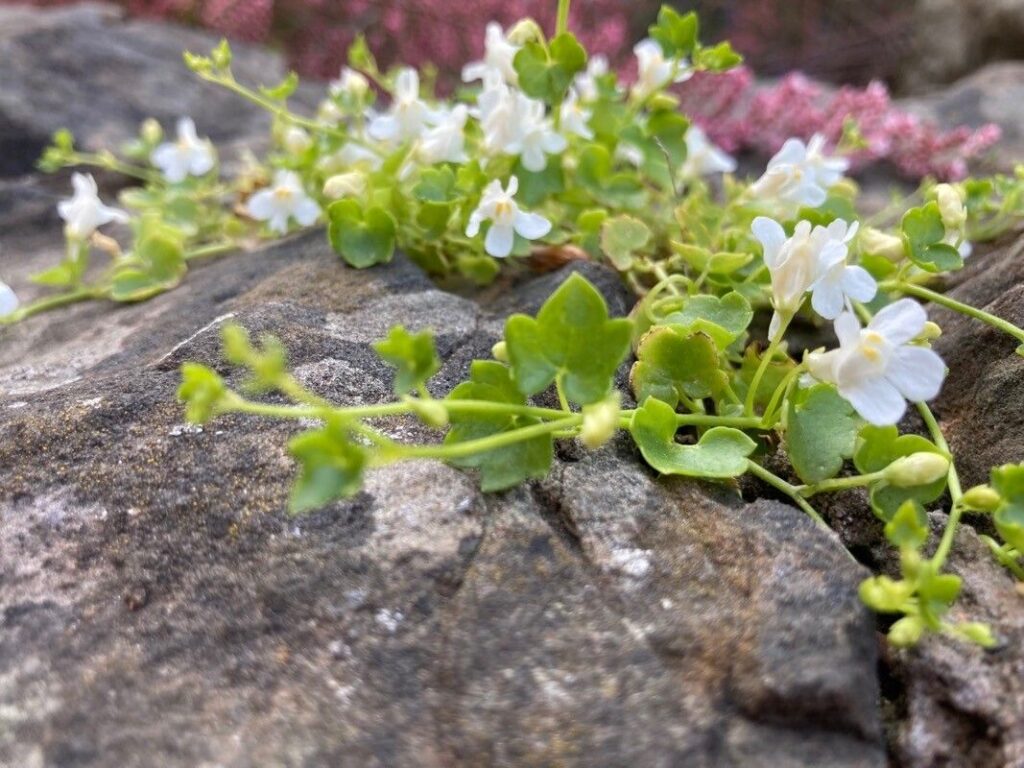
Taming the Tiny Dragon: Propagating the Charming Cymbalaria pallida
Cymbalaria pallida, also known by its whimsical common name, “Italian Toadflax,” is a delightful little groundcover that’s as charming as it is vigorous. With its delicate, ivy-like foliage and cheerful lilac blooms, this European native can quickly transform a dull corner into a cascade of green and purple. And the best part? Propagating Cymbalaria pallida is a breeze, even for beginners!
Why Propagate?
There are many reasons why you might want to multiply your Cymbalaria pallida:
- Expanding its presence: With its trailing habit, it’s perfect for spilling over walls, cascading down rockeries, and adding texture to hanging baskets. Propagating allows you to create more of this cascading beauty.
- Sharing the joy: This hardy plant makes a lovely gift for fellow gardeners. Pass along rooted cuttings and spread the love for this charming species.
- Rejuvenating older plants: Over time, Cymbalaria pallida can become a bit woody and leggy. Taking cuttings helps rejuvenate the plant and maintain its vibrant appearance.
Multiple Methods for Propagation Success:
The beauty of propagating Cymbalaria pallida lies in its simplicity. You can choose from a few different methods, each offering a high chance of success:
1. Division:
- Best time: Spring or early fall.
- Process: As Cymbalaria pallida spreads, it naturally forms roots at the nodes where stems touch the soil. Gently dig up a section of the plant and carefully tease apart the rooted sections. Plant these divisions in their desired locations, ensuring good soil contact and consistent moisture.
2. Cuttings:
- Best time: Spring to early summer.
- Process: Using clean, sharp scissors or pruners, take 4-6 inch cuttings from healthy, non-flowering stems. Remove the lower leaves to expose the nodes where roots will develop. Plant the cuttings in a well-draining potting mix, burying at least one set of nodes. Keep the soil consistently moist and place the cuttings in a bright location out of direct sunlight. Roots should develop within a few weeks.
3. Seed:
- Best time: Spring or fall.
- Process: While Cymbalaria pallida often readily self-seeds, you can also collect seeds and sow them directly into the garden or in seed trays. Scatter the seeds on the soil surface and lightly press them in, ensuring good contact but avoiding burying them too deep. Keep the soil consistently moist until germination occurs, which typically takes 1-2 weeks.
Tips for Success:
- Well-draining soil: Cymbalaria pallida thrives in well-draining soil. Amend heavy clay soils with sand or grit to improve drainage.
- Moderate watering: While it enjoys moist soil, be careful not to overwater, as this can lead to root rot. Allow the soil to dry slightly between waterings.
- Bright, indirect light: Cymbalaria pallida prefers a location that receives bright, indirect light.
- Pinch back: Regularly pinching back the tips of new growth encourages bushier growth and more abundant flowering.
With its delicate charm, vigorous growth, and incredibly easy propagation, Cymbalaria pallida is a rewarding addition to any garden. So why wait? Get propagating and create a miniature wonderland of this delightful “Italian Toadflax” today!