
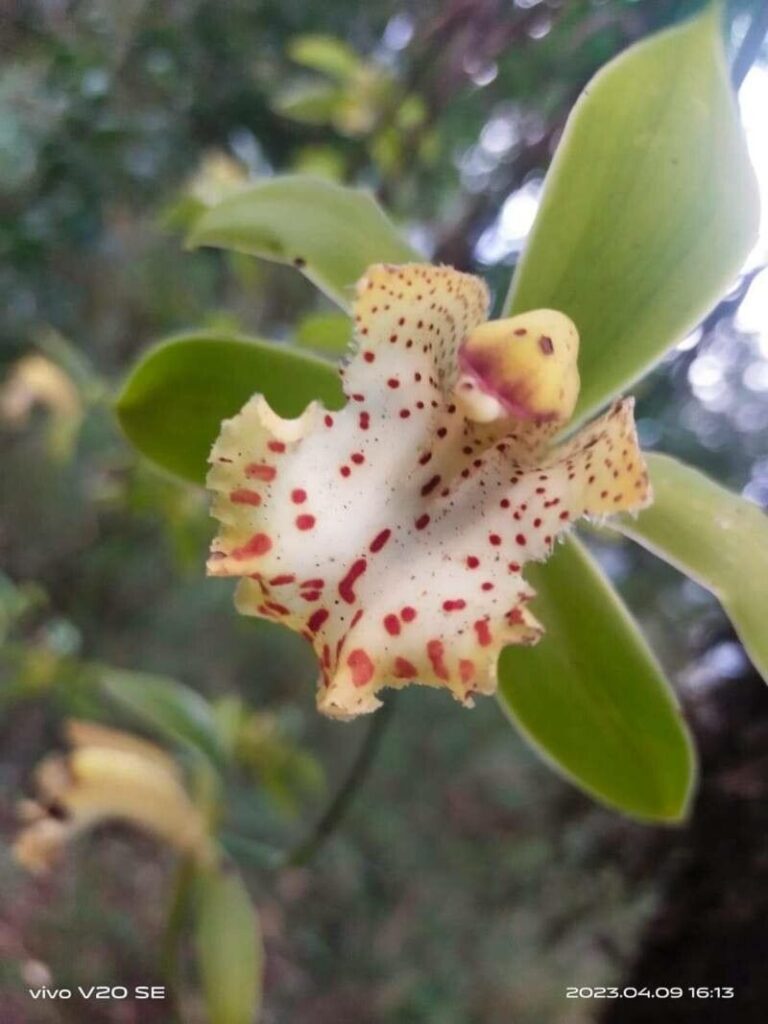
Unlocking the Secrets of Cymbidium hookerianum Propagation: A Guide to Multiplying Your Orchid Oasis
The Cymbidium hookerianum, with its cascading sprays of delicate, intricately patterned blooms, is a sight to behold. This epiphytic orchid, native to the Himalayas, is a prized possession for orchid enthusiasts and novice plant parents alike. And while caring for a mature Cymbidium hookerianum can be relatively straightforward, the prospect of propagating this beauty might seem daunting. Fear not! This guide will demystify the process and equip you with the knowledge to expand your orchid family.
Understanding the Basics
Before diving into techniques, it’s important to understand that Cymbidium hookerianum primarily reproduces through division. Unlike some orchids that readily produce keikis (baby plants on flower spikes), division is the most reliable and common method for this species.
When to Propagate
Timing is everything when it comes to successful propagation. The best time to divide your Cymbidium hookerianum is immediately after it finishes flowering, ideally in spring when the plant is entering its active growing phase.
Gearing Up: Tools You’ll Need
- Sharp, sterilized cutting tool: Pruning shears or a sharp knife will work. Sterilize with rubbing alcohol to prevent infection.
- Clean, sterile pots: Choose pots slightly larger than the divided sections. Good drainage is crucial.
- Orchid potting mix: A well-draining mix specifically formulated for orchids is essential.
- Cinnamon or rooting hormone (optional): Cinnamon acts as a natural antifungal agent, while rooting hormone can encourage faster root development.
The Division Process: A Step-by-Step Guide
- Unpotting: Carefully remove the Cymbidium hookerianum from its pot. Gently loosen the roots and inspect the plant for any diseased or damaged portions. Remove these with your sterilized tool.
- Dividing the Rhizome: The rhizome is the horizontal stem from which the pseudobulbs (thickened stems) and roots grow. Identify sections of the rhizome with at least 3-4 healthy pseudobulbs. Using your sterilized tool, carefully cut through the rhizome to separate these sections.
- Treating the Divisions: Dust all cut surfaces with cinnamon or your chosen rooting hormone to prevent fungal infections.
- Potting the Divisions: Place each division in a new pot, ensuring the base of the pseudobulbs is level with the potting mix surface. Firmly pack the mix around the roots, leaving the top of the rhizome exposed.
- Watering and Aftercare: Water the newly potted divisions thoroughly, allowing excess water to drain. Place them in a location with bright, indirect light and maintain humidity around 50-60%. Avoid overwatering, allowing the potting mix to dry out slightly between waterings.
Patience is Key
Remember, propagating Cymbidium hookerianum is a waiting game. It may take several weeks or even months for the divisions to establish themselves and show new growth. Be patient, provide consistent care, and soon you’ll be rewarded with a thriving collection of these exquisite orchids.
A Final Note
Propagation isn’t just about increasing your plant collection; it’s about understanding and connecting with your plant on a deeper level. Each division represents a continuation of the original, a testament to your care and dedication. So, embrace the process, and watch your Cymbidium hookerianum flourish under your watchful eye!