
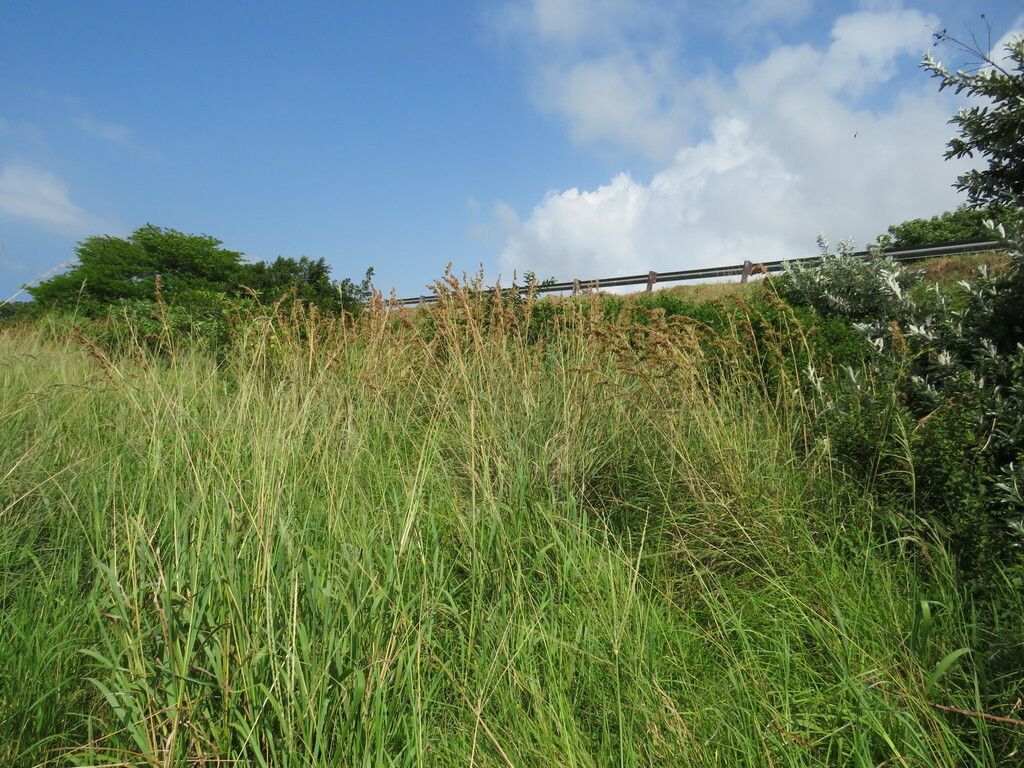
Unlocking the Secrets of Lemongrass’s Cousin: Propagating Cymbopogon caesius
While not as widely known as its famous relative, lemongrass (Cymbopogon citratus), Cymbopogon caesius, also known as gingergrass or Khus grass, boasts a captivating aroma and a host of potential benefits. From its calming essential oil to its erosion-controlling properties, this versatile grass deserves a place in more gardens and homes. If you’re intrigued by the idea of cultivating this fragrant herb, propagation is a great place to start.
Fortunately, propagating Cymbopogon caesius is a relatively straightforward process that can be achieved through two primary methods:
1. Division:
This method is the easiest and most common way to propagate gingergrass. It involves separating an existing clump of grass into smaller sections, each with its own root system.
- Timing is Key: The ideal time for division is during the plant’s active growing season, typically spring or early summer.
- Digging Deep: Gently dig around the base of a mature, healthy clump of Cymbopogon caesius.
- Divide and Conquer: Carefully separate the clump into smaller sections, ensuring each division has a good amount of roots attached. You can use your hands or a sharp, clean knife or spade.
- Replanting: Plant the divisions in well-draining soil, spacing them about 2-3 feet apart. Water thoroughly and provide regular moisture as the plants establish themselves.
2. Seed Propagation:
Propagating Cymbopogon caesius from seed can be a bit more challenging but is equally rewarding.
- Sourcing Your Seeds: Obtain fresh, viable seeds from a reputable supplier or collect them from existing plants if possible.
- Sowing the Seeds: Sow the seeds in a seed-starting mix, lightly pressing them into the surface.
- Light and Warmth: Place the seed tray in a warm, bright location, but out of direct sunlight. Gingergrass seeds require light to germinate.
- Maintaining Moisture: Keep the soil consistently moist but not waterlogged. Use a spray bottle to prevent disturbing the seeds.
- Transplanting Time: Once the seedlings have developed a few sets of true leaves and are large enough to handle, they can be transplanted into individual pots or directly into the garden.
Tips for Success:
- Well-Draining Soil is Crucial: Cymbopogon caesius thrives in well-draining soil. Amend heavy clay soils with compost or other organic matter to improve drainage.
- Sunlight is Key: Choose a planting location that receives at least 6 hours of sunlight daily.
- Water Wisely: Gingergrass prefers moist soil but can be susceptible to root rot if overwatered. Water deeply when the soil feels dry to the touch.
- Pests and Diseases: Cymbopogon caesius is generally pest and disease-resistant. However, keep an eye out for common garden pests and address any issues promptly.
By following these simple steps, you can successfully propagate Cymbopogon caesius and enjoy the beauty and fragrance of this remarkable grass in your own space. Whether you choose division or opt for the challenge of starting from seed, you’ll be rewarded with a plant that offers both aesthetic and practical benefits. Happy propagating!