
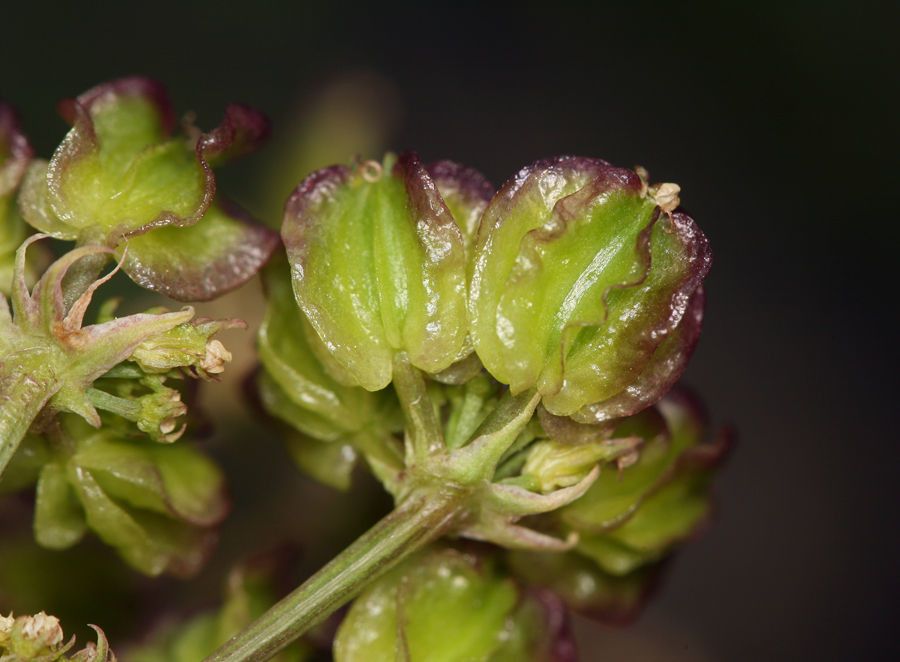
Unlocking the Secrets of Cymopterus Terebinthinus: A Propagation Primer
Cymopterus terebinthinus, also known by the more pronounceable common name “Turpentine Spring Parsley,” might seem like a mouthful, but this fascinating plant with its delicate yellow flowers and fern-like foliage is gaining popularity among native plant enthusiasts. If you’re looking to introduce this unique beauty to your garden, understanding its propagation methods is key.
While not as common in conventional nurseries, Cymopterus terebinthinus can be successfully propagated, and with a little patience and the right techniques, you can enjoy its unique charm for years to come.
Seeds: The Path to Patience
The most reliable method for propagating Cymopterus terebinthinus is through seeds, but be prepared to embrace the virtue of patience. Here’s what you need to know:
- Collection: Harvest mature seeds from existing plants in late spring or early summer. Look for dry, brown seed heads.
- Stratification: Like many native plants, Cymopterus terebinthinus seeds benefit from cold stratification. This process mimics natural winter conditions and breaks their dormancy. Store the seeds in a moist paper towel in your refrigerator for 6-8 weeks.
- Sowing: Sow the stratified seeds in a well-draining seed starting mix, barely covering them with soil. Water gently and maintain a temperature of around 65-70°F (18-21°C).
- Germination: Be patient, as germination can take anywhere from a few weeks to a couple of months.
- Transplanting: Once the seedlings have developed a couple of sets of true leaves, transplant them into individual pots or directly into your garden after the last frost.
Division: Proceed with Caution
While possible, division is a less common and slightly riskier method for propagating Cymopterus terebinthinus. The plant has a deep taproot, making it sensitive to disturbance.
- Timing: If you choose to divide, do so in early spring when the plant is dormant.
- Careful Extraction: Gently dig up the entire plant, ensuring minimal damage to the taproot.
- Division: Carefully divide the plant into sections, ensuring each section has a healthy portion of roots and shoots.
- Replanting: Replant the divisions immediately, watering them in thoroughly.
Essential Growing Conditions for Success
Whether you choose to propagate through seeds or division, providing the right growing conditions is crucial for the success of your Cymopterus terebinthinus:
- Sunlight: Plant in a location that receives full sun to partial shade.
- Soil: Well-draining soil is essential to prevent root rot. Amend heavy clay soils with sand or gravel to improve drainage.
- Water: Water deeply but infrequently, allowing the soil to dry out somewhat between waterings. Once established, Cymopterus terebinthinus is quite drought-tolerant.
- Maintenance: Deadhead spent flowers to encourage a longer blooming period and prevent self-seeding if desired.
Propagating Cymopterus terebinthinus might require a touch more effort than some common garden varieties, but the reward of welcoming this unique and beautiful native plant into your garden is well worth the effort! With some patience and understanding of its needs, you can enjoy the delicate blooms and intriguing foliage of the Turpentine Spring Parsley for years to come.