
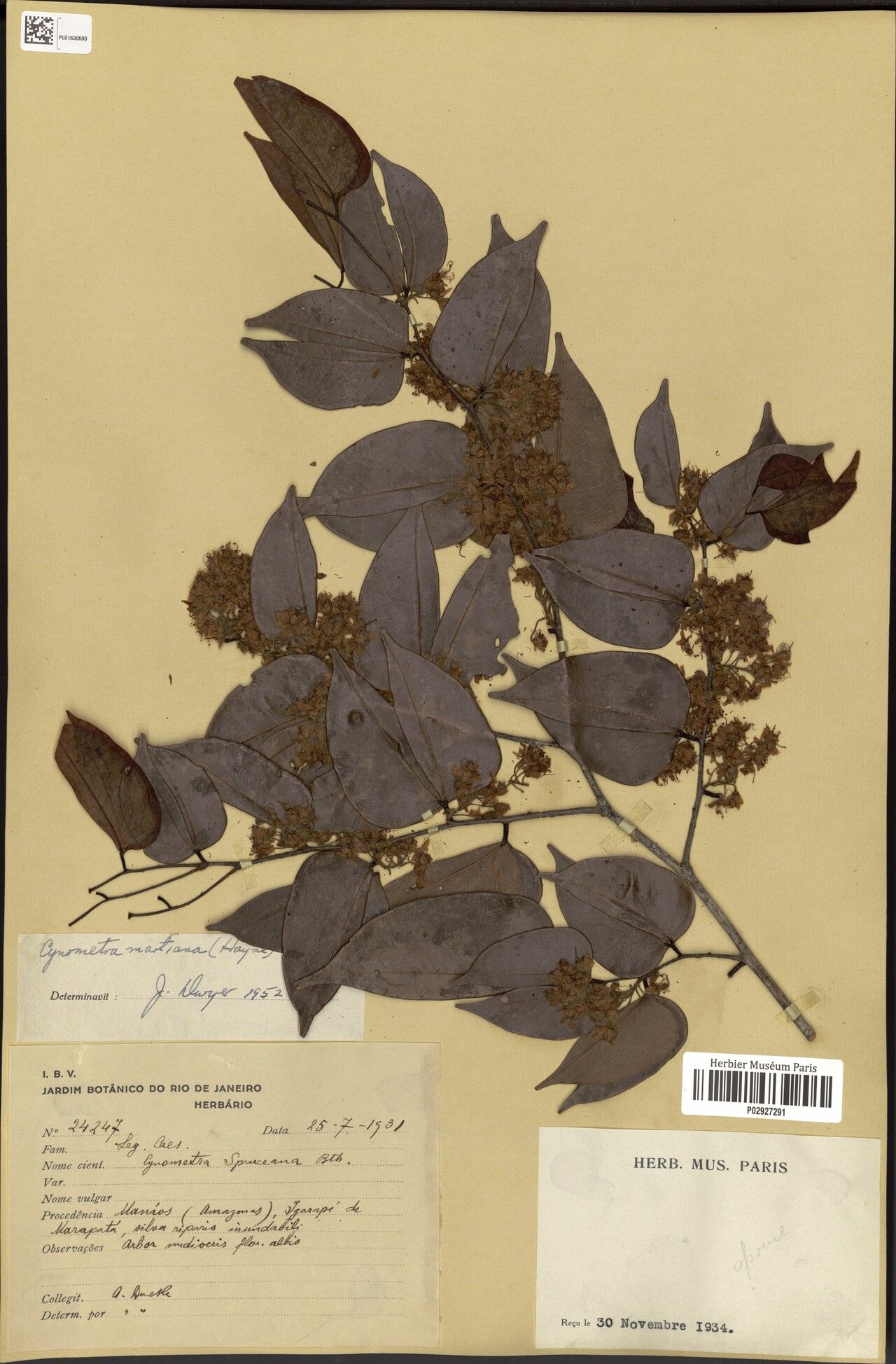
From Seed to Shade: Propagating the Majestic Cynometra Longicuspis
Have you ever gazed upon the elegant, umbrella-like canopy of the Cynometra longicuspis and wished you could bring a piece of its beauty home? This majestic tree, found in the lush tropics, is renowned for its striking foliage and potential for shade. And luckily, with a bit of knowledge and patience, you can propagate this stunning species yourself!
Understanding the Basics: Why Choose Propagation
The Cynometra longicuspis is a species that thrives in warm, humid climates. While it can be acquired from reputable nurseries, propagation allows you to:
- Control the process: Choose healthy, disease-free parent plants to ensure strong genetic material in your new saplings.
- Expand your collection: Share the joy of these trees with fellow plant enthusiasts or propagate additional specimens for your own garden.
- Enjoy a sense of accomplishment: Witnessing a seedling emerge from seed, or a cutting take root, is a rewarding experience for any plant lover.
Two Main Routes: Seeds and Cuttings
1. The Seedling Journey:
- Collecting Seeds: The first step is obtaining ripe Cynometra longicuspis seeds. Look for pods with a distinct brown color, indicating maturity. Seeds can be collected directly from the tree (with permission if it’s not your own) or sourced from a reputable vendor.
- Preparing for Germination: While seeds can be sown directly into a rich, well-draining soil mix, a process called scarification often increases germination success. Scarification involves gently abrading the seed coat to help water and oxygen penetrate. This can be achieved by lightly scoring the seed coat with a sandpaper or rubbing it gently with a rough surface.
- Sowing and Germination: Sow the seeds about half an inch deep in a pot or seed tray filled with a well-drained potting mix. Keep the soil consistently moist, but not waterlogged. Provide a warm environment (around 75-80°F) and indirect sunlight. Germination can take several weeks, so patience is key.
2. Taking Root: Cuttings and Layering
- Softwood Cuttings: Taking cuttings is another effective method. In the late spring or early summer, when new growth is present, select healthy stems with several leaf nodes. Cut these stems about 4-6 inches long using a sharp, clean blade. Remove leaves from the bottom two nodes and dip the cut ends in rooting hormone.
- Soil Preparation: Plant the cuttings in a well-draining potting mix, ensuring that the bottom nodes are buried. Keep the soil uniformly moist and cover the cutting pot with a clear plastic dome or plastic wrap to create a humid environment.
- Layering: A variation of this technique involves layering, where a branch is partially buried in the soil while still attached to the parent plant. This allows roots to develop on the buried part of the branch.
Cultivating Success: The Ongoing Care
Light and Water: Once your seedlings or cuttings have established themselves, they require ample sunlight (at least 6 hours per day) and regular watering, especially during the hot summer months. Allow the soil to dry slightly between waterings to prevent root rot.
Fertilization: Feed your young Cynometra longicuspis with a balanced fertilizer every few weeks during the growing season. This will encourage robust growth and development.
Pruning and Maintenance: As your tree grows, you can prune it to shape its canopy and maintain its desired height. Regular pruning also encourages bushier growth and improves air circulation.
Patience and Perseverance
Propagating Cynometra longicuspis, like any plant, requires a degree of patience and attention. But witnessing the journey from seed to sapling, or cutting to rooted plant, is a rewarding experience for any gardener. So, embrace the process, experiment, and enjoy the journey of nurturing these majestic trees. The beauty of their shade and elegance will undoubtedly be worth every effort.