
Unlocking the Secrets of Cynorkis coccinelloides Propagation: A Guide for Enthusiasts
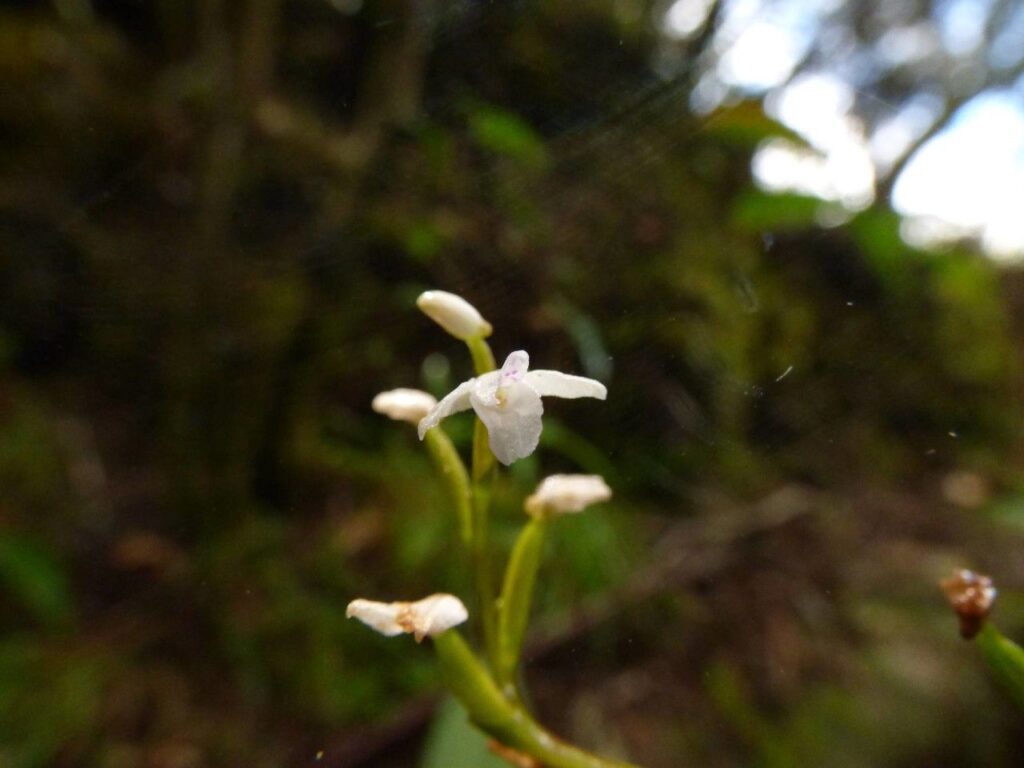
The orchid world is full of captivating species, each with its own unique charm. Among them, Cynorkis coccinelloides, with its vibrant, jewel-toned flowers, holds a special allure for collectors and enthusiasts alike. This terrestrial orchid, native to Madagascar, is renowned for its stunning scarlet blooms that resemble miniature ladybugs, making it a true treasure to cultivate. However, getting your hands on this exquisite beauty can be a challenge, leading many to explore the rewarding, albeit demanding, path of propagation.
This comprehensive guide delves into the intricacies of propagating Cynorkis coccinelloides, providing you with the knowledge and tools to successfully expand your orchid collection.
Understanding the Challenges:
Cynorkis coccinelloides presents unique challenges when it comes to propagation. Unlike some orchid species that readily produce offshoots or keikis, this particular variety primarily reproduces through seeds. Seed propagation, while ultimately rewarding, requires patience, meticulous care, and an understanding of the orchid’s specific needs.
Method 1: Seed Propagation – A Labor of Love
-
Obtaining Seeds: Sourcing viable seeds is the first hurdle. Reputable orchid suppliers or specialized seed banks are your best bet.
-
Creating the Right Environment: Cynorkis coccinelloides seeds are incredibly small and lack the endosperm, a nutritive tissue found in most seeds. This necessitates a symbiotic relationship with a specific mycorrhizal fungus for germination. To replicate this:
- Prepare a sterile, well-draining medium using a mix of finely ground bark, perlite, and sphagnum moss.
- Sow the seeds thinly on the surface, ensuring good contact with the medium.
- Maintain humidity levels close to 100% by using a humidity dome or placing the pot in a sealed plastic bag.
- Provide bright, indirect light and a consistent temperature between 70-75°F (21-24°C).
- Patience is Key: Germination can take several weeks to months. Once germinated, seedlings will require regular watering with distilled or rainwater, as well as periodic fertilization with a diluted orchid fertilizer.
Method 2: Division – A Rare Possibility
While less common, mature Cynorkis coccinelloides plants may occasionally produce offsets or divisions. If you are fortunate enough to have a plant with multiple healthy growths, division can be an option.
-
Timing is Crucial: The ideal time to attempt division is during the plant’s active growing season, typically in spring.
-
Careful Separation: Gently remove the plant from its pot and inspect the base for any potential divisions. Using a sterile, sharp instrument, carefully separate the offsets, ensuring each division has a healthy root system.
- Repotting: Plant each division in a well-draining orchid medium, water thoroughly, and provide the same care guidelines as mentioned for seedlings.
Tips for Success:
- Maintain high humidity levels throughout the propagation process.
- Use only sterile tools and pots to prevent contamination.
- Be patient! Orchid propagation, especially from seed, is a slow process.
Successfully propagating Cynorkis coccinelloides is a rewarding achievement for any orchid enthusiast. With dedication, the right knowledge, and a touch of green thumb magic, you can nurture these captivating orchids and contribute to the preservation of this beautiful species.