
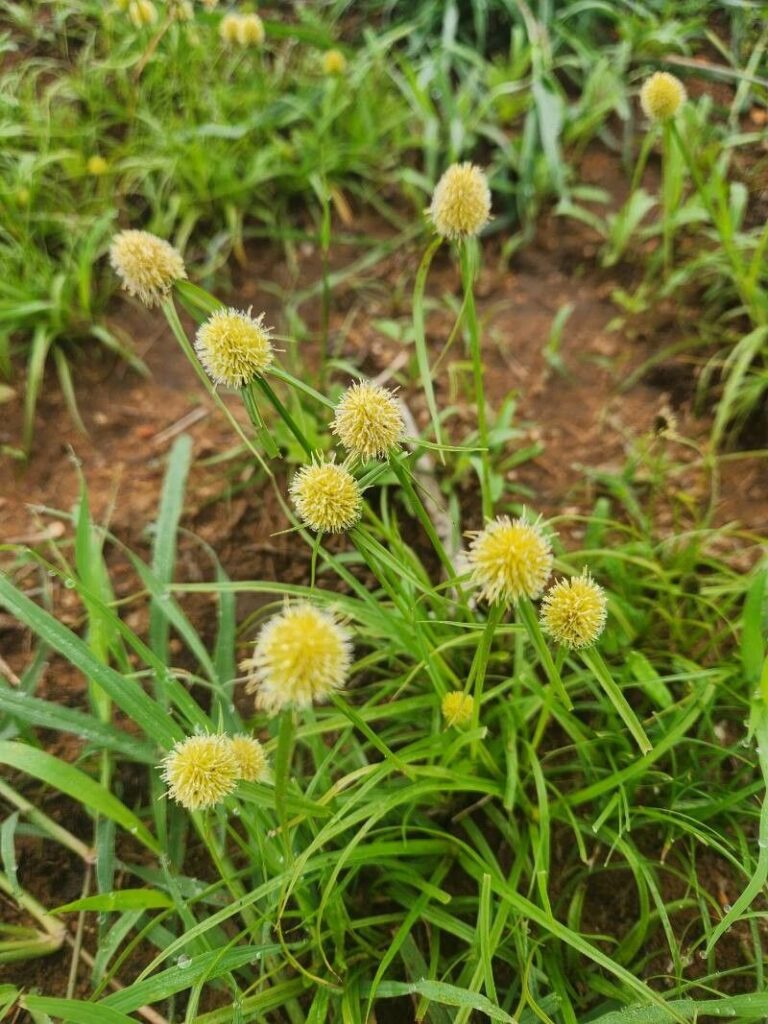
Unlocking the Secrets to Multiply Your Cyperus Costatus: A Beginner’s Guide to Propagation
The Cyperus costatus, also known as the Costate Flatsedge, is a charming and versatile plant gaining popularity among indoor plant enthusiasts. With its elegant, grass-like foliage and low-maintenance nature, it’s a wonderful addition to any home or garden. But did you know that propagating this beauty is surprisingly easy? That’s right, multiplying your Cyperus costatus is well within reach, even for beginners. Let’s delve into the fascinating world of plant propagation and explore the different methods for multiplying your very own Costate Flatsedge.
Understanding the Basics: What is Propagation?
In the simplest terms, propagation is the process of creating new plants from existing ones. It’s like giving your beloved plant a chance to have babies! This can be achieved through various techniques, each with its own advantages.
Methods for Propagating Cyperus Costatus:
While Cyperus costatus doesn’t typically propagate from leaf cuttings, two main methods guarantee success:
1. Division:
This is the most straightforward and often most successful method for propagating Cyperus costatus. Here’s how it’s done:
- Timing: Spring or early summer is ideal, as the plant is actively growing.
- What you need: A sharp, clean knife or shears, fresh potting mix, and pots with good drainage.
- Steps:
- Gently remove the mother plant from its pot.
- Look for natural divisions in the root ball where multiple plantlets have grown.
- Carefully separate the desired number of plantlets, ensuring each division has a healthy root system and a few shoots.
- Plant the divisions in individual pots with fresh potting mix, watering them thoroughly.
2. Seed Propagation (Slightly More Advanced):
If you’re feeling adventurous, you can also try your hand at propagating Cyperus costatus from seeds. However, keep in mind that finding viable seeds might be tricky, and this method requires a bit more patience.
- Sourcing Seeds: Look for reputable online seed retailers or collect ripe seed heads from your existing plant (if you can get them before they disperse).
- Sowing: Lightly press seeds into a seed-starting mix and keep them consistently moist and warm. It may take several weeks for germination to occur.
- Transplanting: Once seedlings are large enough to handle, carefully transplant them into individual pots.
Caring for Your New Propagations:
- Light: Place in bright, indirect light. Avoid direct sunlight, as it can scorch the delicate leaves.
- Watering: Keep the soil consistently moist but not soggy. Water when the top inch of soil feels dry to the touch.
- Humidity: Cyperus costatus enjoys slightly higher humidity than some other houseplants. Consider misting them regularly or placing the pots on a tray filled with pebbles and water.
- Fertilizing: Feed your plants with a balanced liquid fertilizer diluted to half strength once a month during the growing season (spring and summer).
Patience is Key:
Remember that plant propagation, while rewarding, is a process that requires patience. Not all attempts may be successful, but with practice and attention to detail, you’ll increase your chances of success.
Propagating Cyperus costatus is incredibly rewarding and a great way to expand your plant family. So why not roll up your sleeves, get your hands a little dirty, and experience the joy of growing new plants from your existing ones? You might be surprised at how easy and satisfying it can be!