
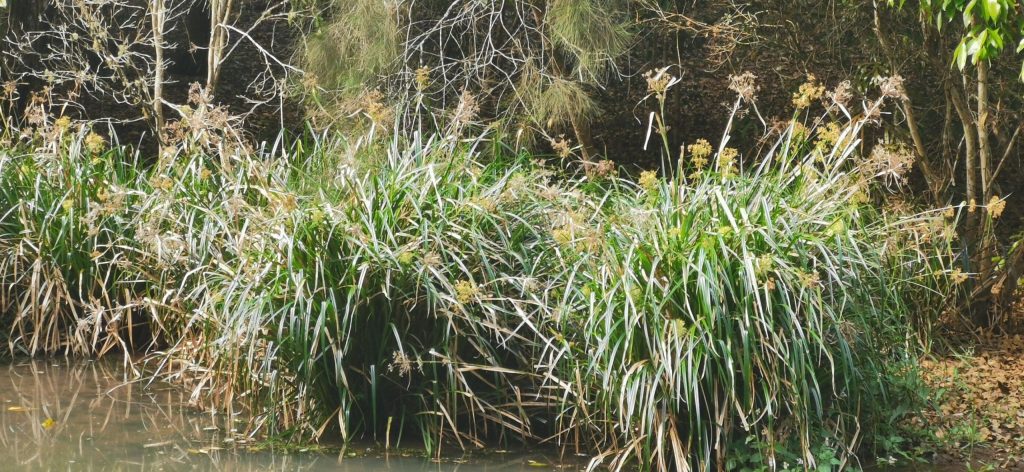
Propagating Cyperus dives: A Gardener’s Guide to the Umbrella Sedge
Introduction:
Cyperus dives, commonly known as the umbrella sedge, is a captivating ornamental grass appreciated for its striking, umbrella-like flower heads and its lush, vibrant green foliage. Its clump-forming habit and tolerance of moist conditions make it a popular choice for water gardens, bog gardens, and even as a container plant. While its striking appearance makes it a desirable addition to any garden, propagating Cyperus dives can present some unique challenges. This article explores various propagation methods, outlining their feasibility and offering practical advice.
Seed Germination:
Currently, there are no known reliable methods for seed germination propagation of Cyperus dives. While the plant does produce seeds, their viability and germination rate are reportedly extremely low, making seed propagation impractical for most gardeners. Further research into specific germination requirements might be needed to establish a successful seed-based propagation method.
Cuttings:
Cuttings are a more promising method for propagating Cyperus dives.
Challenges: Rooting cuttings can be slow and inconsistent. The success rate depends significantly on environmental conditions and the exact technique employed.
Practical Tips: Take stem cuttings in spring or early summer from healthy, actively growing shoots. Each cutting should be 4-6 inches long, with several nodes. Remove lower leaves to prevent rot and dip the cut ends in a rooting hormone powder. Plant the cuttings in a moist, well-draining potting mix, ensuring good humidity (e.g., using a propagation dome). Maintain consistently warm temperatures (around 70-75°F) and adequate light, but avoid direct sunlight.
Rewards: Successful rooting of cuttings provides a relatively easy method for quickly increasing your stock of Cyperus dives, preserving the genetic characteristics of the parent plant.
Division:
Division is arguably the most reliable and commonly used method for propagating Cyperus dives.
Challenges: Dividing the clumps requires care to avoid damaging the roots, which can hinder establishment. Clumps that are too small might not survive the division process.
Practical Tips: The best time to divide is in spring or early autumn. Gently lift the clump from the ground and carefully separate it into smaller sections, ensuring each section has its own healthy roots and several shoots. Replant the divisions immediately in moist, fertile soil, ensuring appropriate spacing based on the mature size of the plant.
Rewards: Division is simple, efficient, and consistently yields successful results. It’s ideal for maintaining and expanding existing plants.
Tissue Culture:
Tissue culture offers the potential for large-scale propagation of Cyperus dives, producing many genetically identical plants from a small sample.
Challenges: Tissue culture requires specialized equipment, aseptic conditions, and considerable expertise. It’s significantly more complex and expensive than other methods.
Practical Tips: This technique is best left to laboratories or experienced horticulturalists specializing in tissue culture propagation. Sterile techniques are critical to avoid contamination.
Rewards: Tissue culture allows for the rapid production of many genetically identical plants, which is advantageous for commercial propagation or for preserving specific cultivars.
Conclusion:
While seed propagation is currently unsuccessful, both cuttings and division offer viable and relatively straightforward methods for propagating Cyperus dives. Division is arguably the most reliable and accessible approach for home gardeners. Tissue culture represents a more advanced technique, suitable for larger-scale operations. Despite the challenges involved, the reward of successfully cultivating this striking plant is well worth the effort. The satisfaction of nurturing a small division into a flourishing clump, or seeing cuttings develop their own roots, is a testament to the rewarding nature of plant propagation. So, choose your method, follow the guidance provided, and enjoy the journey of successfully cultivating your own Cyperus dives!