
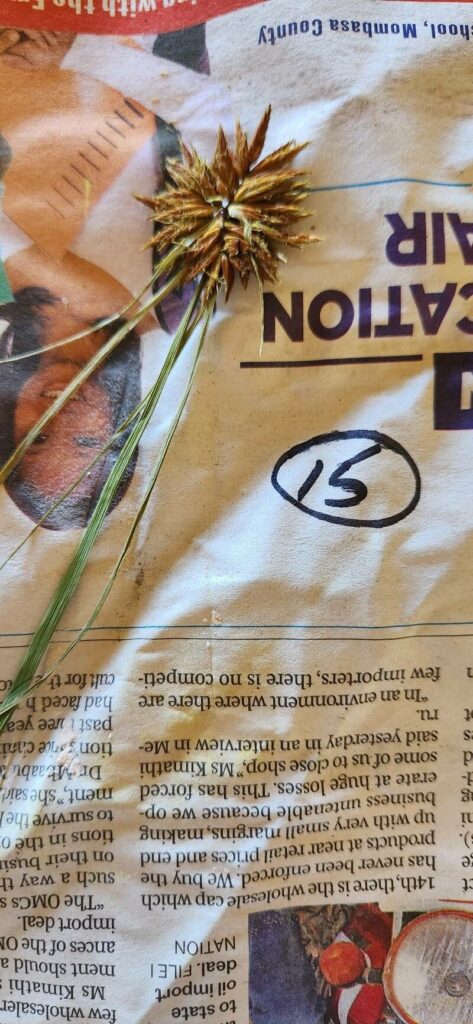
Multiply Your Majestic Papyrus: A Guide to Propagating Cyperus Grandibulbosus
Cyperus Grandibulbosus, commonly known as the Umbrella Plant or Papyrus, brings a touch of the exotic to any space with its graceful, arching stems and captivating umbrella-like foliage. If you’re smitten with this architectural wonder, you’ll be thrilled to know that propagating it is surprisingly easy!
There are two primary methods for multiplying your Cyperus Grandibulbosus: division and seed propagation. Let’s delve into each technique:
1. Division: The Simplest Route to New Plants
Division is the easiest and most reliable method for propagating Cyperus Grandibulbosus, especially for beginners. Here’s how to do it:
Timing: Spring is ideal as the plant is actively growing.
Steps:
- Prepare: Choose a healthy, mature plant. Fill a pot or container with a soil mix that retains moisture well, such as a combination of peat moss, loam, and sand.
- Divide: Gently remove the plant from its existing pot. Using your fingers or a clean, sharp knife, divide the root ball into sections. Ensure each section has a good clump of roots and at least one stem.
- Repot: Plant the divided sections into the prepared pots, ensuring the crown (where the stems meet the roots) sits slightly above the soil line.
- Water well: Thoroughly water the newly potted divisions and place them in a bright location, but out of direct sunlight.
Pro Tip: For bushier plants, divide your Cyperus every 2-3 years.
2. Seed Propagation: A Touch of Patience Required
While slightly more challenging than division, propagating Cyperus Grandibulbosus from seed is rewarding and offers a chance to witness the plant’s entire life cycle.
Timing: Start seeds indoors in late winter or early spring.
Steps:
- Source seeds: Purchase seeds from a reputable supplier or collect them from mature plants.
- Sow the seeds: Fill a seed tray with a seed starting mix and sow the seeds thinly on the surface. Lightly press them down.
- Moisture is key: Mist the seeds gently with water and cover the tray with a plastic dome or wrap to maintain humidity.
- Light and warmth: Place the tray in a bright location, but out of direct sunlight, with a temperature around 70-75°F.
- Germination: Be patient, as germination can take several weeks.
- Transplanting: Once the seedlings have developed a few true leaves, transplant them into individual pots filled with a well-draining potting mix.
Ongoing Care for Your Propagated Papyrus
Once you’ve successfully propagated your Cyperus Grandibulbosus, follow these care tips to help it thrive:
- Light: Bright, indirect light is ideal. Some direct morning sun is beneficial.
- Water: Keep the soil consistently moist, but not waterlogged. These plants enjoy boggy conditions. Placing the pot in a tray filled with water is a great way to maintain moisture.
- Humidity: Although tolerant of average humidity, your Papyrus will appreciate regular misting, especially during dry periods.
- Fertilizer: Feed with a balanced liquid fertilizer diluted to half strength every two weeks during the growing season (spring and summer).
Propagation: A Rewarding Journey with Your Papyrus
Whether you choose division or seed propagation, multiplying your Cyperus Grandibulbosus is an enriching experience. With a touch of care and attention, you’ll soon have an abundance of these architectural beauties gracing your home!