
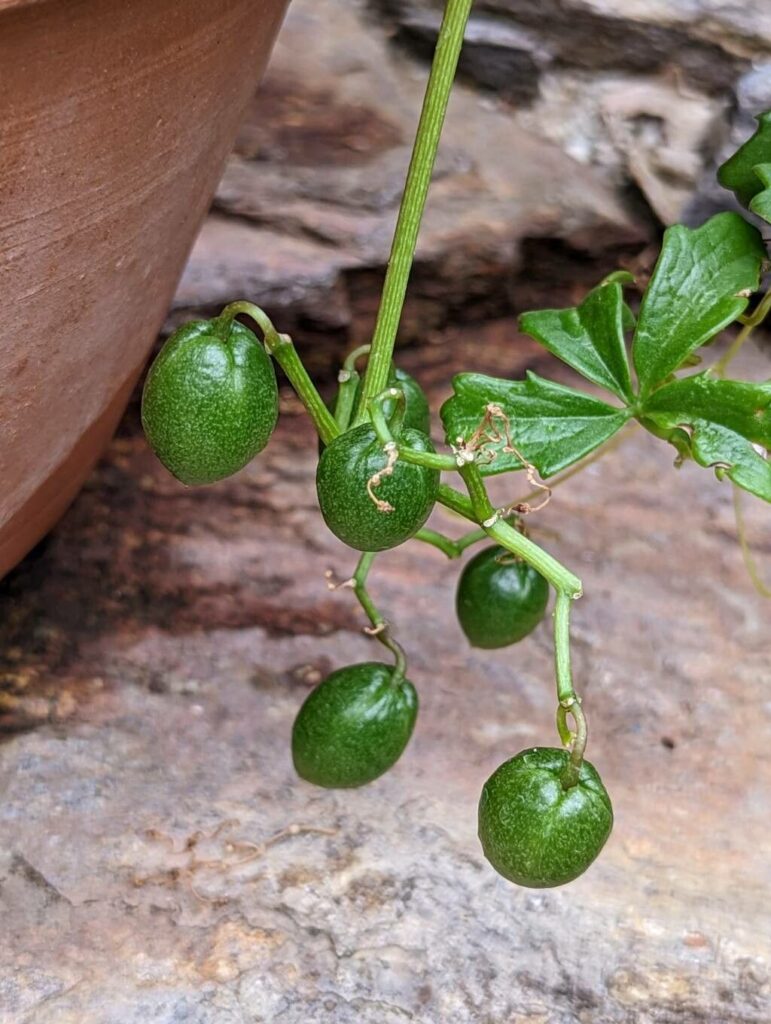
Taming the Wild Grape: A Guide to Propagating Cyphostemma quinatum
The Cyphostemma quinatum, also known as the “wild grape” or “tree grape,” is a fascinating succulent vine native to southern Africa. This unique plant, with its swollen, water-storing base (caudex), vibrant green foliage, and delicate flowers, can add a touch of the exotic to any plant lover’s collection. But how do you go about adding this captivating species to your own home? Here’s a deep dive into the world of Cyphostemma quinatum propagation, empowering you to grow your own from scratch.
Understanding the Basics:
Cyphostemma quinatum, being a caudiciform plant, stores water in its base, allowing it to survive harsh, arid conditions. This unique adaptation also influences its propagation methods, making it slightly different from your average houseplant. You can propagate this beauty through two primary methods:
-
- Source: Procure fresh Cyphostemma quinatum seeds from a reputable online seller or a local nursery specializing in succulents.
- Process:
- Sow the seeds in a well-draining soil mix formulated for cacti and succulents.
- Lightly press the seeds onto the surface and cover them with a thin layer of vermiculite.
- Mist the soil thoroughly and maintain humidity by covering the pot with plastic wrap or using a humidity dome.
- Place the pot in a warm, bright location, out of direct sunlight. Germination typically takes 2-4 weeks.
- Pros: Affordability and the rewarding experience of starting from scratch.
- Cons: Longer germination times and a potentially lower success rate compared to cuttings.
-
Cutting Propagation:
- Source: Take cuttings from a healthy, established Cyphostemma quinatum plant during the active growing season (spring or early summer).
- Process:
- Use a clean, sharp knife or pruning shears to take a cutting about 4-6 inches long. Ensure the cutting includes at least one node (where leaves emerge).
- Allow the cutting to callus over for about a week in a dry, shaded area.
- Once callused, dip the cut end in rooting hormone (optional) and plant it in a well-draining potting mix.
- Water sparingly and place the pot in a warm, bright location, out of direct sunlight. Roots should develop within 4-6 weeks.
- Pros: Higher success rate, quicker results, and the propagated plant will retain the characteristics of the parent plant.
- Cons: Requires access to an existing plant and might be less cost-effective if purchasing cuttings.
Care Tips for Success:
Regardless of your chosen propagation method, remember these essential tips to boost your success rate:
- Well-draining Soil: Use a soil mix formulated for cacti and succulents to prevent root rot.
- Light: Provide bright, indirect light. Avoid intense, direct sunlight, especially for young plants, to prevent scorching.
- Water: Water deeply but infrequently, allowing the soil to dry out completely between waterings. Reduce watering during the winter dormancy period.
- Temperature & Humidity: Cyphostemma quinatum thrives in warm temperatures (65-80°F or 18-27°C) with moderate humidity.
Propagating Cyphostemma quinatum is an engaging and rewarding experience for plant enthusiasts of all levels. With a little patience and the right techniques, you can successfully expand your collection and enjoy the unique beauty of this remarkable plant. So, why not embark on this rewarding journey and bring a touch of the African wilderness into your home?