
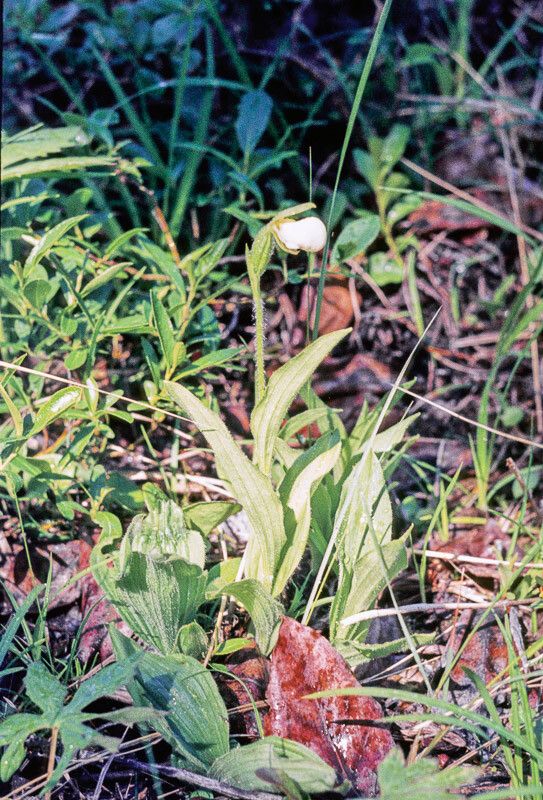
Taming the Wild Orchid: Propagating the Elusive Cypripedium passerinum
The Sparrow’s Egg Lady’s Slipper, or Cypripedium passerinum, is a captivating wild orchid with delicate white blooms reminiscent of its namesake. While admiring its beauty in the wild is a joy, some orchid enthusiasts long to cultivate this rare plant. Propagating Cypripedium passerinum is no easy feat, demanding patience and precision, but the reward of seeing this unique orchid thrive under your care is truly special.
Understanding the Challenges:
Before delving into propagation techniques, it’s crucial to understand the challenges associated with Cypripedium passerinum:
- Slow Growth: Like many orchids, C. passerinum is notoriously slow-growing, often taking several years to reach flowering maturity from seed.
- Specific Mycorrhizal Relationships: These orchids rely heavily on symbiotic fungi (mycorrhizae) in the soil for nutrient uptake. Replicating this delicate balance in a cultivated setting is crucial for their survival.
- Ethical Considerations: C. passerinum is considered rare or endangered in some areas. It’s crucial to obtain plants or seeds from reputable sources specializing in ethical, sustainable propagation practices. Never collect specimens from the wild.
Propagation Techniques:
Seed Germination (In Vitro): Due to the complex mycorrhizal needs, C. passerinum seed germination is best achieved in a controlled, sterile environment (in vitro). This involves:
- Surface sterilizing seeds to eliminate competing fungi.
- Sowing seeds on a specialized nutrient medium formulated for orchid germination.
- Incubating the seeds under specific temperature and light conditions.
- This method requires specialized equipment and knowledge.
- Division (For Established Plants):
- If you have access to a mature, healthy C. passerinum plant, division is possible but must be done with extreme caution.
- Divide during the plant’s dormant season, ensuring each division has a healthy root system and at least one growth point.
- Replant divisions in a well-draining, acidic soil mix mimicking the plant’s natural habitat.
Creating the Ideal Environment:
Successful C. passerinum cultivation hinges on mimicking its natural growing conditions as closely as possible:
- Soil: A well-draining, acidic soil mix is essential. A blend of peat moss, perlite, vermiculite, and composted bark can create a suitable substrate.
- Light: C. passerinum prefers dappled shade or indirect sunlight. Avoid harsh, direct sun.
- Water: Maintaining consistent moisture is key. Water regularly, allowing the soil to slightly dry out between waterings. Avoid overwatering, which can lead to root rot.
- Temperature and Humidity: These orchids prefer cool temperatures and moderate humidity.
The Reward of Patience:
Propagating Cypripedium passerinum is an undertaking that requires dedication and a deep understanding of this unique orchid’s needs. However, the reward of witnessing this delicate beauty thrive under your care, blooming year after year, makes the journey well worth the effort. Remember, responsible cultivation practices and conservation efforts are key to ensuring the long-term survival of this stunning wild orchid for generations to come.