
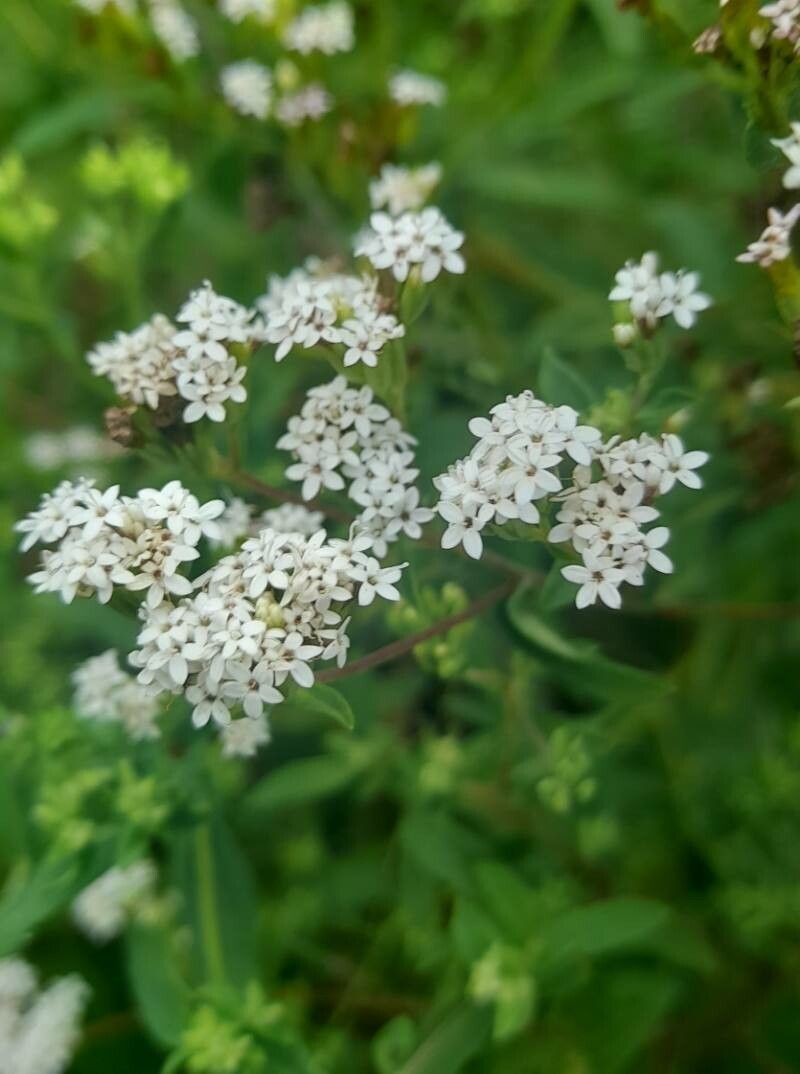
Sweet Success: Unlocking the Secrets to Propagating Stevia Jujuyensis
Stevia rebaudiana might be the rockstar of the stevia world, but are you ready to meet its cousin, Stevia jujuyensis? This South American native packs the same incredible sweetness, with some added advantages for the home gardener. Intrigued? Let’s dive into the world of propagating Stevia jujuyensis and learn how you can welcome this sugar-alternative powerhouse into your garden.
Why Propagate Stevia Jujuyensis?
Before we get our hands dirty, let’s talk about the “why.” While you can purchase established Stevia jujuyensis plants, propagation offers some enticing benefits:
- Cost-Effectiveness: Starting plants from seeds or cuttings is significantly cheaper than buying mature ones, especially if you’re looking to grow several plants.
- Sense of Accomplishment: Witnessing the life cycle of a plant from propagation to harvest is immensely rewarding and deepens your connection with nature.
- Guaranteed Variety: Propagation ensures you get the specific Stevia jujuyensis variety you desire, especially if you saved seeds from an exceptional plant.
The Propagation Pathways: Seeds vs. Cuttings
Propagating Stevia jujuyensis can be achieved through two main methods:
1. Seeds: A Test of Patience
- Pros: Seeds are a cost-effective way to start a large number of plants.
Cons: Stevia jujuyensis seeds have notoriously low germination rates and require meticulous care. They also don’t guarantee identical traits to the parent plant.
How to propagate Stevia Jujuyensis from seed:
- Start Early: Begin the process indoors 8-10 weeks before the last expected frost.
- Light is Key: Sow seeds on the surface of a well-draining seed starting mix and DO NOT bury them; they require light to germinate.
- Warmth and Moisture: Provide bottom heat (around 70-75°F) and keep the soil consistently moist, misting with a spray bottle to avoid disturbing the seeds.
- Patience is a Virtue: Germination can take anywhere from 2 weeks to 2 months.
- Transplant with Care: Once seedlings have at least two sets of true leaves, transplant them into individual pots or outdoors after the danger of frost has passed.
2. Cuttings: A Faster, More Reliable Path
- Pros: Cuttings offer a much higher success rate and produce plants identical to the parent plant.
- Cons: You need access to a healthy Stevia jujuyensis plant to take cuttings.
How to propagate Stevia Jujuyensis from cuttings:
1. **Timing is Everything:** Take cuttings in the spring or early summer from new growth.
2. **Select Wisely:** Choose healthy, non-flowering stems that are about 4-6 inches long.
3. **Prepare the Cutting:** Remove the lower leaves, leaving 2-3 pairs at the top.
4. **Hormone Help (Optional):** Dipping the cut end in rooting hormone can speed up the process.
5. **Plant with Purpose:**  Insert the cuttings into a well-draining potting mix, burying at least one node below the surface.
6. **Create a Humid Environment:** Cover the pot with a plastic bag or use a humidity dome to maintain moisture.
7. **Monitor and Care:** Keep the soil consistently moist but not soggy.  New growth indicates successful rooting (usually within a few weeks).
8. **Transplant and Thrive:** Once roots are established, transplant the cuttings to larger pots or your garden.
Whichever propagation method you choose, remember Stevia jujuyensis prefers:
- Well-drained soil
- Full sun to partial shade
- Regular watering (allowing the soil to dry slightly between waterings)
With a little patience and the right techniques, you can enjoy the naturally sweet rewards of growing your own Stevia jujuyensis – a testament to your green thumb and a delicious addition to your healthy lifestyle!