
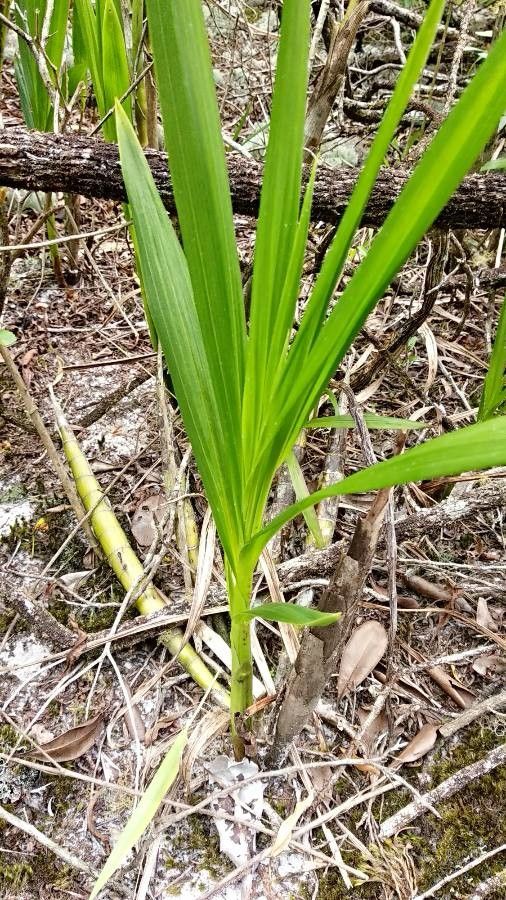
From One to Many: Propagating the Majestic Cyrtopodium palmifrons
The Cyrtopodium palmifrons, with its captivating, fan-shaped leaves and vibrant blooms, is a true showstopper in the orchid world. But have you ever wondered how to expand your own collection of these magnificent plants?
Luckily, propagating Cytropodium palmifrons is a rewarding and surprisingly achievable endeavor, even for beginner growers.
Let’s dive into the fascinating world of orchid propagation with specific focus on this particular species.
Understanding Cyrtopodium palmifrons Reproduction
Unlike some orchids, Cyrtopodium palmifrons doesn’t readily produce seed pods. So, how does it grow? This majestic orchid relies primarily on vegetative propagation – essentially, creating new plants from existing parts.
Methods of Propagation
There are two primary methods for propagating Cyrtopodium palmifrons:
1. Division
This method is the most common and often the most successful. The process involves carefully separating the plant into multiple sections, each containing healthy roots and a portion of the rhizome (the creeping stem). Here’s a quick guide:
- Timing: Best done during the active growth period after flowering.
- Preparation: Gently remove the plant from its pot and carefully detangle the roots.
- Divide: Identify healthy growth points with their own root system. Use a sharp, sterilized knife to cut the rhizome.
- Repotting: Plant each division into its own pot, ensuring adequate drainage.
- Watering: Water sparingly initially.
2. Keiki Propagation
Keiki (pronounced “kay-kee”) are small, plantlets that often develop on the flower stalk or rhizome of an orchid. While this occurrence is less frequent in Cyrtopodium palmifrons, it’s still a viable method:
- Identification: Look for small, developing plants with their own root systems.
- Separation: Gently cut the keiki from the mother plant, ensuring that the roots remain intact.
- Potting: Plant the keiki in a suitable potting medium.
- Care: Provide the same care as established plants.
Tips for Successful Propagation
- Sterilization: Ensure all tools are clean to prevent the spread of disease.
- Temperature and Humidity: Provide warm temperatures (70-85°F) and high humidity (60-80%) for optimal growth.
- Light: Cyrtopodium palmifrons thrives in bright, indirect light.
- Watering: Water thoroughly, but allow the potting mix to dry slightly between waterings.
Growth and Patience:
Propagation takes time and commitment. Be patient as your new plants establish themselves. You’ll be rewarded with the beautiful, vibrant growth of Cyrtopodium palmifrons over time.
Conclusion
Propagating Cyrtopodium palmifrons is an exciting journey for any orchid enthusiast. By understanding the methods, providing appropriate care, and embracing the patience needed for healthy growth, you can cultivate a collection of these magnificent orchids, sharing their beauty with others and enriching your home garden with their tropical charm. And who knows, maybe you’ll even have a bloom or two to share!