
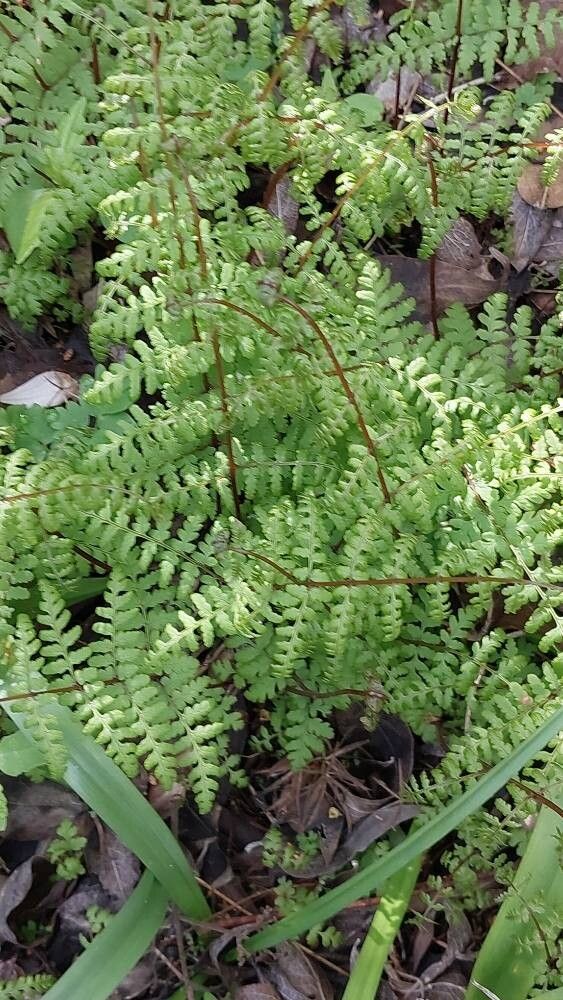
Propagating the Bulbiferous Bladder Fern: Challenges and Rewards
Introduction:
Cystopteris bulbifera, commonly known as the bulbiferous bladder fern, is a charming, delicate fern prized for its characteristically delicate, light green fronds and, uniquely, the bulbils that develop along its stipes (the stalks of the fronds). These bulbils are tiny plantlets that readily detach and form new ferns, making propagation arguably easier than with many other fern species. However, despite this advantage, propagating Cystopteris bulbifera presents unique challenges, particularly when relying on methods besides bulbil propagation. Its popularity amongst fern enthusiasts stems from its resilience, adaptability to shade, and the ease of propagation via its vegetative means.
Seed Germination:
Currently, there are no known reliable methods for seed germination propagation of Cystopteris bulbifera. The production of viable spores is often low by nature of the species. Also, even when spores are produced, their germination rates are exceptionally low, requiring highly specialized conditions that are rarely achievable by the average home propagator.
Cuttings:
Cuttings are not a viable method for propagating Cystopteris bulbifera. Ferns do not propagate from stem or leaf cuttings in the same way that many flowering plants do. Their vascular systems and growth patterns differ significantly, requiring the presence of a rhizome or other actively growing tissues that are not readily available via fragmentation.
Division:
Division is a relatively successful method for propagating Cystopteris bulbifera.
- Challenges: The best time to divide is during the spring, just as new growth emerges. Care must be taken to avoid damaging the delicate rhizomes. Each division should ideally possess multiple fronds and a healthy section of rhizome, attached bulbils are a bonus.
- Tips: Use a sharp, clean knife or spade to divide the rhizome. Plant the divisions promptly in well-draining, moist soil. Keep the newly divided ferns shaded and consistently moist until established.
- Rewards: Division offers a relatively quick and straightforward method for increasing the number of Cystopteris bulbifera plants. It maintains the genetic characteristics of the parent plant, making it ideal for preserving desirable traits.
Tissue Culture:
Tissue culture could theoretically be used to propagate Cystopteris bulbifera.
- Challenges: Tissue culture requires specialized equipment, sterile techniques, and a considerable amount of knowledge. The success rate depends heavily on the expertise of the propagator, and the process can be more time-consuming and expensive for home growers than simple bulbil separation.
- Tips: This procedure is generally handled in professional laboratories and therefore detailed tips are outside the scope of this article.
- Rewards: Tissue culture allows for the large-scale propagation of genetically identical plants, a highly controlled environment removing risks and uncertainties associated with traditional methods. It is ideal for mass production of this and other valuable fern varieties.
Conclusion:
While seed germination and cuttings are not viable methods for propagating Cystopteris bulbifera, division using the mature plant is relatively straightforward, making it a plant accessible for the average gardener. Tissue culture offers the potential for large-scale propagation, but is only realistically achievable for professionals or well-equipped enthusiasts. The most rewarding, and arguably easiest, method remains the utilization of the bulbils that naturally form on the fronds. Watching these tiny plantlets develop into full-fledged ferns is incredibly satisfying. The challenges associated with other propagation methods underscore the unique appeal of successfully cultivating this beautiful fern. For aspiring propagators, start with division – it’s a great introduction to the world of fern propagation – and then, if you’re up for it, explore the magic of the bulbils. The patience and care required will be richly rewarded by the lush beauty of these fascinating and easily multiplied plants.