
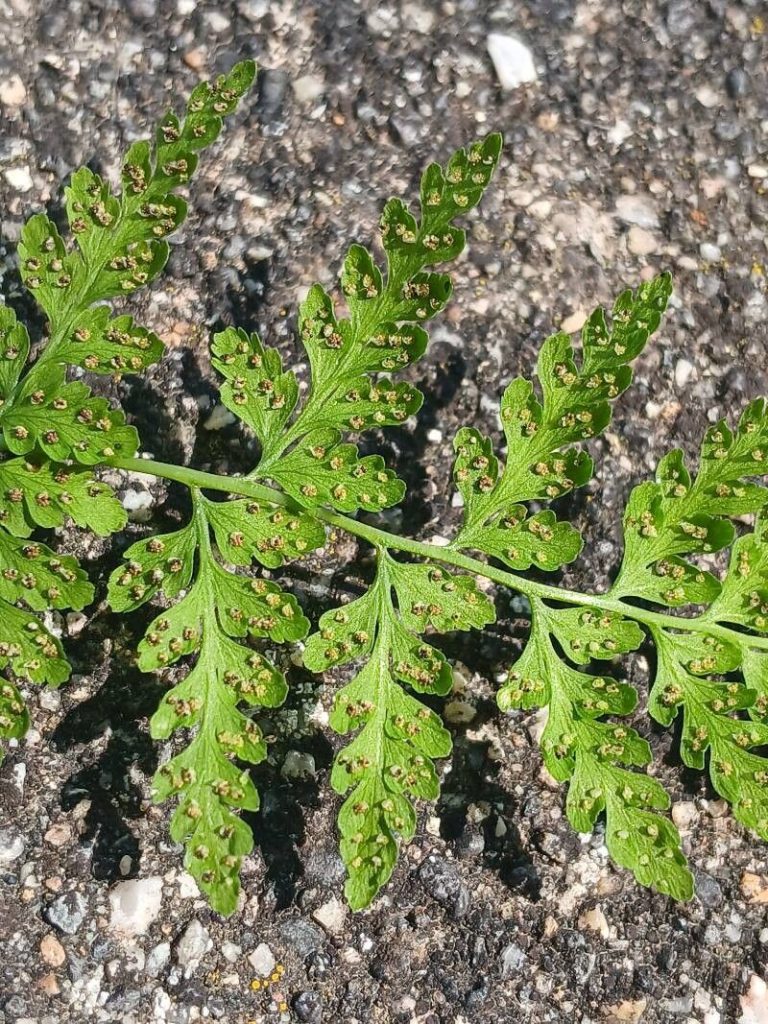
Propagating the Brittle Bladder Fern (Cystopteris fragilis): A Gardener’s Guide
Introduction:
Cystopteris fragilis, commonly known as the Brittle Bladder Fern, is a charming, delicate fern prized for its finely dissected, light green fronds and its ability to thrive in shady, moist conditions. Its adaptability makes it a popular choice among gardeners seeking to add texture and elegance to rock gardens, woodland borders, or even container plantings. However, propagating this fern presents unique challenges, as its reproductive strategies aren’t as straightforward as some other garden plants. The rewards, however, are well worth the effort for those willing to invest the time and patience.
Seed Germination:
Currently, there are no known reliable methods for seed germination propagation of Cystopteris fragilis. While the fern does produce spores, their germination rates are exceptionally low, and successful cultivation from spore to mature plant is rarely achieved by amateur gardeners. The minute size of the spores and their exacting environmental needs contribute to this difficulty.
Cuttings:
Cuttings are also not a viable method for propagating Cystopteris fragilis. Unlike some other ferns that can be propagated from stem or rhizome cuttings, this species does not readily regenerate from such fragments. Attempts at rooting cuttings generally result in failure.
Division:
Division is the most reliable and practical method for propagating Cystopteris fragilis. This involves separating the established plant’s rhizomes into smaller sections, each containing several healthy fronds and a portion of the root system.
- Challenges: The delicate nature of the rhizomes requires careful handling to avoid damage. Improper division can easily lead to the death of the parent plant and the newly divided portions.
- Practical Tips: Division is best performed in early spring or late autumn when the plant is dormant. Use a sharp, clean knife or spade to carefully separate the rhizomes. Ensure each division has sufficient root mass and at least 3-4 healthy fronds. Plant the divisions in well-drained, moist soil in a shady location. Water regularly until the plants are established.
- Rewards: Division offers a relatively straightforward way to increase the number of plants while maintaining the genetic characteristics of the parent plant. It allows for quick multiplication, especially for gardeners with mature specimens.
Tissue Culture:
Tissue culture could potentially be employed for Cystopteris fragilis propagation, but it requires specialized equipment, sterile conditions, and a thorough understanding of plant tissue culture techniques. This method is generally not feasible for the home gardener.
- Challenges: Establishing sterile cultures, finding appropriate growth media, and maintaining aseptic conditions are significant hurdles.
- Practical Tips: This method is best left to specialized nurseries or research labs with the facilities and expertise.
- Rewards: Tissue culture offers the possibility of large-scale propagation of uniform genetic material, disease-free plants, and conservation efforts for rarer varieties.
Conclusion:
Propagating Cystopteris fragilis presents unique challenges due to the limitations of seed germination and the unsuitability of cuttings. Division remains the most accessible and successful method for amateur gardeners. While the rewards of successfully cultivating this beautiful fern are substantial – experiencing the delicate unfurling of its fronds and the satisfaction of propagating your own specimens – it requires patience, careful handling, and a level of understanding of the plant’s specific needs. Don’t be discouraged by the difficulties; the elegance and resilience of the Brittle Bladder Fern make the effort truly worthwhile. Focus on division, provide the right conditions, and you will be rewarded with a thriving colony of these captivating ferns.