
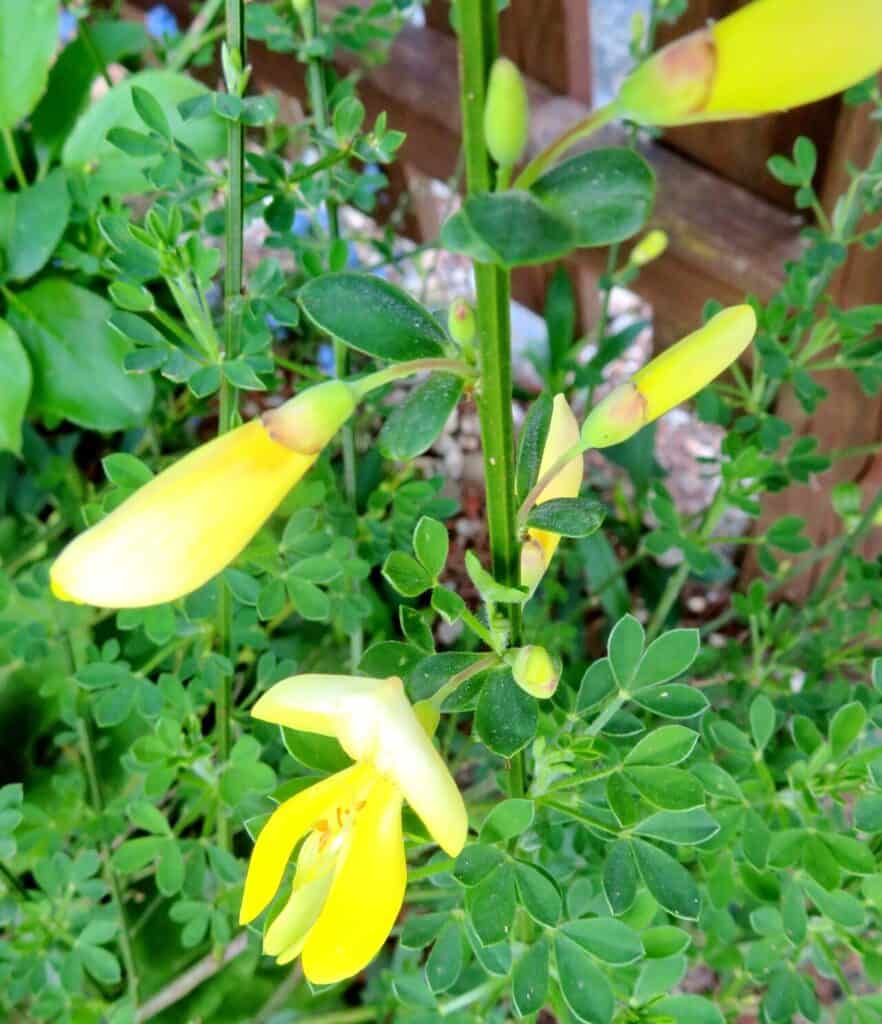
Blooming Brilliance: Propagating the Showy Cytisus Grandiflorus
The Cytisus grandiflorus, more commonly known as the Canary Broom, is a sight to behold in full bloom. This Mediterranean native erupts in a cascade of vibrant yellow flowers in spring, transforming gardens into a sunny paradise. If you’re yearning for a piece of this golden magic, you’re in luck! Propagating Cytisus grandiflorus, while not necessarily a walk in the park, is achievable with a little patience and the right know-how.
Two Roads to Propagation:
- Seed Starting: Embracing the Element of Surprise
Propagating from seed offers a budget-friendly way to welcome a flurry of these enchanting shrubs into your life. Here’s how:
- Timing is Key: Sow seeds in autumn or early spring for best results.
- Scarification Secret: Cytisus seeds boast a hard outer shell. Give them a helping hand by gently nicking or sanding the seed coat before sowing. This scarification process allows water to penetrate, boosting germination rates.
- Sowing the Seeds: Use a seed starting mix with good drainage and sow seeds about 1/4 inch deep. Keep the soil consistently moist but not waterlogged.
- Patience, Young Padawan: Germination can take anywhere from a few weeks to a few months.
- Sunlight and Fresh Air: Once seedlings emerge, provide them with ample sunlight and good air circulation to prevent damping off (a fungal disease).
Pros of Seed Propagation:
- Cost-effective
- Can yield a larger number of plants
Cons of Seed Propagation:
- Can be slower and less reliable than cuttings
- Plants may not be identical to the parent plant
- Taking Cuttings: Cloning for Consistency
If you’re looking to replicate the exact characteristics of a beloved Cytisus grandiflorus, taking cuttings is the way to go. This method involves using a portion of the parent plant to grow a new, genetically identical one.
- Timing is Everything: Take semi-hardwood cuttings in late summer after the main flowering period.
- Selecting the Perfect Cutting: Look for healthy, non-flowering stems about 4-6 inches long.
- Prepare the Cuttings: Remove the leaves from the lower half of the cutting and dip the cut end in rooting hormone to encourage root development.
- Planting in a Rooting Medium: Insert the cuttings into a pot filled with a well-draining mix of peat and perlite.
- Creating a Humid Environment: Cover the pot with a plastic bag or use a propagator to maintain high humidity.
- Rooting Success: After several weeks, gently tug on the cuttings. Resistance means roots are developing!
- Transplant Time: Once the cuttings have established a strong root system, they can be transplanted into individual pots or directly into the garden.
Pros of Cutting Propagation:
- Produces plants identical to the parent
- Generally faster than seed propagation
Cons of Cutting Propagation:
- Requires more hands-on involvement
- May have a lower success rate than seed propagation
A Final Thought on Flourishing:
Whether you choose the path of seeds or cuttings, remember that Cytisus grandiflorus thrives in full sun and well-drained soil. With a little TLC, you’ll be rewarded with a stunning display of golden blooms that will brighten up your garden and heart for years to come!