
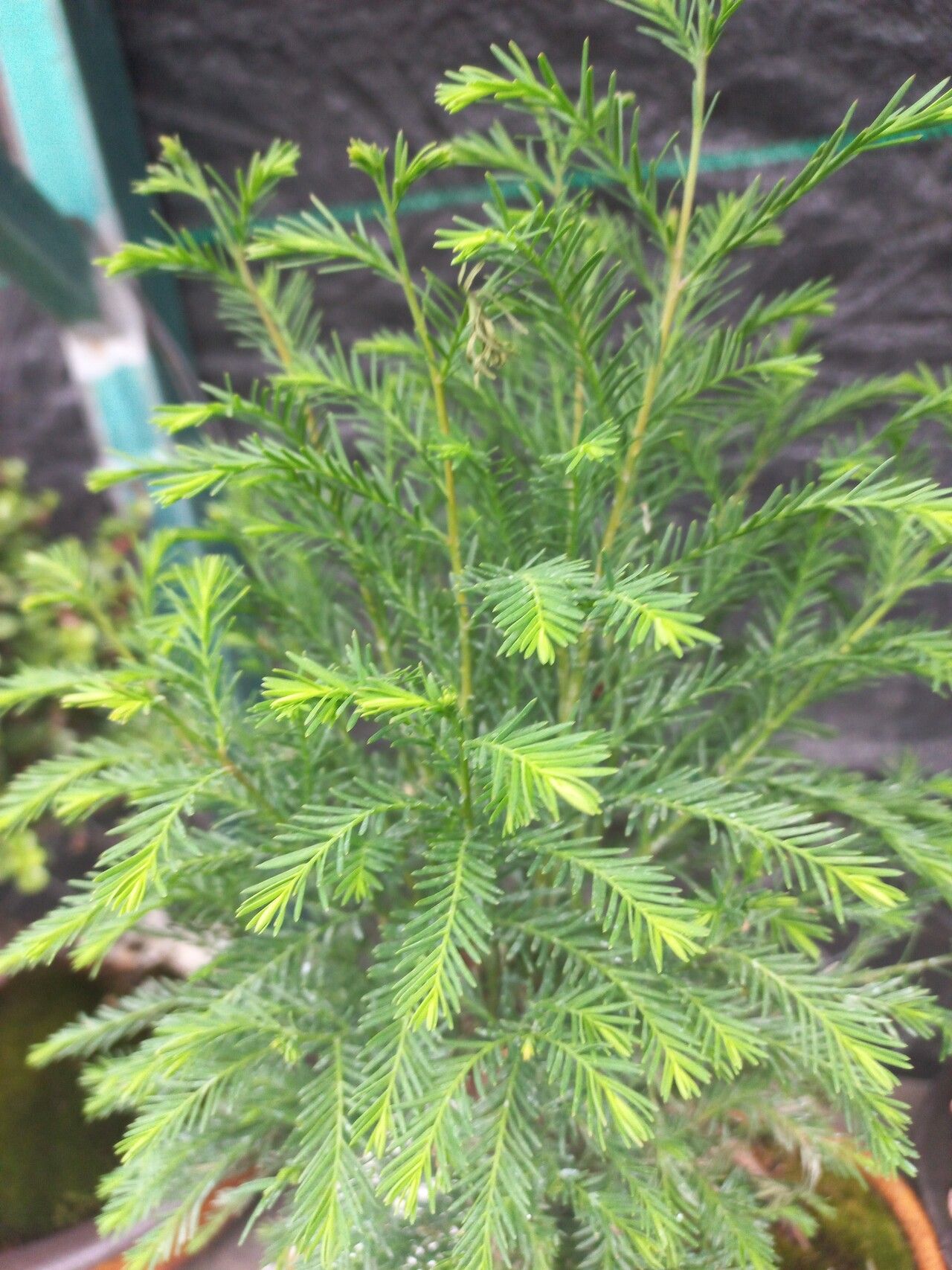
Unveiling the Secrets: Propagating the Elusive Dacrycarpus vieillardii
The Dacrycarpus vieillardii, also known as the Small-fruited Plum Pine or simply Vieillard’s Pine, is a captivating conifer with an air of mystery. Native to the rainforests of New Caledonia, this majestic tree, with its dense, dark foliage and unique, scaly bark, can reach impressive heights in its natural habitat. While cultivating this species might seem like a challenge reserved for seasoned botanists, with a little patience and the right techniques, even hobbyist gardeners can succeed in propagating Dacrycarpus vieillardii.
Two Paths to Propagation:
There are two primary methods for propagating Dacrycarpus vieillardii:
1. Seed Propagation: A Journey of Patience
Propagating from seed offers a rewarding, albeit lengthy, journey. Here’s a step-by-step guide:
- Seed Collection & Preparation: Source fresh seeds from reputable suppliers specializing in rare conifers. Soaking the seeds in lukewarm water for 24 hours before sowing can help soften the outer shell and encourage germination.
- Sowing the Seeds: Utilize a well-draining seed-starting mix. Sow seeds shallowly, about 1/4 inch deep, and mist the soil surface.
- Creating the Ideal Environment: Place the seed tray in a warm location with bright, indirect sunlight. Maintaining a consistent temperature of around 70°F is crucial for germination.
- The Waiting Game: Germination can be erratic and may take anywhere from a few months to a year. Be patient and continue providing consistent moisture and warmth.
2. Semi-Hardwood Cuttings: A Faster Route to Success
For a quicker propagation method, consider semi-hardwood cuttings:
- Timing is Key: The optimal time to take cuttings is during the late summer or early fall when the new growth has started to harden.
- Selecting the Cuttings: Choose healthy, vigorous shoots that are about 4-6 inches long.
- Preparing the Cuttings: Remove the lower leaves from the cutting, leaving a few at the top. Wound the base of the cutting slightly by scraping a small portion of bark. Dipping the wounded end into rooting hormone powder can enhance rooting success.
- Planting the Cuttings: Insert the cuttings into a well-draining rooting mix, ensuring at least one node is buried.
- Creating a Humid Environment: Cover the cuttings with a plastic bag or humidity dome to maintain moisture. Place them in a warm, bright location out of direct sunlight.
- Rooting Time: With proper care, cuttings will generally root within 6-8 weeks. Once rooted, they can be transplanted into individual pots.
Nurturing Your Dacrycarpus vieillardii:
Regardless of your chosen propagation method, providing the right growing conditions is vital:
- Light: Dacrycarpus vieillardii prefers bright, indirect light. Protect it from harsh, direct sunlight.
- Water: Maintain consistently moist but not waterlogged soil.
- Humidity: High humidity is crucial, especially for young plants. Regular misting or placing a humidity tray nearby can be beneficial.
- Fertilizer: Feed with a balanced, slow-release fertilizer during the growing season.
Propagating Dacrycarpus vieillardii might require some dedication and patience, but witnessing the emergence of a new seedling or the successful rooting of a cutting brings immense satisfaction. By following these guidelines and providing the optimal growing conditions, you can experience the joy of cultivating this remarkable and endangered conifer, contributing to its preservation for generations to come.