
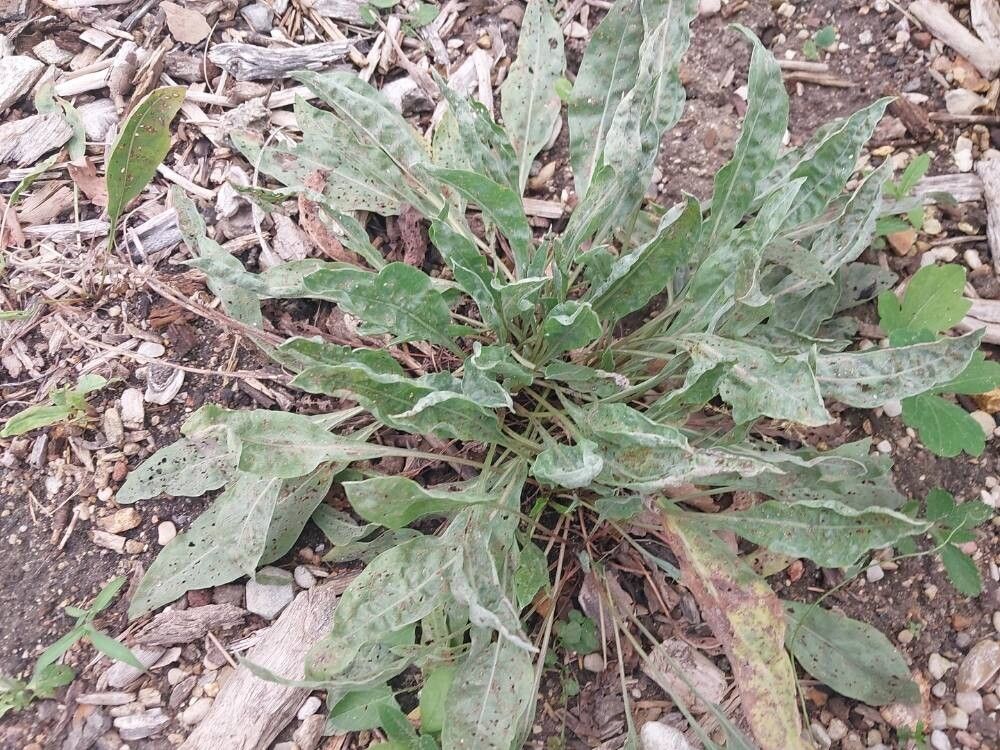
Unlocking the Secrets of Spicebush Propagation: Grow Your Own Aromatic Oasis
The Spicebush (Lindera benzoin), with its vibrant yellow flowers and intoxicatingly fragrant leaves and berries, is a North American native shrub that deserves a prominent spot in any garden. But did you know that propagating this aromatic beauty isn’t as complicated as it seems? Whether you’re looking to expand your own Spicebush patch or share its charm with friends, this guide will equip you with the knowledge to propagate Lindera benzoin successfully.
Three Paths to Propagation:
1. Seed Starting: A Journey of Patience and Reward
Propagating Spicebush from seed is a rewarding endeavor, albeit one that requires patience. Here’s a step-by-step guide:
- Harvesting: Collect ripe, red berries in early fall. Remove the fleshy pulp, as it inhibits germination.
- Cold Stratification: Mimic nature’s cycle by placing the cleaned seeds in a moist medium like vermiculite or sand, and store them in a refrigerator (around 40°F) for 90-120 days.
- Sowing: In spring, sow the stratified seeds about half an inch deep in a well-draining seed starting mix.
- Patience is Key: Germination can be erratic, taking anywhere from a few weeks to a couple of months.
- Transplanting: Once seedlings are a few inches tall and the danger of frost has passed, transplant them to larger pots or your desired outdoor location.
2. Cuttings: A Faster Route to Success
Propagating Spicebush from cuttings offers quicker results compared to seeds. Follow these steps:
- Timing is Everything: Take softwood cuttings (young, flexible stems) in late spring or early summer when the plant is actively growing.
- Making the Cut: Using sharp, sterilized shears, take 4-6 inch cuttings from healthy stems. Remove leaves from the bottom third of the cutting.
- Hormone Boost: Dip the cut end in rooting hormone to encourage root development.
- Planting: Plant the cuttings in a well-draining mix of peat moss and perlite, ensuring the bottom node is buried.
- Humidity is Key: Cover the cuttings with a plastic bag or humidity dome to create a warm, moist environment.
- Transplanting: Once roots develop (usually within 4-6 weeks), transplant the cuttings to individual pots.
3. Layering: A Natural Approach
Layering is a simple and effective method for propagating Spicebush, taking advantage of the plant’s natural ability to root from stems:
- Choosing a Branch: In spring, select a low-growing, flexible branch.
- Wounding and Burying: Wound the branch slightly using a sharp knife, then bend it down and bury the wounded portion a few inches deep in the soil. Use a rock or landscape pin to secure it.
- Patience: Leave the layered branch undisturbed for a full growing season, allowing roots to develop.
- Separation: In the following spring, check for root development. If sufficient roots are present, sever the rooted branch from the parent plant and transplant it to its desired location.
Tips for Success:
- Well-Draining Soil: Spicebush thrives in moist but well-draining soil. Avoid heavy clay soils.
- Partial Shade: Select a location that receives dappled sunlight or partial shade.
- Water Wisely: Keep the soil consistently moist, especially during the first year after planting.
By following these propagation methods and tips, you can successfully cultivate your own aromatic oasis of Spicebush, adding beauty, fragrance, and a touch of the wild to your garden.