
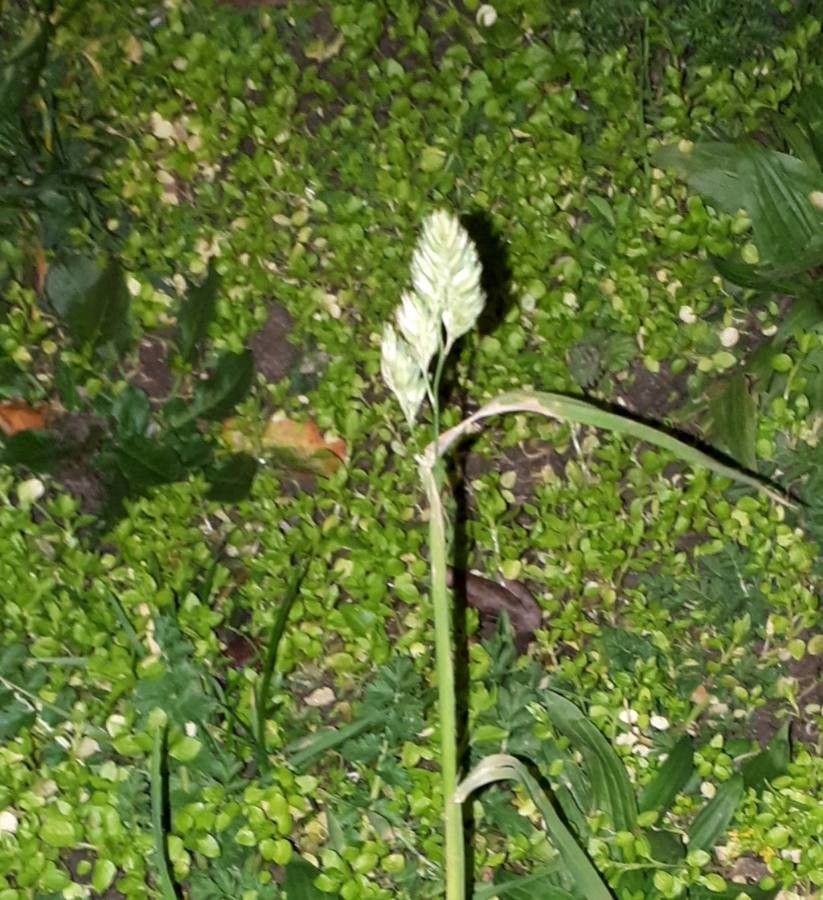
Taming the Tangles: Propagating Orchard Grass (Dactylis glomerata)
Orchard grass (Dactylis glomerata), with its charmingly chaotic seed heads and vibrant green blades, might seem like it belongs solely in wild meadows. But this adaptable grass, known for its versatility and hardiness, can be a welcome addition to gardens as a low-maintenance ground cover or as part of a meadow planting. If you’re interested in introducing this resilient beauty to your space, propagation is surprisingly simple. Let’s explore the two most effective methods:
Method 1: Seed Starting – Embracing a Bit of Wildness
For a truly hands-off approach, embrace the power of seeds! Orchard grass readily self-seeds in the wild, and you can easily replicate this at home:
- Timing is Key: Aim to sow your seeds in either early spring or late summer, providing ample time for establishment before extreme temperatures hit.
- Prepare Your Patch: Choose a spot with well-drained soil and full sun to partial shade. Loosen the top few inches of soil and remove any existing weeds.
- Scatter and Sow: Sprinkle your orchard grass seeds evenly over the prepared area. Don’t bury them – light is essential for germination.
- Water Gently: Keep the soil consistently moist but not waterlogged. A light misting twice a day should suffice.
- Be Patient: Germination typically takes 7-21 days. You’ll soon see tiny green blades emerging, ready to conquer their new home.
Method 2: Division – Sharing is Caring (and Multiplying!)
For a quicker and more controlled approach, division is your friend. This method is best done in early spring or early fall:
- Select and Divide: Choose a healthy, established clump of orchard grass. Using a sharp spade or garden fork, carefully divide the clump into smaller sections, ensuring each section has a good root system.
- Prep Your Planting Sites: Prepare new planting holes that are slightly larger than the root balls of your divisions.
- Plant and Water: Position each division in its hole at the same soil level it was previously growing. Backfill with soil, gently firming it around the roots. Water deeply to eliminate any air pockets.
Caring for Your New Orchard Grass
Orchard grass is relatively low-maintenance, making it an excellent choice for busy gardeners:
- Watering: Water regularly during the first growing season to aid establishment. Once mature, orchard grass is relatively drought-tolerant.
- Fertilizing: In most cases, fertilization isn’t necessary. However, if your soil is particularly poor, a light application of a balanced fertilizer in spring can be beneficial.
- Mowing: While not essential, occasional mowing can help maintain a tidy appearance, especially in more formal settings.
Beyond the Basics: A Few Final Tips
- Companion Planting: Orchard grass plays well with others! Consider pairing it with wildflowers like coneflowers and black-eyed Susans to create a vibrant meadow effect in your garden.
- Beneficial Habitats: This grass provides excellent cover and nesting material for various wildlife, attracting beneficial insects and birds to your backyard haven.
- Enjoy the Abundance! Whether you choose to grow it from seed or through division, orchard grass offers a wonderful way to introduce a touch of wild beauty and ecological benefit to your outdoor space.