
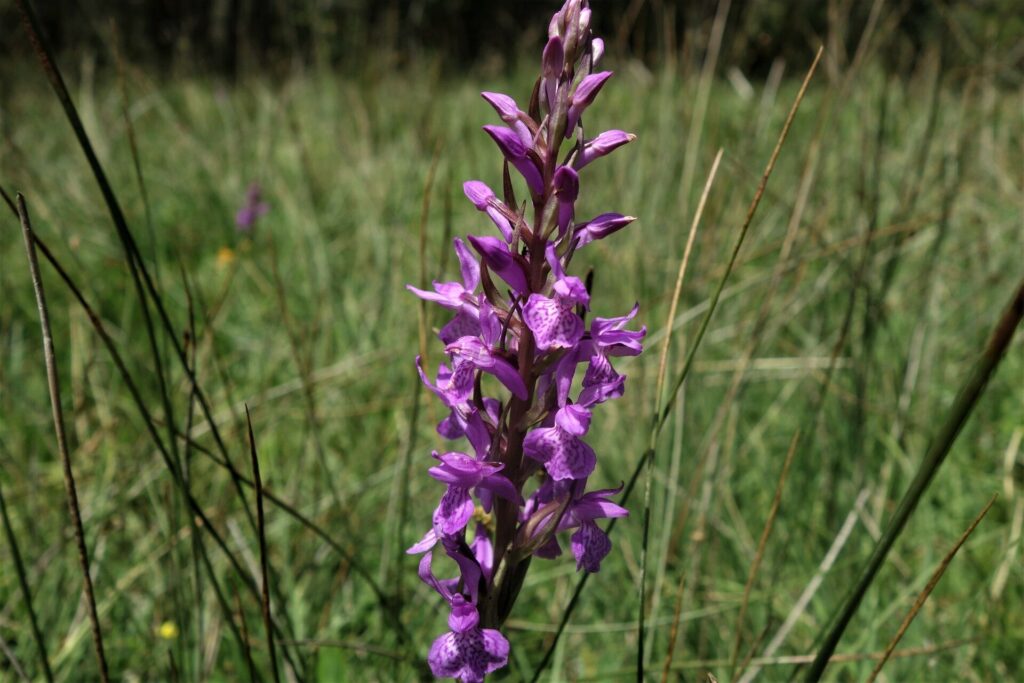
Unlocking the Secrets of Propagation: How to Multiply Your Majestic Dactylorhiza Elata
The Dactylorhiza elata, also known as the Tall-spiked orchid, mesmerizes with its statuesque presence and vibrant purple blooms. This European native, often found gracing damp meadows and marshes, can be a stunning addition to your garden. But with a reputation for being a bit finicky, propagating this orchid can feel like deciphering ancient scrolls. Fear not, for we’re about to unveil the secrets to successfully multiplying these botanical treasures.
Understanding the Challenges
Dactylorhiza elata, like many orchids, relies on a symbiotic relationship with specific mycorrhizal fungi present in the soil. These fungi provide essential nutrients for the orchid to thrive. This intricate relationship makes traditional propagation methods challenging. While seed propagation is possible, it’s a lengthy and complex process best left to experienced growers.
Division: The Key to Success
The most reliable way to propagate Dactylorhiza elata is through division. This method takes advantage of the plant’s natural tendency to produce offshoots, or “daughter” tubers, alongside the main one. Here’s a step-by-step guide:
1. Timing is Everything:
- The ideal time for division is late summer or early fall, after the flowering period but before the first frost arrives.
2. Gentle Excavation:
- Carefully dig around the plant, ensuring you don’t damage the tubers.
- Gently lift the entire clump from the ground.
3. Separation with Care:
- Brush off excess soil to expose the tubers.
- Using a sterilized, sharp knife or pruning shears, carefully separate the daughter tubers from the main plant. Ensure each division has at least one healthy bud (growing point) and some roots attached.
4. Replanting for Success:
- Choose a well-draining, slightly acidic soil mix specifically formulated for orchids.
- Plant the divisions at the same depth they were originally growing, ensuring the bud is facing upwards.
- Water gently but thoroughly.
5. Patience is a Virtue:
- It may take a year or two for the divisions to fully establish and bloom. During this period, provide regular watering and protect them from extreme weather conditions.
Tips for Successful Propagation
- Choosing Healthy Plants: Select robust, disease-free parent plants for division.
- Sterilization is Key: Sterilize your tools before and after dividing to prevent the spread of diseases.
- Replicating the Natural Environment: Provide a suitable growing environment that mimics the Dactylorhiza elata’s natural habitat – damp, slightly acidic soil with partial shade.
Propagating Dactylorhiza elata may require a touch of patience and care, but witnessing new life emerge from these botanical beauties is a truly rewarding experience. With the right knowledge and a dash of dedication, you can multiply your orchids and enjoy their majestic blooms for years to come.