
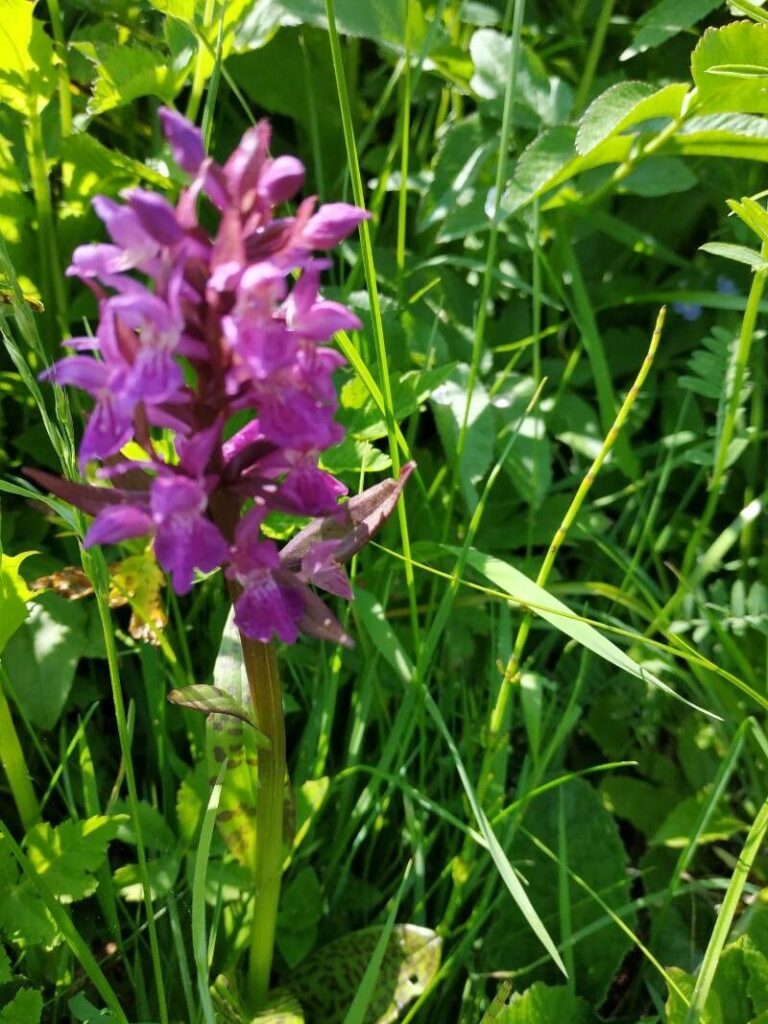
From One to Many: Unveiling the Secrets of Propagating the Early Marsh Orchid (Dactylorhiza majalis)
The Early Marsh Orchid (Dactylorhiza majalis) is a captivating wildflower, its delicate pink or purple blooms adding a touch of elegance to wetlands and meadows. While seeing these orchids in their natural habitat is a joy, many gardeners dream of bringing their beauty into their own spaces. But can you propagate them? The answer is a resounding yes, though it can be a bit of a challenge.
Understanding the Challenges:
Unlike many garden plants, Dactylorhiza majalis relies on a complex symbiotic relationship with mycorrhizal fungi for survival. These fungi essentially act as nutrient intermediaries, allowing the orchid to absorb vital nutrients from the soil. This symbiosis makes traditional propagation methods like seed sowing particularly difficult.
The Art of Propagation:
While seed propagation is possible, it requires specialist knowledge and careful technique. Here’s a breakdown:
- Mycorrhizal Partners: The most crucial element is obtaining the right mycorrhizal fungi. These fungi are often species-specific, meaning a particular fungus is best suited for a particular orchid.
- Sterile Conditions: Seeds are tiny and require sterile conditions to germinate. This means using a sterile seed-starting mix and meticulously cleaning all equipment.
- Patience is Key: Germination can take months, even years. Plus, seedlings are sensitive and require constant monitoring for fungal diseases.
The More Successful Approach: Division
For the average gardener, the most practical and successful method of propagation is division. This involves carefully separating a mature orchid plant into multiple smaller sections, each with its own root system. Here’s how to do it:
- Choose the Right Time: The best time to divide Dactylorhiza majalis is in early spring, just as new growth emerges.
- Preparation is Key: Ensure the soil is moist and ensure you have a sharp, sterile tool (like a garden knife) for clean division.
- Divide Carefully: Gently separate the plant into clumps, each containing healthy roots and shoots. Be sure each division has at least 3-4 growth points.
- Repotting: Plant each division in a well-drained, fertile pot containing a medium specifically designed for orchids.
- Aftercare: Keep the soil consistently moist, but avoid overwatering. Provide partial shade and protect the plants from extreme temperatures.
Key Considerations:
- Ethical Sourcing: Never collect Dactylorhiza majalis plants from the wild. This can severely disrupt their populations and contribute to their decline. Always purchase plants from reputable nurseries specializing in native species.
- Mimicking the Wild: When choosing a location for your propagated orchids, mimic their natural habitat. Choose a spot with moist, slightly acidic soil and good drainage.
- Long-Term Care: Dactylorhiza majalis is a hardy plant but requires attention. Ensure you follow the proper watering and fertilization practices for long-term success.
Embracing the Orchid Journey:
Propagating Dactylorhiza majalis is a rewarding but challenging experience. It requires patience, attention to detail, and a deep appreciation for the complexities of these fascinating orchids. By understanding their symbiotic relationships, employing the right techniques, and providing the appropriate conditions, you can bring the beauty of the Early Marsh Orchid into your garden, contributing to its conservation and appreciation.