
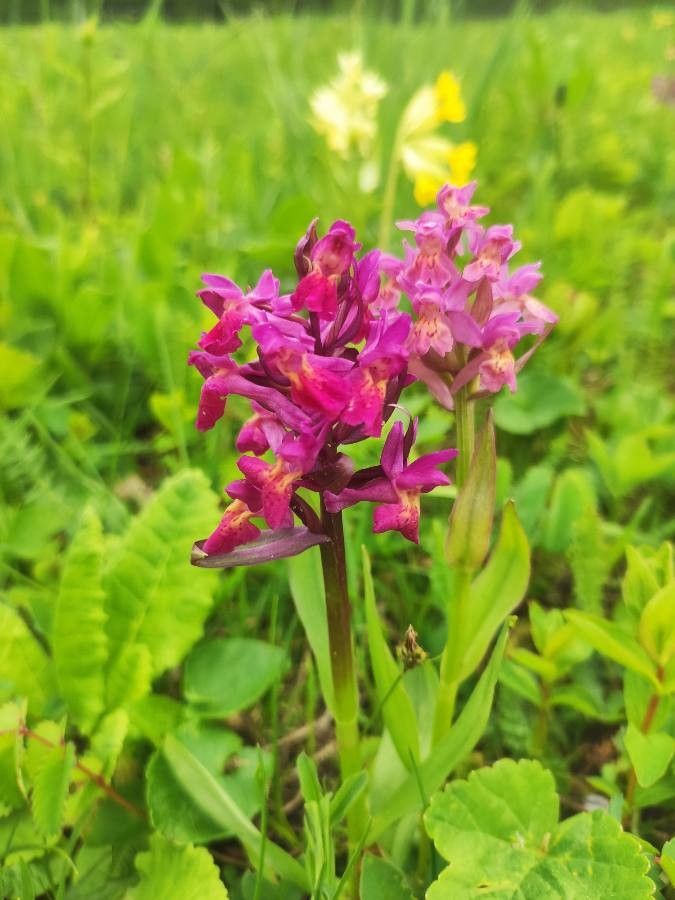
From Seed to Bloom: Unveiling the Secrets of Dactylorhiza sambucina Propagation
The delicate beauty of the Dactylorhiza sambucina, also known as the Elder-flowered Orchid, captivates nature enthusiasts with its vibrant purple blooms. However, getting these captivating orchids to flourish in your garden can seem like a challenging task. While many orchids are known for their finicky nature, Dactylorhiza sambucina offers a unique opportunity for propagation, allowing even novice gardeners to cultivate these enchanting beauties.
A Tale of Two Methods: The Seeds of Success
The most common method for propagating Dactylorhiza sambucina is through seed dispersal. These orchids, like many other members of the orchid family, rely on a complex symbiotic relationship with mycorrhizal fungi to germinate. Here’s a breakdown of the process:
- Sowing the Seeds: Seeds are extremely tiny and require specific conditions to germinate. They are best sown in a sterilized, well-draining seed compost, preferably one specifically formulated for orchids.
- The Mycorrhizal Connection: The crucial role of mycorrhizal fungi lies in providing nutrients and facilitating germination. You can either purchase sterile mycorrhizal fungi or attempt to collect it from the natural habitat. Adding a small amount of sterilized soil from where the Dactylorhiza sambucina naturally grows can introduce the necessary fungi.
- Patience is Key: Seedlings require a cool, moist environment and ample light. A greenhouse or propagator provides ideal conditions. The journey from seed to bloom can take several years, as the young orchids establish a strong root system and build up energy reserves.
The Divide and Conquer Approach: Division
For those seeking a quicker path to Dactylorhiza sambucina blooms, division offers a viable alternative. This method involves carefully separating established plants into smaller clumps, each containing healthy roots and growth points.
- Timing is Crucial: The optimal time for division is during the dormant period, usually in autumn after flowering has finished.
- Gentle Separation: Carefully divide the plant with a sharp, sterilized knife or spade. Each division should have at least three healthy growth points.
- Re-potting with Care: Plant the divisions in a well-draining compost suitable for orchids. Watering should be moderate, avoiding overwatering.
Cultivation: Nurturing Your Dactylorhiza Treasures
Regardless of the propagation method chosen, Dactylorhiza sambucina thrives in specific conditions:
- Sunlight and Shade: These orchids prefer dappled shade or partially shaded positions. Choose a spot that receives a few hours of morning sun and dappled shade in the afternoon.
- Moist, Well-Drained Soil: Dactylorhiza sambucina loves moist but well-draining soil. Avoid heavy clays and ensure excellent drainage to prevent root rot.
-
Minimal Interference: Avoid disturbing the plants too much, especially during their first year of establishment. Excess handling can damage their delicate roots.
A Note of Caution: Respecting the Wild
While it’s tempting to collect seeds or divide plants from the wild, it’s crucial to respect the delicate balance of the natural environment. Dactylorhiza sambucina is often listed as a protected species, and disturbing their natural habitat can have harmful consequences. Instead, opt for ethically sourced seeds or divisions from reputable nurseries or growers.
By understanding the intricacies of Dactylorhiza sambucina propagation and adhering to responsible cultivation practices, you can experience the joy of nurturing these magnificent orchids from seed to bloom. Their delicate beauty and enchanting fragrance will surely reward your patience and dedication.