
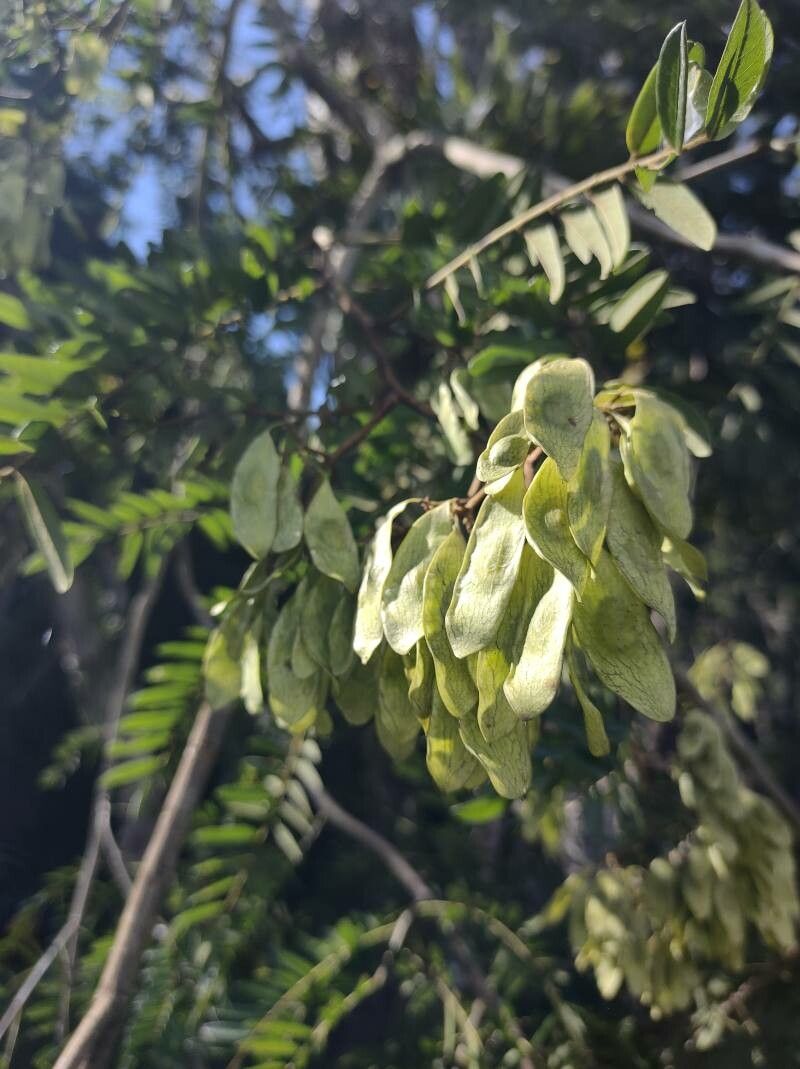
Propagating Brazilian Rosewood (Dalbergia brasiliensis): A Gardener’s Guide
Introduction:
Dalbergia brasiliensis, commonly known as Brazilian Rosewood or Jacarandá-da-baía, is a highly prized hardwood tree renowned for its beautiful, richly colored timber and unique aesthetic qualities. Its popularity among horticulturists extends beyond its commercial value; its elegant form and potential for creating stunning landscape features make it a sought-after species. However, propagating Brazilian Rosewood presents unique challenges due to its slow growth and specific environmental requirements. This article explores various propagation methods, identifying their viability and providing practical guidance for successful cultivation.
Seed Germination:
Currently, there are no known reliable methods for seed germination propagation of Dalbergia brasiliensis. While seeds may be produced, germination rates are notoriously low, and even with pre-treatment techniques, consistent success remains elusive. This is likely due to a combination of factors, including hard seed coats and dormancy mechanisms. The challenges associated with seed germination render this method impractical for most home gardeners and even many nurseries.
Cuttings:
Propagating Dalbergia brasiliensis via cuttings is also challenging but shows slightly more promise than seed germination. Hardwood cuttings taken from mature, healthy branches during the dormant season, ideally in late autumn or winter, offer the best chance of success.
Challenges: Rooting hormone application is crucial to stimulate root development. High humidity and consistent warmth (around 25°C) are necessary to maintain moisture and encourage callus formation. The process is slow, and a high percentage of cuttings may fail to root.
Practical Tips: Use a well-draining rooting medium, such as a mix of perlite and peat moss. Maintain optimal humidity using a propagator or covering with plastic sheeting. Regularly mist the cuttings to prevent desiccation.
Rewards: Successfully rooted cuttings retain the genetic characteristics of the parent plant, creating identical copies suitable for clonal propagation, especially important for desirable cultivars.
Division:
Division is not a viable method for propagating Dalbergia brasiliensis. This species develops a deep taproot system which makes dividing the plant without causing significant damage practically impossible.
Tissue Culture:
Tissue culture presents the most promising method for large-scale propagation of Dalbergia brasiliensis.
Challenges: Establishing a sterile environment and employing the specialized techniques required for tissue culture demands considerable expertise and resources. The process is complex and requires significant investment in equipment and materials.
Practical Tips: This method requires a controlled laboratory environment. Expertise in aseptic techniques, sterile media preparation, and hormone regulation is essential.
Rewards: Tissue culture allows for rapid multiplication of desirable genotypes, offering the potential for significant scale-up. It ensures disease-free propagation, an important consideration given the susceptibility of certain plants to diseases.
Conclusion:
Propagating Dalbergia brasiliensis presents significant hurdles, especially for the home gardener. Seed germination proves unreliable, while cuttings, while possessing a degree of success, remain challenging. Division is impractical. Tissue culture offers the most effective method for large-scale propagation, but its technical demands necessitate a specialized laboratory setting.
The unique satisfaction derived from successfully cultivating this magnificent tree stems directly from overcoming these challenges. The time, patience, and persistence required are rewarded with the elegance and beauty of a mature Brazilian Rosewood. If you are drawn to the allure of this species, selecting cuttings and investing in the time and effort needed for optimum rooting conditions, supplemented by consistent care, offers the most achievable pathway to success. Don’t let the challenges dissuade you; the rewards are worth the effort.