
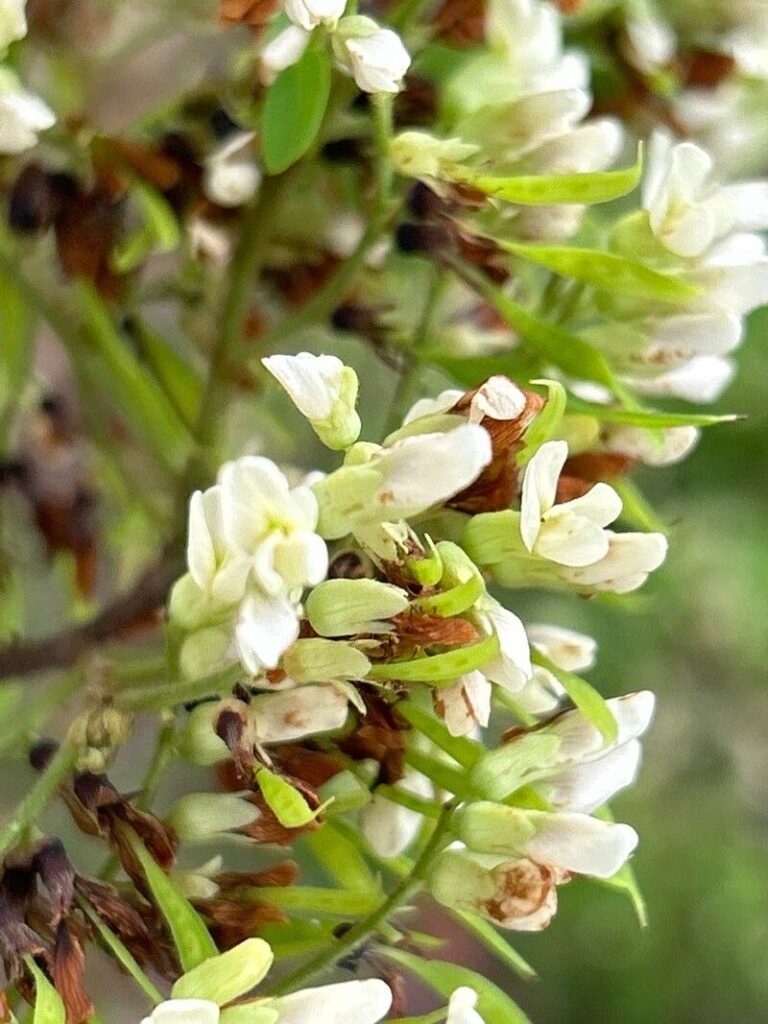
Bringing Back the Brazilian Rosewood: A Look at Propagation Techniques
The Brazilian Rosewood (Dalbergia nigra) is a majestic tree known for its exquisite, highly prized wood, used centuries ago for fine furniture, musical instruments, and intricate carvings. Sadly, overharvesting and habitat loss have pushed this species to the brink of extinction, making it a critically endangered species protected under CITES regulations.
While it’s vital to respect the legal restrictions and ensure responsible sourcing of this wood, there’s another facet worth exploring: propagation. Can we bring back the Brazilian Rosewood? Can we cultivate this magnificent tree sustainably and bring its beauty back into play?
The answer lies in the world of propagation, the art of creating new plants from existing ones. While propagation of Dalbergia nigra can be challenging and requires patience, it offers a ray of hope for the future of this species.
Here’s a breakdown of the commonly used methods:
1. Seed Propagation:
- Collecting Seeds: The first step is acquiring viable seeds. In the wild, this is highly restricted due to endangered species laws. However, some botanical gardens or established, legally permitted growers might offer seeds for research or conservation purposes.
- Scarification: Brazilian Rosewood seeds have a hard seed coat which hinders germination. This coat needs to be scarified, either mechanically (using sandpaper or a file to create small scratches) or chemically (soaking in concentrated sulfuric acid for a short period).
- Sowing: Scarified seeds are then sown in a well-drained, porous seed-starting mix. Keep the soil consistently moist but not waterlogged. Germination can take several weeks, even months, and requires warm temperatures (25-30°C).
- Challenges: Seed viability is a concern, and successful germination rates can be unpredictable. Additionally, seed-grown Dalbergia nigra trees take many years to mature, making it a long-term endeavor.
2. Cuttings:
- Hardwood Cuttings: This method uses dormant stem sections taken from mature trees. These cuttings are typically taken in late winter or early spring before new growth emerges.
- Softwood Cuttings: This involves taking semi-ripe stem sections in the summer month when new growth is still developing. This method is generally less successful than hardwood cuttings with Dalbergia nigra.
- Rooting: Cuttings should be treated with rooting hormone to encourage root development. They are then placed in a suitable rooting medium (perlite, vermiculite, or a mix of peat moss and perlite). Ideal conditions include high humidity and warmth.
- Challenges: Rooted cuttings of Dalbergia nigra are not as readily available as other species. This method requires greater experience and specialized techniques, particularly in a nursery setting.
3. Grafting:
- Scion and Rootstock: This method involves grafting a desirable scion (cutting) from a healthy Brazilian Rosewood tree onto a vigorous rootstock. Various grafting techniques like whip-and-tongue or cleft grafting can be utilized.
- Advantages: Grafting can speed up the growth and flowering of the tree, as well as conserve genetic material from mature trees.
- Challenges: Grafting requires specific skills and knowledge and is usually carried out in controlled environments.
Moving Forward with Sustainable Propagation:
The propagation of Dalbergia nigra is a complex process, requiring knowledge, patience, and unwavering respect for the species’ precarious status. It’s crucial to approach this endeavor with the understanding that conservation is paramount. Engaging in responsible cultivation practices and collaborating with research institutions and conservation organizations can contribute to the long-term survival of this magnificent tree.
By embracing sustainable propagation techniques and advocating for responsible practices, we can help bring back the beauty and splendor of the Brazilian Rosewood, ensuring its legacy for future generations.