
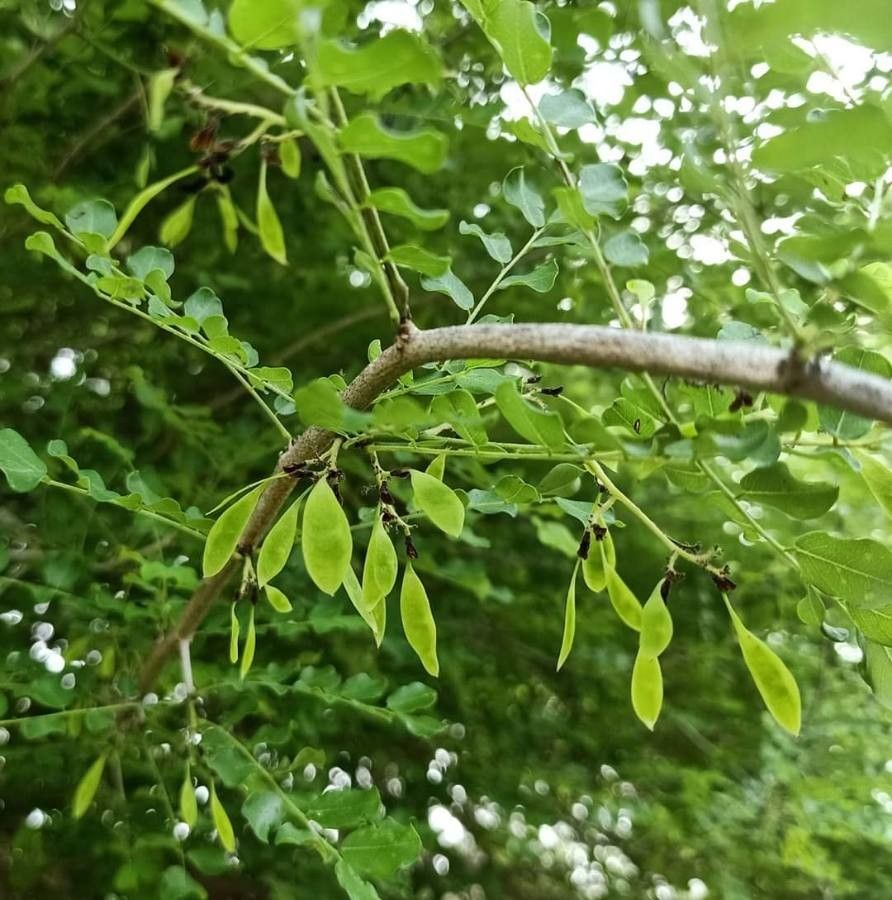
Unlocking the Secrets of Dalbergia volubilis Propagation: A Guide for Enthusiasts
Dalbergia volubilis, also known as the Indian rosewood or simply rosewood, captivates with its elegant foliage and prized timber. While commonly sourced from nurseries, propagating this beautiful species at home offers a rewarding challenge for plant enthusiasts.
This guide delves into the fascinating world of Dalbergia volubilis propagation, equipping you with the knowledge and techniques to cultivate this beautiful species yourself.
Understanding Dalbergia volubilis
Before delving into propagation, it’s essential to understand the plant’s basic needs. Dalbergia volubilis thrives in tropical and subtropical climates, enjoying warmth, humidity, and well-drained soil. Knowing its preferences provides a foundation for successful propagation.
Propagation Methods: Seeds vs. Cuttings
While both seeds and cuttings can be used to propagate Dalbergia volubilis, each method possesses its own set of advantages and challenges.
1. Seed Propagation:
- Pros: Seed propagation allows for genetic diversity, potentially yielding plants with unique characteristics.
- Cons: Dalbergia volubilis seeds have a reputation for low germination rates and can be challenging to source.
Seed Propagation Steps:
- Seed Selection & Preparation: Obtain fresh, viable seeds from a reputable supplier. Scarify the seeds by gently nicking or sanding the hard outer coat to improve water absorption.
- Sowing: Sow the seeds in a well-draining seed starting mix, barely covering them with soil.
- Conditions & Care: Provide warmth (around 75-85°F) and keep the soil consistently moist but not waterlogged. Germination can be erratic, potentially taking several weeks or even months.
- Transplanting: Once the seedlings are a few inches tall with established root systems, transplant them into individual pots with well-draining potting mix.
2. Cutting Propagation:
- Pros: Cuttings generally offer faster results and bypass the uncertainties associated with seed germination.
- Cons: This method requires access to a healthy mother plant and might have a lower success rate compared to some easier-to-propagate species.
Cutting Propagation Steps:
- Cutting Selection: During the active growing season, take semi-hardwood cuttings about 4-6 inches long from healthy, disease-free branches.
- Cutting Preparation: Remove leaves from the lower half of the cutting and wound the base slightly to expose the cambium layer.
- Rooting Hormone (Optional): While not mandatory, dipping the cut end in rooting hormone powder can significantly increase the chances of successful rooting.
- Planting: Insert the cuttings into a well-draining rooting medium, like a perlite and vermiculite mix.
- Environment & Care: Keep the cuttings in a warm, humid environment. Providing bottom heat can be beneficial. Mist regularly and ensure adequate indirect sunlight.
Patience and Persistence are Key
Propagating Dalbergia volubilis, regardless of the method, requires patience. Don’t be discouraged if your first attempts aren’t immediately successful. Meticulous care, attentive observation, and a bit of trial and error will significantly increase your chances of nurturing new life into this stunning species.
A Rewarding Endeavor
While propagating Dalbergia volubilis might demand effort, witnessing a new plant emerge from a seed or a cutting brings immense satisfaction. Your dedication helps preserve this valuable species and provides you with a living testament to your gardening prowess.