
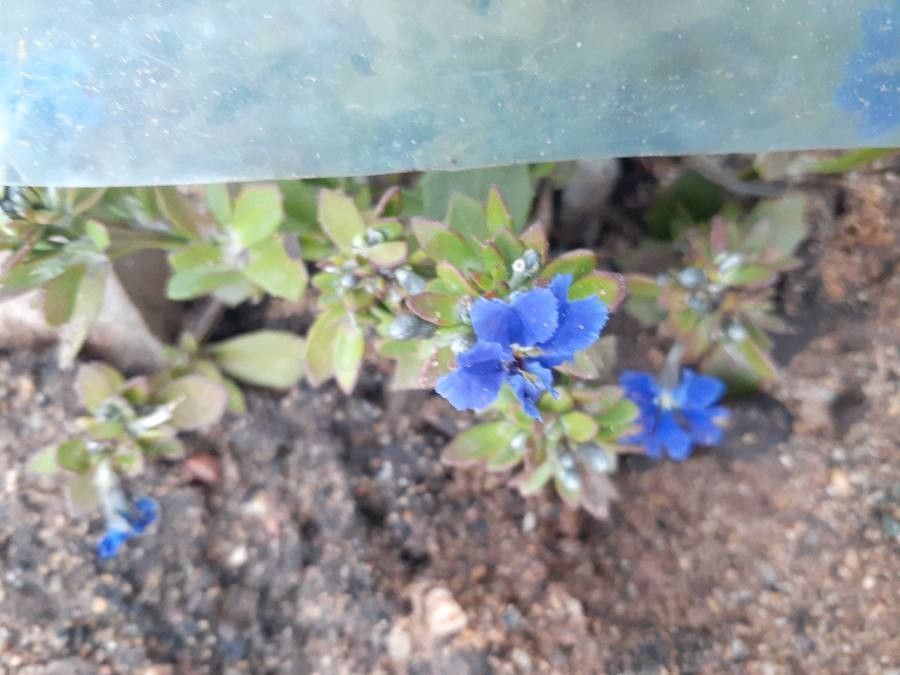
Propagating Dampiera fasciculata: A Gardener’s Guide to the Blue Dampiera
Introduction:
Dampiera fasciculata, commonly known as the Blue Dampiera, is a captivating native Australian shrub prized for its vibrant blue flowers and low-maintenance nature. Its prolific blooming and tolerance of diverse conditions have made it a popular choice among gardeners, particularly those seeking to attract native pollinators. However, propagating this desirable plant presents unique challenges, making successful cultivation all the more rewarding. This guide explores various propagation methods, highlighting their viability and offering practical advice.
Seed Germination:
Currently, there are no known reliable methods for seed germination propagation of Dampiera fasciculata. While seeds may be produced, germination rates are extremely low, and successful seedling establishment is rare in practice. Further research into seed treatment or specific germination requirements is needed before this method can be reliably used.
Cuttings:
Challenges: Dampiera fasciculata can be relatively challenging to propagate from cuttings. The success rate is often moderate, and the process requires patience and attention to detail. Factors such as the age and condition of the cutting material, environmental conditions, and the use of rooting hormones can significantly impact success.
Practical Tips: Semi-hardwood cuttings taken in late spring or early summer from non-flowering stems generally yield the best results. Cuttings should be approximately 8-10cm long, with the lower leaves removed to prevent rotting. The use of a rooting hormone is highly recommended. Plant cuttings in a well-draining potting mix, maintaining consistently moist (but not waterlogged) conditions. High humidity is beneficial, which can be achieved using a humidity dome or propagator.
Rewards: Successfully rooting cuttings provides a relatively quick method of obtaining new plants, preserving the exact genetic characteristics of the mother plant. This makes it ideal for propagating prized cultivars or specific plant characteristics.
Division:
Challenges: Dampiera fasciculata is not readily propagated by division. Its root system is not easily separated into viable portions, and attempts to divide the plant often result in damage to both the parent plant and the divisions, leading to failure.
Practical Tips: There are no reliable practical tips to ensure success with this method. Division is generally not recommended for this species.
Rewards: If successfully achieved, division offers a very rapid propagation method compared to cuttings and produces established plants with a more advanced root system. However, the limitations make this highly unreliable.
Tissue Culture:
Challenges: Tissue culture is a complex and specialized technique requiring a controlled environment and sterile conditions. Establishing aseptic protocols specific to Dampiera fasciculata would require significant research and development. While potentially effective, the high initial cost and specialized knowledge make it impractical for most home gardeners.
Practical Tips: This method is beyond the scope of the average gardener. Specialized laboratories with tissue culture expertise are required.
Rewards: Tissue culture offers a high potential propagation rate and the ability to produce large numbers of genetically identical plants in a short time. It can also be used to eliminate diseases or propagate plants from limited material.
Conclusion:
Propagating Dampiera fasciculata presents various challenges, with cuttings offering the most reliable, albeit not always easy, pathway to success. Seed germination and division are currently impractical for most gardeners. Tissue culture, while potentially highly efficient, is not feasible for at-home propagation. However, the captivating beauty of the Blue Dampiera and the satisfaction of successfully nurturing a new plant from a cutting makes the effort worthwhile. For aspiring propagators, patience, attention to detail, and the use of rooting hormone are crucial for success. Don’t be discouraged by early setbacks; the reward of a thriving Blue Dampiera is well worth the perseverance.