
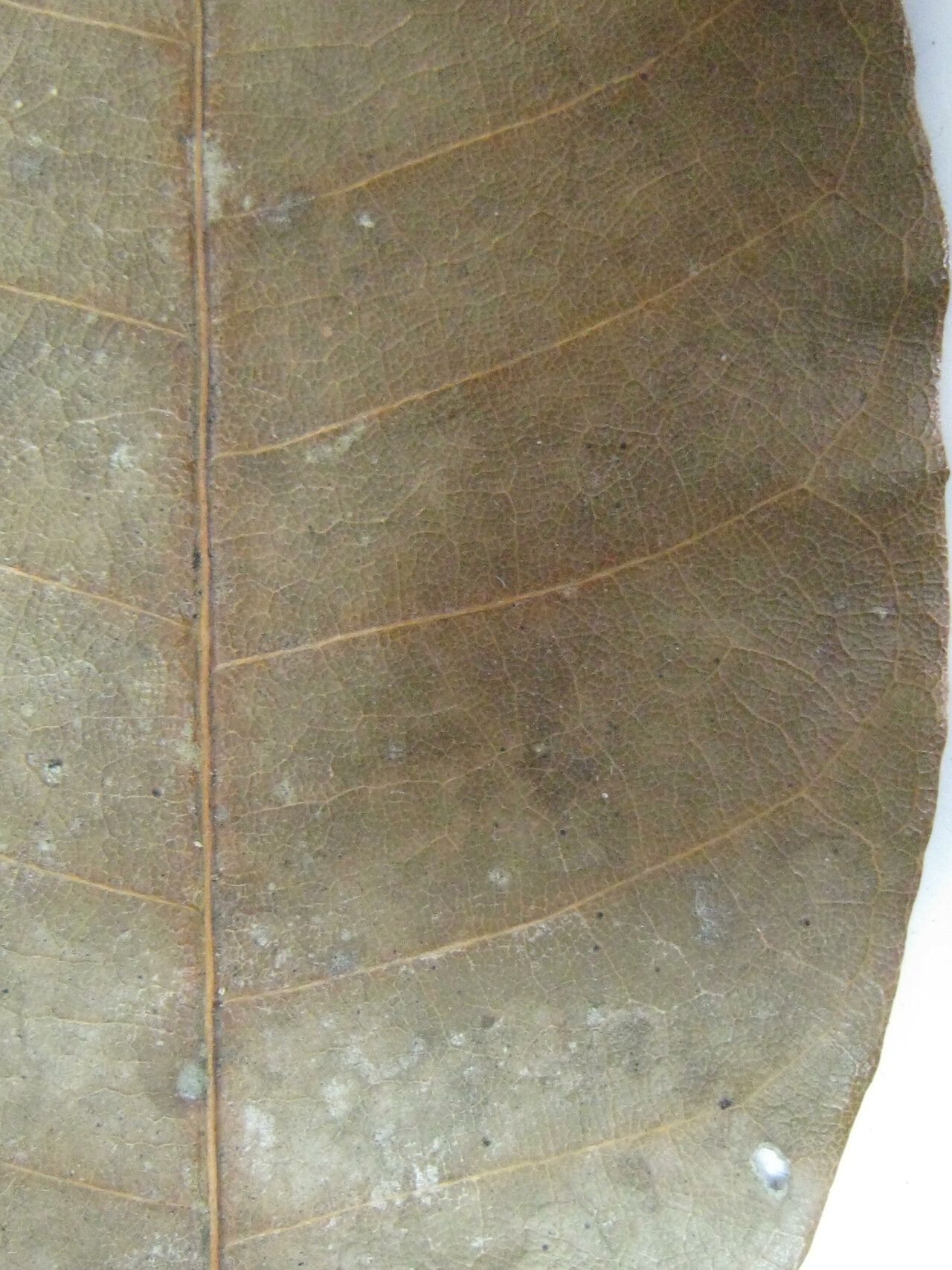
Propagating the Smooth-leaved Ilama: A Guide to Cultivating Pseudolmedia laevigata
Introduction:
Pseudolmedia laevigata, commonly known as the smooth-leaved Ilama, is a captivating tropical tree prized for its attractive foliage, interesting bark, and potential uses in landscaping and potentially even timber production. Its relatively uncommon status in cultivation, coupled with its unique aesthetic qualities, makes it an interesting challenge for plant enthusiasts. While information regarding its propagation is limited, this article explores various methods, highlighting the challenges and rewards associated with each.
Seed Germination:
Currently, there are no known reliable methods for seed germination propagation of Pseudolmedia laevigata. Further research is needed to determine if seed viability is affected by factors such as seed maturity at harvest, storage conditions, or specific pre-treatment techniques. The limited availability of seeds also presents a considerable hurdle.
Cuttings:
While seed propagation is unproven, propagation via stem cuttings offers a potential avenue for propagating Pseudolmedia laevigata.
Challenges: The success rate of stem cuttings can vary depending on factors like the age and health of the parent plant, the timing of cutting collection (ideally during the plant’s active growth phase), and the use of appropriate rooting hormones and propagation mediums. The tropical nature of the plant might require a consistently warm and humid environment for successful rooting.
Practical Tips: Hardwood or semi-hardwood cuttings taken from healthy, actively growing stems are recommended. The cuttings should be treated with a rooting hormone powder before planting in a well-draining propagating mix (e.g., perlite and peat moss). A humidity dome or propagation chamber can significantly improve the success rate by maintaining humidity levels. Bottom heat can also stimulate root development.
- Rewards: Cuttings allow for the clonal propagation of desirable plants, ensuring that offspring retain the parent plant’s specific characteristics. This is particularly valuable for preserving superior genotypes.
Division:
Division is not a feasible propagation method for Pseudolmedia laevigata due to its tree-like growth habit. It does not readily form suckers or multiple stems that can be easily separated.
Tissue Culture:
Tissue culture is a potentially viable but complex method for propagating Pseudolmedia laevigata.
Challenges: Establishing aseptic conditions and developing the appropriate nutrient media for optimal growth and shoot multiplication can be technically challenging and require specialized equipment and expertise. Determining the optimal hormone concentrations for callus induction, shoot proliferation, and rooting is crucial for success.
Practical Tips: A skilled tissue culture laboratory is necessary for this method. The protocol would likely involve establishing cultures from nodal segments or shoot tips, using a suitable growth medium supplemented with plant growth regulators (auxins and cytokinins).
- Rewards: Tissue culture provides an opportunity for rapid multiplication of superior plants, ensuring disease-free propagules and large-scale propagation when successful.
Conclusion:
Propagating Pseudolmedia laevigata presents unique challenges, primarily concerning the lack of established protocols for seed germination and the technical demands of tissue culture. However, stem cuttings offer a relatively accessible, albeit trial-and-error, approach. The rewards of successfully propagating this uncommon tree are significant: the satisfaction of cultivating a plant of considerable horticultural interest, preserving its genetic diversity, and the potential to share it with other plant enthusiasts. Aspiring propagators should approach this endeavor with patience, persistence, and a willingness to experiment. The investment of time and effort will undoubtedly be richly rewarded by the presence of this striking Ilama in your collection. Remember to consult regional horticultural experts for advice tailored to your specific climate and growing conditions.