
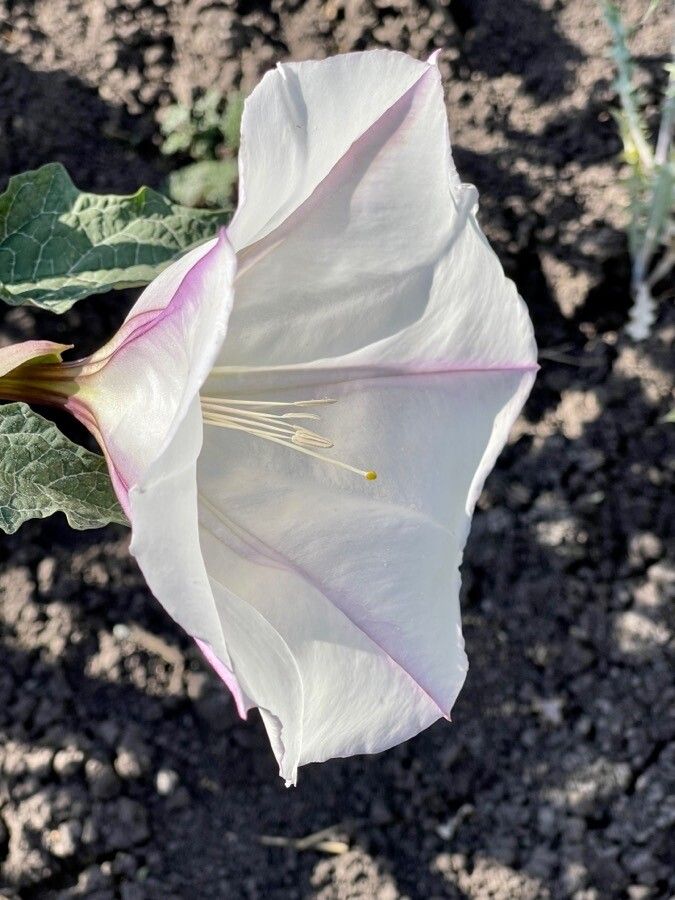
Unlocking the Secrets of Datura Ceratocaula: A Guide to Propagation
Datura ceratocaula, with its striking trumpet-shaped flowers and intoxicating fragrance, is a true eye-catcher in the garden. But did you know it’s also a relatively easy plant to propagate? This allows you to expand your collection or share the beauty of this intriguing species with fellow plant enthusiasts. Let’s dive into the methods of multiplying your Datura ceratocaula, giving you the tools to cultivate this captivating plant.
Seed Propagation: A Simple and Effective Method
The most common and accessible method for propagating Datura ceratocaula is through seeds. These plants produce an abundance of seed pods after flowering, offering a readily available source for starting new individuals.
- Collecting Seeds: Carefully harvest the ripe seed pods, which will turn brown and dry. Gently open the pods to extract the seeds.
- Sowing Seeds: You can sow the seeds directly outdoors after the last frost or start them indoors a few weeks prior, especially in cooler climates. Use a seed starting mix and choose a sunny location. Lightly press the seeds into the soil and maintain a consistent level of moisture.
- Germination: Expect germination within a few weeks, provided the seeds receive adequate warmth and consistent moisture. Once the seedlings have developed a few true leaves, they’re ready for transplanting.
Taking Cuttings: A Quick Way to Grow
While seed propagation is reliable, taking cuttings offers a faster way to obtain new plants.
- Timing is Key: The best time to take cuttings is in spring or summer when the plant is actively growing.
- Selecting Cuttings: Choose healthy stems that are non-flowering, with several nodes (the points where leaves emerge).
- Preparation and Planting: Cut the stems just below a node, using a sharp, clean blade. Remove the leaves from the bottom inch of the stem. Dip the cut end in rooting hormone to stimulate root growth. Plant the cuttings in a well-draining potting mix, ensuring the base remains moist.
- Care and Maintenance: Place the cuttings in a bright location out of direct sunlight. Maintain humidity by covering the pot with a plastic dome or bag. The rooting process usually takes a few weeks. Once you observe new growth, it’s a sign that your cuttings have successfully rooted.
Important Considerations
- Environment: Datura ceratocaula thrives in full sun and well-drained soil.
- Toxicity: The entire plant, especially the seeds, is highly toxic. Keep it out of reach of children and pets.
- Water Wisely: Regularly water your plants, especially during dry periods, but let the soil dry out slightly between waterings.
- Fertilizing: You can fertilize your Datura ceratocaula during the growing season with balanced fertilizer for optimal growth.
Final Thoughts
Propagating your own Datura ceratocaula plants is a satisfying and rewarding experience. With some time and patience, you can successfully cultivate this beautiful and unique plant. With these methods, you can expand your garden with the enchanting presence of Datura ceratocaula, sharing its charm and captivating allure with the world.